
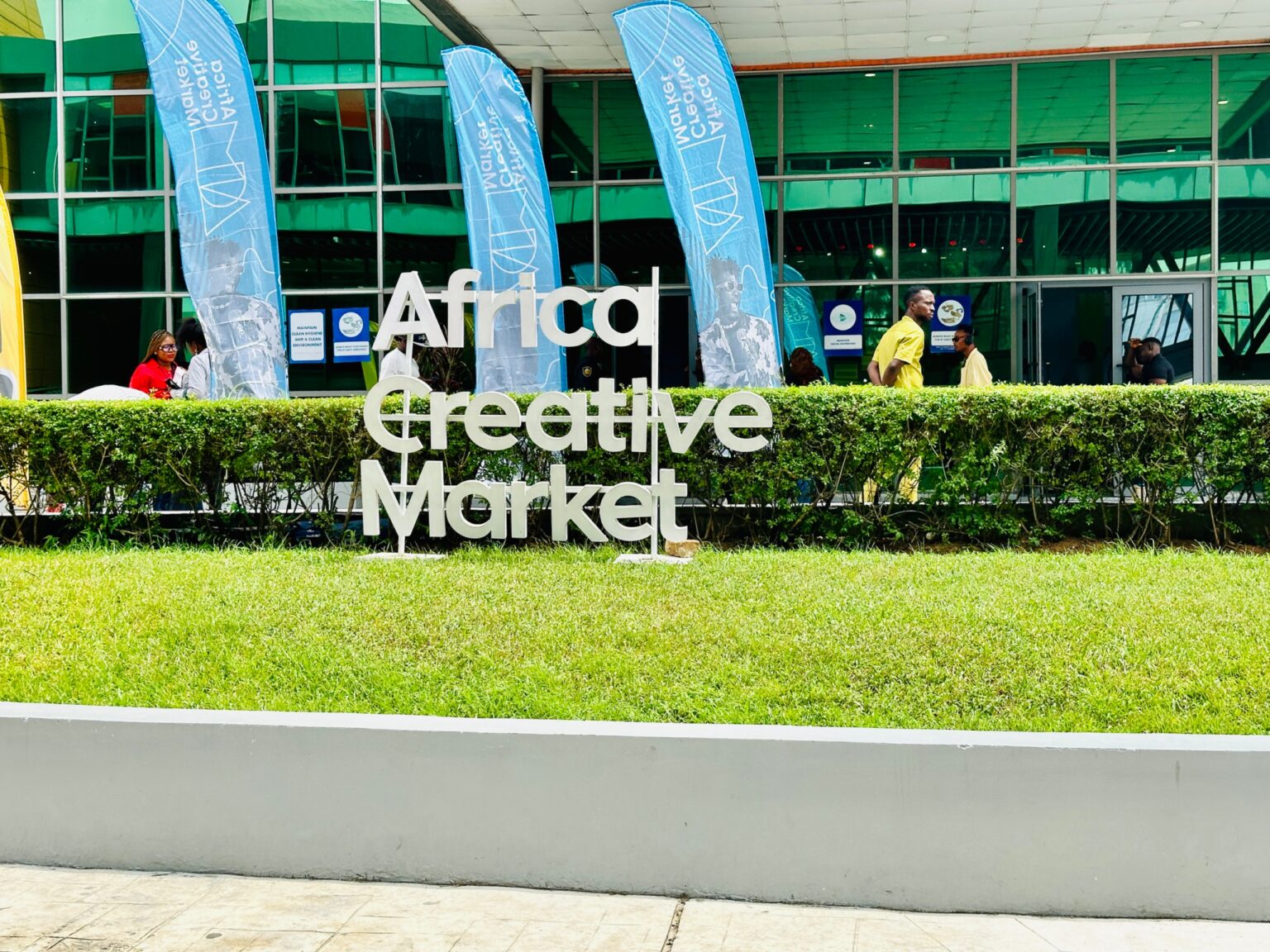
LAGOS, Nov 5 – Africa’s creative economy is taking centre stage in Lagos as the 2026 edition of Creative Africa Nexus Weekend (CANEX WKND) begins, bringing together artists, entrepreneurs, investors, financial institutions and policymakers to examine the commercial opportunities and structural constraints shaping the continent’s creative industries.
The four-day event, running from November 5 to 8 at the Wole Soyinka Centre for Culture and Creative Arts, formerly the National Theatre, is organised by the African Export-Import Bank (Afreximbank) in partnership with the Federal Government of Nigeria, the African Union Commission and the African Continental Free Trade Area (AfCFTA) Secretariat. Participants are expected from across Africa, the Caribbean and the wider diaspora.
Held under the theme, “One People, United in Culture, Creating for the World: From FESTAC ’77 to CANEX ’27,” the gathering places the development of commercially sustainable creative and cultural industries within broader discussions about Africa’s economic transformation and international competitiveness.
The sector spans music, film and television, fashion, literature and publishing, visual arts, crafts and design, gastronomy, sports and creative infrastructure. Its economic value extends beyond cultural production to include intellectual property ownership, licensing, distribution, exports and the businesses and employment opportunities generated across these value chains.
However, the scale of Africa’s cultural output has not consistently translated into equivalent commercial returns for creators and businesses. Limited access to finance, uneven intellectual property protection, fragmented distribution networks and inadequate production infrastructure continue to restrict the ability of many enterprises to expand beyond domestic markets.
These constraints affect both the scale of operations and the proportion of economic value retained by African businesses. They can also complicate investment decisions, particularly in industries where conventional financing models do not adequately account for intellectual property, irregular revenue streams and the commercial characteristics of creative enterprises.
The African Union Commission has identified access to finance, intellectual property protection, fragmented markets, infrastructure and skills development as structural challenges facing the continent’s creative and cultural industries. Addressing these constraints is central to the sector’s potential contribution to employment, income generation and small and medium-sized enterprise development.
Financing the creative economy
A central focus of CANEX WKND 2026 is how to mobilise capital for creative businesses and establish financial structures that can support their development across different stages of the value chain.
Afreximbank has committed $2 billion to supporting Africa’s creative industries between 2024 and 2027. The commitment forms part of the bank’s broader effort to expand financing and trade support for businesses operating in the sector.
The financing requirements of creative enterprises extend beyond conventional business lending. Depending on their stage of development, companies may need working capital, production financing, equipment investment, distribution funding, intellectual property financing and capital to enter new markets.
The CANEX Finance Summit and Deal Room are designed to connect creative businesses with financiers, investors and strategic partners. The Deal Room will provide entrepreneurs with opportunities to present projects, discuss financing requirements and explore partnerships that could support commercial expansion.
The emphasis on investment readiness reflects a broader challenge for the sector. Attracting institutional capital requires creative businesses to demonstrate more than artistic potential. They must also establish credible revenue models, clarify intellectual property ownership, define financing requirements and identify commercially viable routes to market.
The CANEX Creative Pitch Competition forms another part of this effort, providing entrepreneurs with a platform to present their businesses and engage with industry experts and potential investors.
Intellectual property and the value of African creativity
Intellectual property is another central component of the commercial development of Africa’s creative economy.
Music compositions, films, television productions, fashion designs, publishing rights and visual artworks can generate recurring revenue through licensing, royalties, distribution agreements and international sales. The ability to protect, manage and commercialise these assets is therefore fundamental to the economic value creators and businesses can retain.
Weak enforcement, limited awareness of intellectual property rights and difficulties navigating cross-border markets can reduce commercial returns. These challenges also affect the ability of creative enterprises to use intellectual property as an asset when negotiating investment, licensing arrangements and commercial partnerships.
The African Union Commission is using its participation at CANEX WKND to advance discussions on intellectual property, policy coordination and market access. Its programme includes a ministerial roundtable intended to identify practical measures for strengthening the policy and institutional environment supporting the sector.
The discussions will also consider the implications of artificial intelligence and digital technologies for creative production, distribution and ownership. As these technologies reshape the development and commercialisation of music, film, design and other creative products, questions surrounding authorship, rights protection and the use of digital content are becoming increasingly important.
AfCFTA and the development of a continental creative market
Access to larger markets remains another major consideration for the sector. African creative businesses operate across national markets with different regulatory frameworks, consumer bases, payment systems and intellectual property regimes. These differences can increase the cost and complexity of expanding across borders.
The AfCFTA provides a framework for improving the movement of goods and services across the continent. For creative enterprises, its implementation could support wider distribution, cross-border partnerships and access to larger consumer markets, although regulatory and operational barriers will need to be addressed.
CANEX WKND’s Exhibition and Marketplace is intended to connect creative businesses directly with buyers, distributors, investors and potential commercial partners. The programme also includes industry showcases, masterclasses and networking opportunities designed to encourage collaboration and business development.
The broader objective is to strengthen commercial relationships across the creative value chain, linking creators and producers with distributors, financiers and consumers. Such connections could help African enterprises participate in regional and international markets rather than remain concentrated within their domestic economies.
Building on previous editions and the legacy of FESTAC ’77
The Lagos gathering builds on earlier CANEX activities, including the 2024 edition in Algiers, Algeria. According to Afreximbank, CANEX WKND 2024 attracted close to 4,000 participants from 81 countries and facilitated or agreed deals valued at more than $540 million.
The 2026 programme includes the CANEX Shorts Film Competition, CANEX Music Factory Songwriting Camp, fashion showcases and awards, the Jollof Wars Competition, a Junior Chefs Competition, a mega concert and a legends football match.
The activities reflect the breadth of industries covered by the CANEX initiative, combining cultural exhibitions and performances with business engagements, investment discussions and opportunities for commercial partnerships.
The event also draws on the legacy of FESTAC ’77, the Second World Black and African Festival of Arts and Culture, held in Lagos in 1977. With Nigeria approaching the 50th anniversary of FESTAC in 2027, the theme connects the continent’s cultural history with efforts to build modern creative industries capable of competing in international markets.
CANEX WKND 2026 will also serve as a test run for the fifth Intra-African Trade Fair, scheduled to take place in Nigeria in November 2027. This links the creative economy agenda with Afreximbank’s wider efforts to expand intra-African trade and strengthen continental market integration.
From cultural influence to commercial infrastructure
Africa’s music, film, fashion, food and visual arts have established audiences across international markets. However, the long-term economic opportunity will depend increasingly on whether the businesses behind this cultural influence can access financing, protect intellectual property, expand production capacity and develop distribution systems that allow them to retain a greater share of the value generated.
For policymakers, this requires more coordinated regulatory frameworks and stronger institutions supporting creative enterprise. Financial institutions will need financing structures that reflect the commercial characteristics of creative businesses, while entrepreneurs must build companies capable of managing intellectual property, generating sustainable revenue and competing across markets.
As CANEX WKND 2026 convenes stakeholders in Lagos, the central economic question is how Africa can move beyond exporting cultural influence towards building and retaining greater commercial value from the intellectual property, enterprises and industries that produce it.
The discussions and commercial engagements scheduled over the four days will provide a platform for addressing these challenges and examining the role of finance, policy and regional integration in the development of Africa’s creative economy.
