
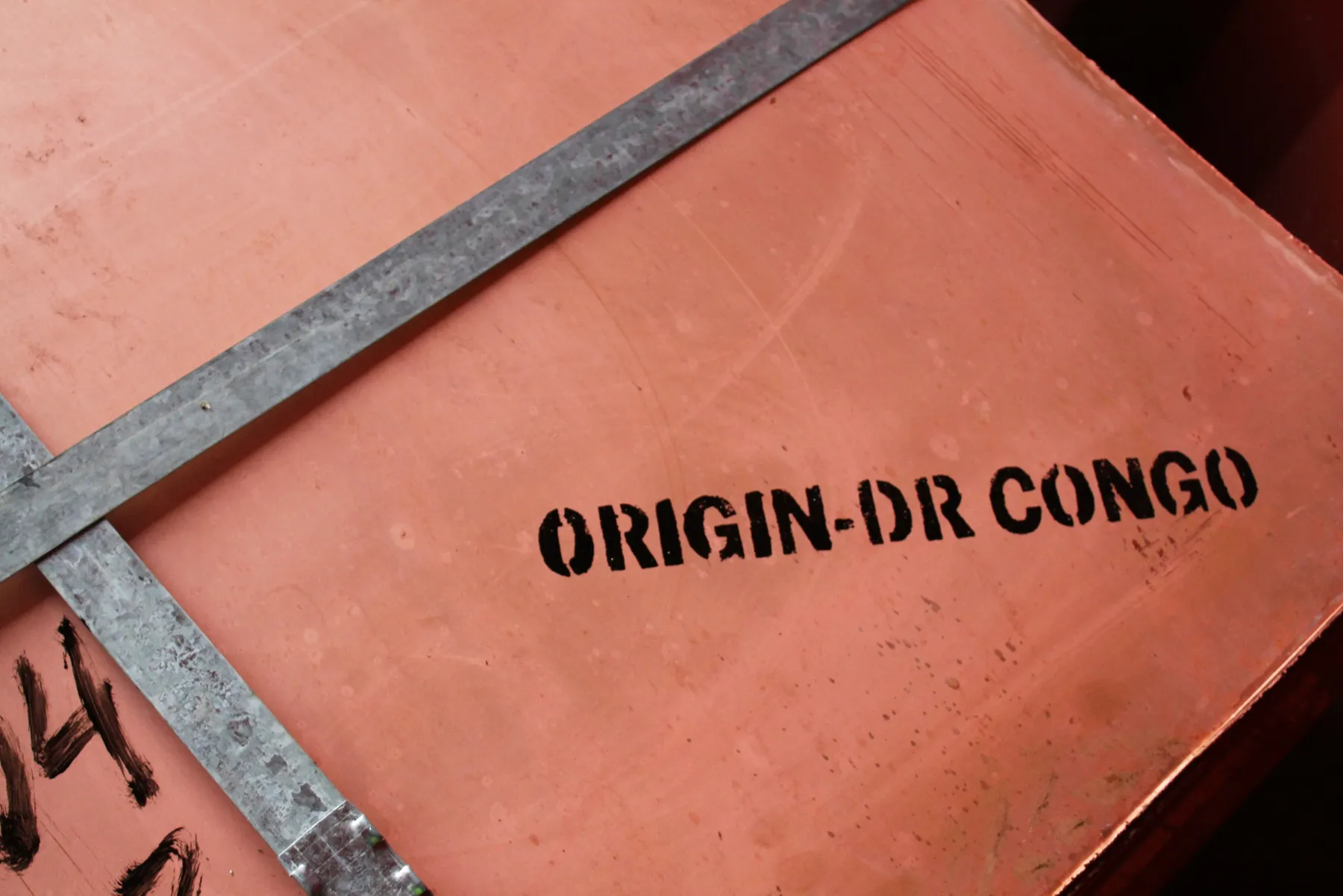
KINSHASA, Sept 7 – Copper shipments from the Democratic Republic of Congo to the United States surged to a record in July as American industrial buyers increasingly turned to the African producer for lower-cost supplies amid elevated premiums for exchange-approved metal.
U.S. imports of Congolese copper cathodes reached 53,290 metric tons in July, according to U.S. trade data. The volume represented 23.9% of total U.S. copper imports, which exceeded 220,000 tons for the first time as traders accelerated deliveries ahead of the possibility of a U.S. tariff on copper.
The July figure marks a sharp increase from 2024, when the United States imported less than 32,000 tons of copper from Congo for the entire year. The shift reflects both stronger U.S. demand for alternative sources and a substantial increase in Congo’s available production.
Congo is the world’s second-largest copper producer, and rising output has given the country more metal to direct toward international markets. The growing U.S. trade flow is particularly notable because Congolese copper does not qualify for delivery against futures contracts on the COMEX exchange.
Only two African copper brands, both produced in Zambia, are currently listed as deliverable on COMEX. Chile and Peru account for more than one-third of the exchange’s approved brands.
That distinction appears to be encouraging physical-market purchases directly from producers and traders rather than through exchange-registered supply.
Albert Mackenzie, a copper analyst at Benchmark Mineral Intelligence, said the figures indicated that Congolese material could be moving directly into the U.S. physical market.
“And if it is, it will be a lot cheaper than the COMEX-deliverable brands,” he said.
The price differential has become increasingly important for industrial consumers. Mackenzie said the premium for COMEX copper over the London Metal Exchange price reached between $400 and $600 a ton at points during the summer, creating an incentive for buyers to source copper that is not registered for exchange delivery.
“So buying non-CME registered material on an LME basis might actually have been cheaper for end-users.”
Two industry sources involved in trading Congolese copper confirmed that the material is generally priced against the LME rather than COMEX. One source said his copper is normally sold at a discount of $550 to $800 a ton, largely to account for freight costs associated with moving the material to the United States.
The quality of Congolese copper has also become less of a barrier for American consumers. One industry source said standards have improved substantially in recent years, increasing acceptance among U.S. manufacturers. Buyers now include copper rod mills and tube manufacturers, according to the source.
The development could mark a significant change in the geographic distribution of Congo’s copper exports. As shipments to the United States increased, China’s imports of Congolese copper declined 4.3% during the first seven months of 2026.
Despite the decline in absolute volumes, Congo’s share of China’s copper imports increased by five percentage points over the same period to 44.7%, underscoring the country’s continued importance to the Chinese market.
In July, China imported 95,778 tons of copper from Congo, equivalent to a 39.4% market share. That was Congo’s lowest monthly share since October 2025, although it remained China’s largest source of imported copper by a considerable margin.
For Congo, the expanding U.S. market offers another outlet for its rapidly growing copper production and reduces reliance on a single dominant destination. For American manufacturers, the availability of discounted Congolese cathodes provides an alternative at a time when exchange premiums and potential trade restrictions are reshaping the economics of global copper flows.
