
ACCRA, Nov 4 – Ghana’s annual inflation rate increased for a third consecutive month in October 2026, although the pace of the rise was slower than economists had anticipated, keeping consumer price growth within the Bank of Ghana’s target range.
Consumer inflation reached 5.5% year on year in October, compared with 5.2% in September, according to data released by the Ghana Statistical Service on Wednesday. Economists surveyed by Reuters had forecast an increase to 6.2%.
Government Statistician Alhassan Iddrisu said non-food inflation accelerated to 7.9%, making it the principal contributor to the overall increase. Non-food prices accounted for approximately three-quarters of the inflation rate during the month.
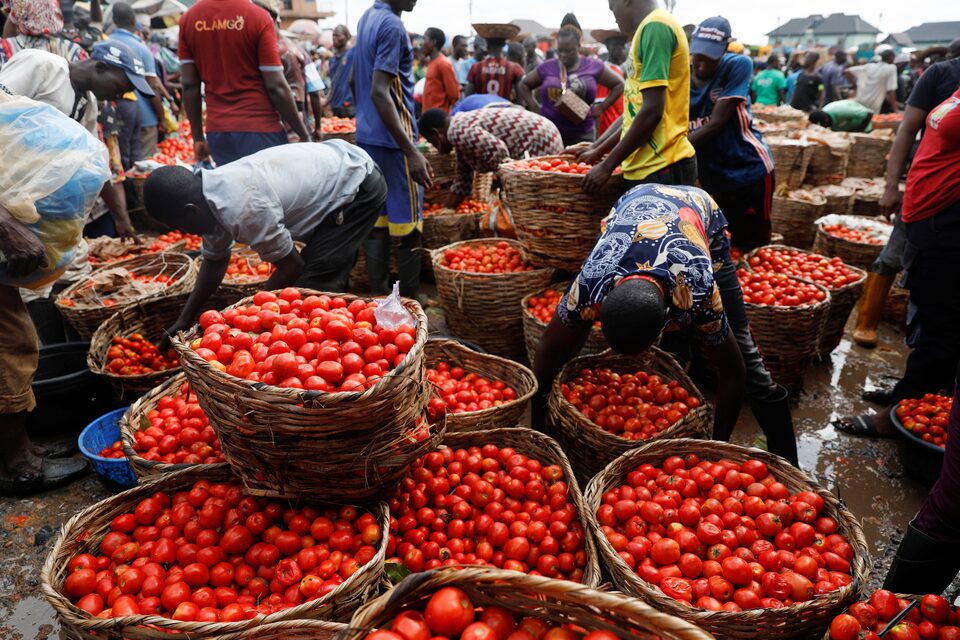
Food inflation, by contrast, eased to 2.8%, supported by lower prices for several staple food items and fruits compared with the same period a year earlier.
The latest figures indicate a gradual reversal of the disinflation trend Ghana recorded during 2025. Inflation has increased since reaching a low of 3.2% in March 2026, although the October reading remained below the central bank’s target.
The Bank of Ghana targets inflation at 8%, with a tolerance margin of two percentage points on either side, establishing an acceptable range of 6% to 10%.
The central bank maintained its main policy interest rate at 14% in September, marking the third consecutive meeting at which policymakers held borrowing costs unchanged.
October’s inflation reading provides the central bank with another indication of the price pressures facing the economy, particularly outside the food sector. While easing food inflation has helped moderate the overall rate, the acceleration in non-food prices remains an important consideration for monetary policy.
