
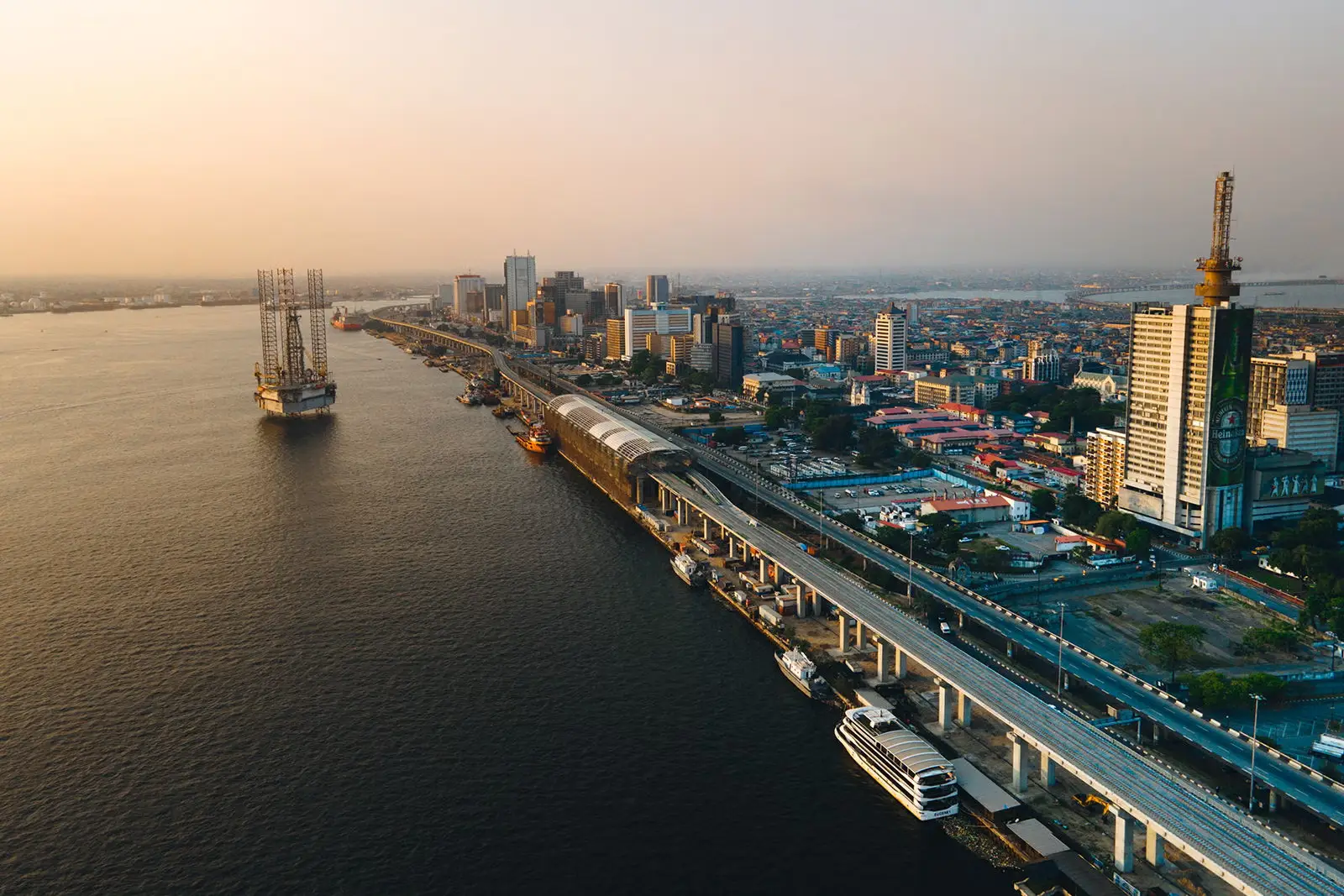
LAGOS, Nov 4 – The World Bank is calling on cities across sub-Saharan Africa to increase their use of municipal debt and attract greater private-sector investment to finance infrastructure needed to accommodate rapidly expanding urban populations.
The multilateral development institution, which has invested in urban infrastructure across the region, said cities would need to develop stronger financing capacity to fund roads, water systems, electricity networks and other essential services.
While the bank is prepared to provide policy advice and direct lending to governments and municipalities, it said the scale of the investment requirement would require significant participation from private capital.
“We are recognizing it needs to be a bigger part of our investment plans in times ahead,” said Paschal Donohoe, the World Bank’s chief knowledge officer, in an interview with Bloomberg.
Donohoe said African cities would need stronger leadership and improved revenue-raising capacity, including the ability to collect taxes, to support the issuance of their own debt.
Municipal bond markets remain relatively underdeveloped across much of sub-Saharan Africa. South Africa is among the few countries where major cities have established a record of issuing municipal bonds, with Cape Town, Durban, Pretoria and Johannesburg having accessed the market.
Johannesburg repaid a bond earlier in 2026 and has indicated plans to issue new debt.
The World Bank’s push comes as urbanisation across sub-Saharan Africa accelerates, creating mounting pressure on infrastructure and public services. The continent’s urban expansion is taking place at a pace comparable to East Asia’s urbanisation during the 1980s, when several cities in the region developed into major centres of economic activity and productivity.
World Bank calculations show that cities in sub-Saharan Africa are currently expanding at approximately 2.2% annually. This follows more than seven decades of urban growth, during which population increases in some periods reached as high as 7% per year.
By comparison, urban populations in East Asia are growing at around 0.2% annually, following an earlier period of expansion that peaked at approximately 4.6% in the 1960s before entering another phase of rapid growth two decades later.
By 2050, close to 1 billion people are expected to live in sub-Saharan African cities, bringing the region’s urban population to a level comparable to that of East Asia.
The World Bank sees the demographic shift as both an infrastructure challenge and an opportunity to expand economic activity and employment.
“Urbanization is not only good for the growth of the city, but if it’s going very, very well it can step-change the abilities of cities to contribute to job creation,” Donohoe said. “We have seen many cities in Asia become very successful centers for job creation.”
He cited Cape Town, which has a population of close to 5 million, as an example of a city managing rapid population growth while investing in infrastructure. Its population has increased by approximately 80% since 2000.
“We’ve had engagement with the cities, but the one we have with Cape Town is particularly advanced,” Donohoe said. “We can see the progress that has been made there, but we believe and know similar opportunities exist in sub-Saharan Africa.”
Cape Town has expanded infrastructure spending and used capital markets to finance specific projects. In 2017, the municipality issued a green bond to support investment in water infrastructure. The city is also expanding public transport services and has committed to purchasing electricity from dedicated generation projects.
The World Bank’s approach points to a broader financing challenge for African urban centres: translating rapid population growth into productive economic activity will depend partly on whether municipal governments can mobilise sufficient long-term capital.
Developing municipal bond markets, strengthening local revenue collection and attracting private investment could provide cities with additional financing options beyond traditional government transfers and development finance. However, the capacity to issue debt will depend on stronger municipal institutions, credible financial management and the ability to generate predictable revenue streams.