
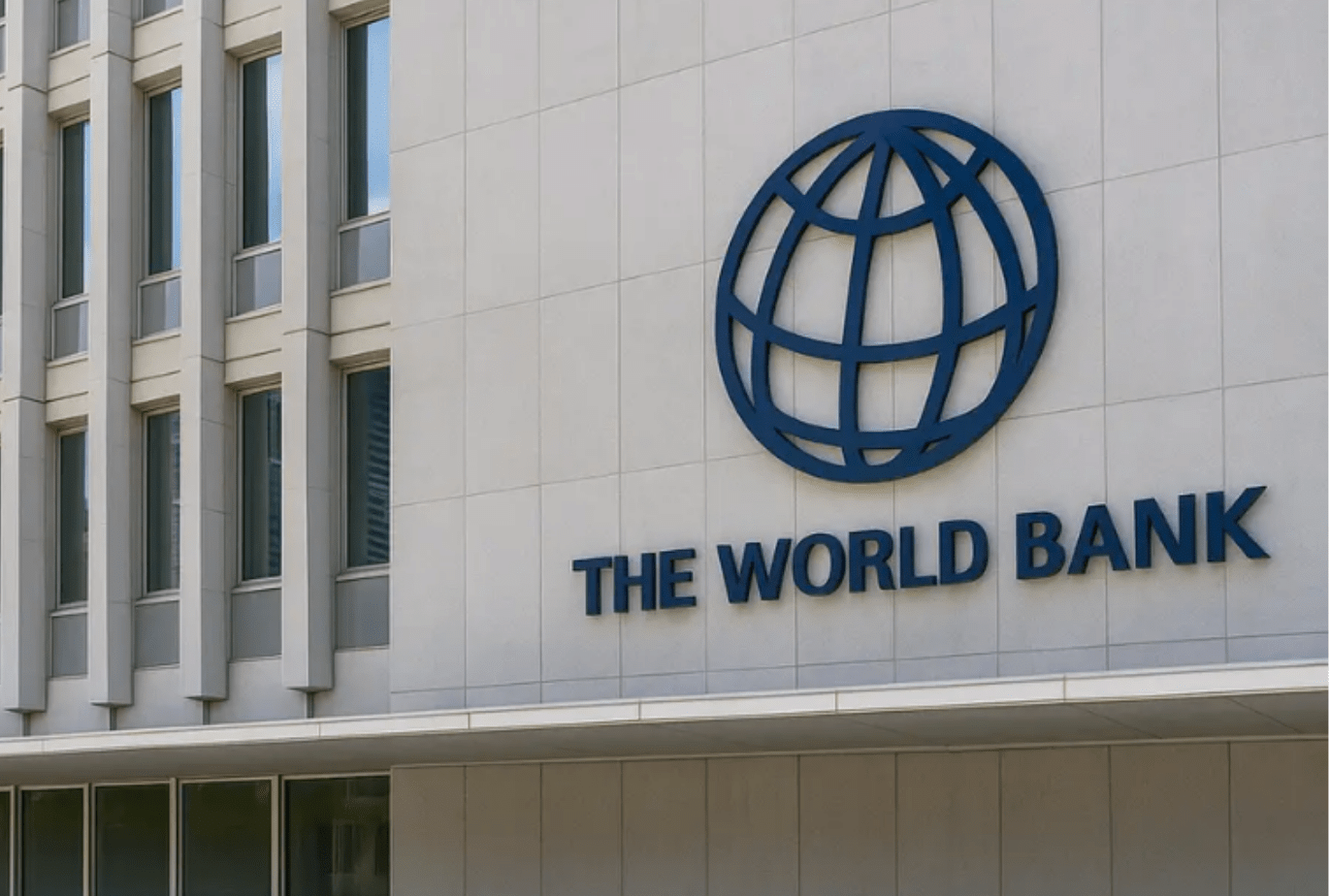
LAGOS, Nov 6 – External debt owed by developing countries increased 5.5% to a record $9.4 trillion in 2025, as governments expanded borrowing from private creditors and returned to international bond markets, according to the World Bank.
In its International Debt Report 2026, released on Thursday, November 5, the Bank warned that rising borrowing costs and growing debt-service obligations could leave governments with fewer resources for essential development investments.
The increase was the fastest since 2021 and approximately four times the average growth recorded between 2022 and 2024, highlighting the mounting financing pressures facing developing economies despite improved access to international capital markets.
Debt growth was even faster among the most vulnerable economies. External debt in countries eligible for concessional financing from the World Bank’s International Development Association (IDA) rose 8.1% to $1.3 trillion.
“The return of private lending to low- and middle-income countries is welcome, but these countries are borrowing more, paying more, and in many cases leaving less for long-term development,” said Haishan Fu, World Bank Group Chief Statistician and Director of Development Data.
Public-sector bond issuance increased nearly 35% to $251 billion in 2025, its highest level in five years. The rise reflected renewed access to international capital markets as governments sought financing from investors beyond traditional multilateral and bilateral lenders.
However, the World Bank noted that some governments used proceeds from new bond issuances to repurchase maturing debt. These transactions allowed borrowers to extend repayment timelines and spread obligations over longer periods, but did not substantially reduce their overall debt stocks.
The refinancing also frequently came at higher interest rates, increasing the cost of servicing existing obligations and adding pressure to government budgets.
Early data for 2026 suggest that demand for international bond financing has remained strong despite elevated borrowing costs. By mid-August, more than 10 developing countries had already exceeded their full-year 2025 bond issuance, while several others had returned to international markets.
The continued borrowing activity points to sustained demand for external financing, but also raises questions about the cost and sustainability of debt accumulation as governments balance refinancing needs against spending on infrastructure, healthcare, education and other development priorities.
