
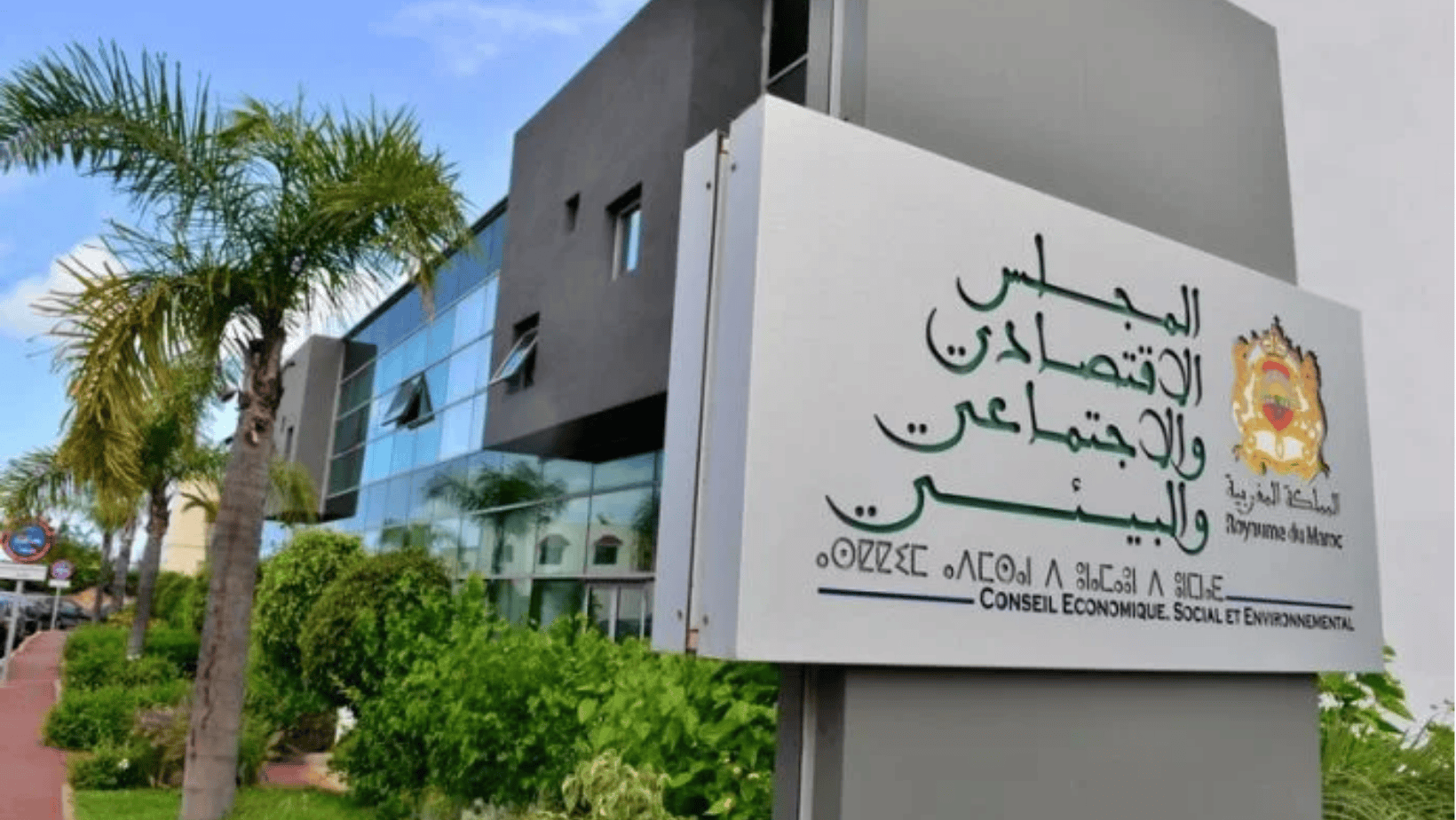
RABAT, Aug 7 – Morocco’s Economic, Social and Environmental Council (CESE) has called for major changes to the country’s fuel reserve system, saying the current setup may not provide enough protection if global energy supplies are disrupted.
In its 2025 annual report, the Council said Morocco remains vulnerable to risks from geopolitical tensions, market changes and supply chain disruptions adding also that the current system no longer reflects today’s energy challenges and needs to be updated.
The report said Morocco has depended entirely on imported refined petroleum products since the SAMIR refinery closed in 2015. This has made the country more exposed to changes in global fuel supplies and international prices.
The Council also expressed concern about the limited public information available on the country’s fuel reserves. It said reserve figures are only released from time to time, making it difficult to know whether legal storage requirements are being met.
The report added that mandatory fuel reserves are mostly held by private companies, while Morocco does not have a public strategic fuel reserve noting that much of the current legal framework has been in place since 1971 and no longer meets today’s needs.
To improve the system, the CESE recommended updating the law, combining public and private fuel reserves, improving digital monitoring, giving inspectors stronger enforcement powers and introducing tougher penalties for companies that fail to comply.
Petroleum products still make up 51% of the country’s total energy use. Fuel consumption reached about 12.8 million tonnes in 2025, with diesel accounting for nearly three-quarters of total demand. The Council expects fuel demand to grow by almost 16% by 2030.
