
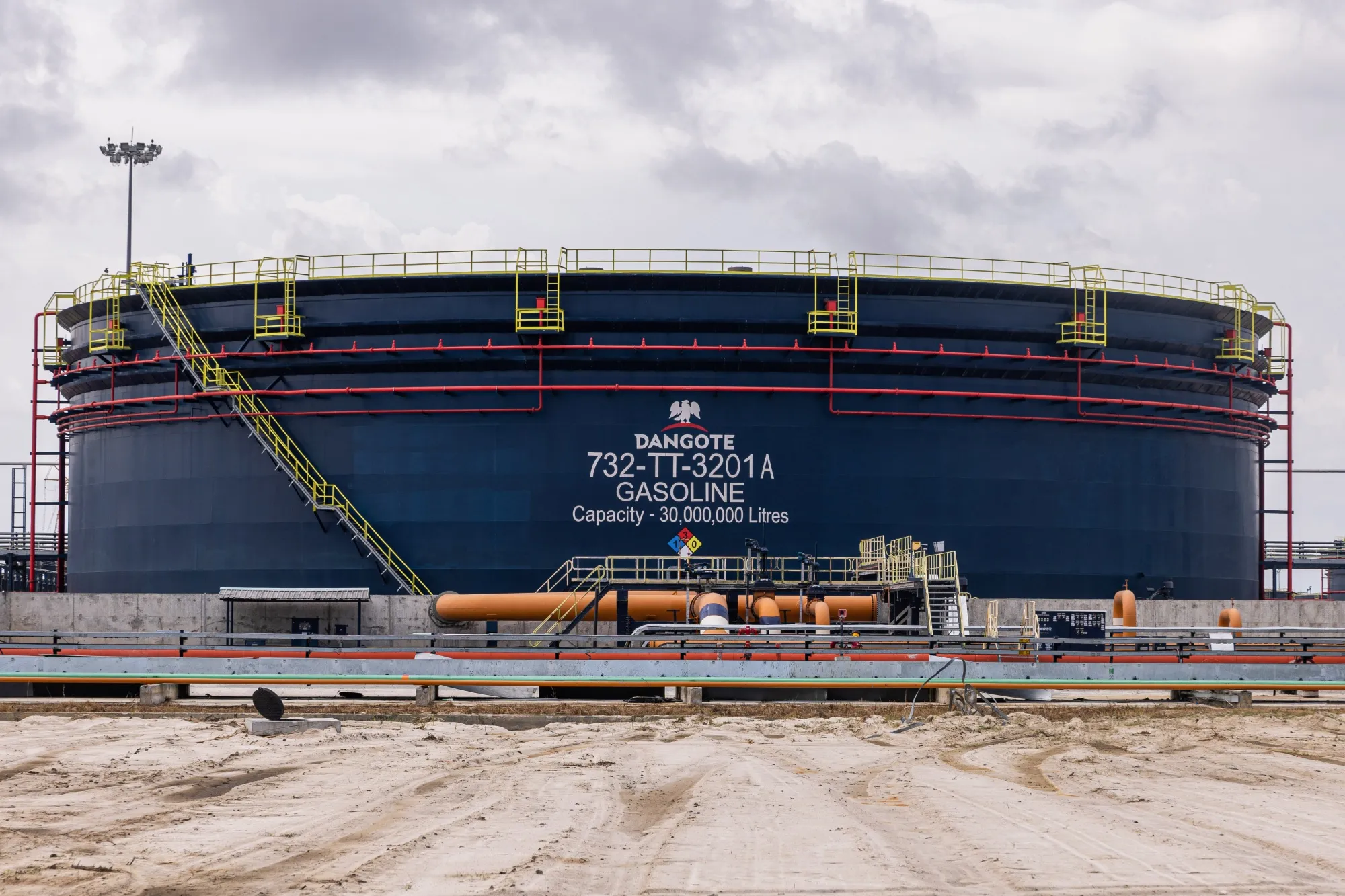
LAGOS, July 1 – Dangote Refinery has imported its first crude oil cargoes from the Abu Dhabi National Oil Company (ADNOC), marking a significant expansion of its crude sourcing strategy as global energy markets continue to adjust to shifting supply patterns.
According to traders, the 650,000-barrel-per-day refinery imported 2 million barrels of crude from the United Arab Emirates in June. The purchases included one cargo of Umm Lulu crude and another comprising either Das or Murban crude.
Neither Dangote Refinery nor ADNOC officially confirmed the transaction. The refinery declined to comment, while ADNOC did not immediately respond to Reuters’ request for comment.
The imports come at a time when global crude markets have softened following the resumption of oil shipments through the Strait of Hormuz after the recent ceasefire between the United States and Iran. At the same time, weaker demand from Asian buyers has increased the availability of Middle Eastern crude for customers in other regions.
Dangote Refinery currently receives between five and seven crude cargoes each month from the Nigerian National Petroleum Company (NNPC) Limited, benefiting from lower transportation costs associated with domestic supply. However, the refinery has previously indicated that it requires between 13 and 15 cargoes per month to operate at optimal capacity, highlighting the need to diversify its supply sources.
The refinery has also expanded its procurement beyond Nigeria in recent months. According to Kpler data, it sourced up to 65,000 barrels per day of Libyan crude in May, reflecting its strategy of securing feedstock from multiple international producers.
Since commencing operations, the Dangote Refinery has emerged as a major exporter of refined petroleum products, particularly middle distillates destined for European markets. Demand for these exports has been supported by fuel supply shortages linked to disruptions in global shipping routes through the Strait of Hormuz.
The latest purchases from ADNOC underscore the refinery’s growing integration into global crude markets as it seeks to secure reliable feedstock, optimise operations and strengthen its position as one of Africa’s largest refining and fuel export hubs.
