
African Economy Inc.
  • Home
  • Economy
  • Business
  • Markets
  • Finance
  • Credit Ratings
  • Policy
  • Tech
African Economy Inc.
  • Home
  • Economy
  • Business
  • Markets
  • Finance
  • Credit Ratings
  • Policy
  • Tech
Monday, August 17, 2026
Top News
DR Congo Ebola Outbreak Becomes Deadliest in the Country’s History
Madagascar Imports 63,000 Cubic Metres of Diesel as State Takes Control of Fuel Imports
South Africa Targets 2028 for Central Clearing Rules on OTC Derivatives
Fitch Upgrades Republic of Congo’s Local-Currency Rating to CCC+ on Lower Debt Risks
Nigeria’s Exports to China Surge 80% to $2.3 Billion in First Half of 2026
Resolute Mining and Guinea’s Nimba Mining Gold Form Joint Venture for Gold Exploration
Uganda Central Bank Holds Rate at 9.75% as Inflation Remains Contained
Nigeria Oil Production Falls 4% in July to 1.505 Million Barrels Per Day
India and SACU Launch Preferential Trade Talks to Expand Africa-India Commerce
Egypt Opens 2026 Oil and Gas Bid Round for 14 Exploration Blocks
Morocco Sets September 1 Deadline for Several 2026 Tax Payments
Standard Bank Half-Year Earnings Rise 10% to $1.62 Billion as Credit Costs Fall
Vodacom Appoints Former Airtel Africa CEO Segun Ogunsanya to Its Board
SEC Sets Time for Daily Trade Settlement Deadline for Nigeria’s Equities and Commodities Market
Central African Republic Inaugurates 50-MW Solar Plant to Expand Electricity Supply
SUBSCRIBE
African Economy Inc.
Subscribe
African Economy Inc.
  • Home
  • Economy
  • Business
  • Markets
  • Finance
  • Credit Ratings
  • Policy
  • Tech
Copyright 2026 - All Right Reserved
Home » Madagascar Imports 63,000 Cubic Metres of Diesel as State Takes Control of Fuel Imports
Energy

Madagascar Imports 63,000 Cubic Metres of Diesel as State Takes Control of Fuel Imports

by Emmanuel Ebube August 17, 2026
written by Emmanuel Ebube August 17, 2026
Madagascar
FacebookTwitterLinkedinEmail
6

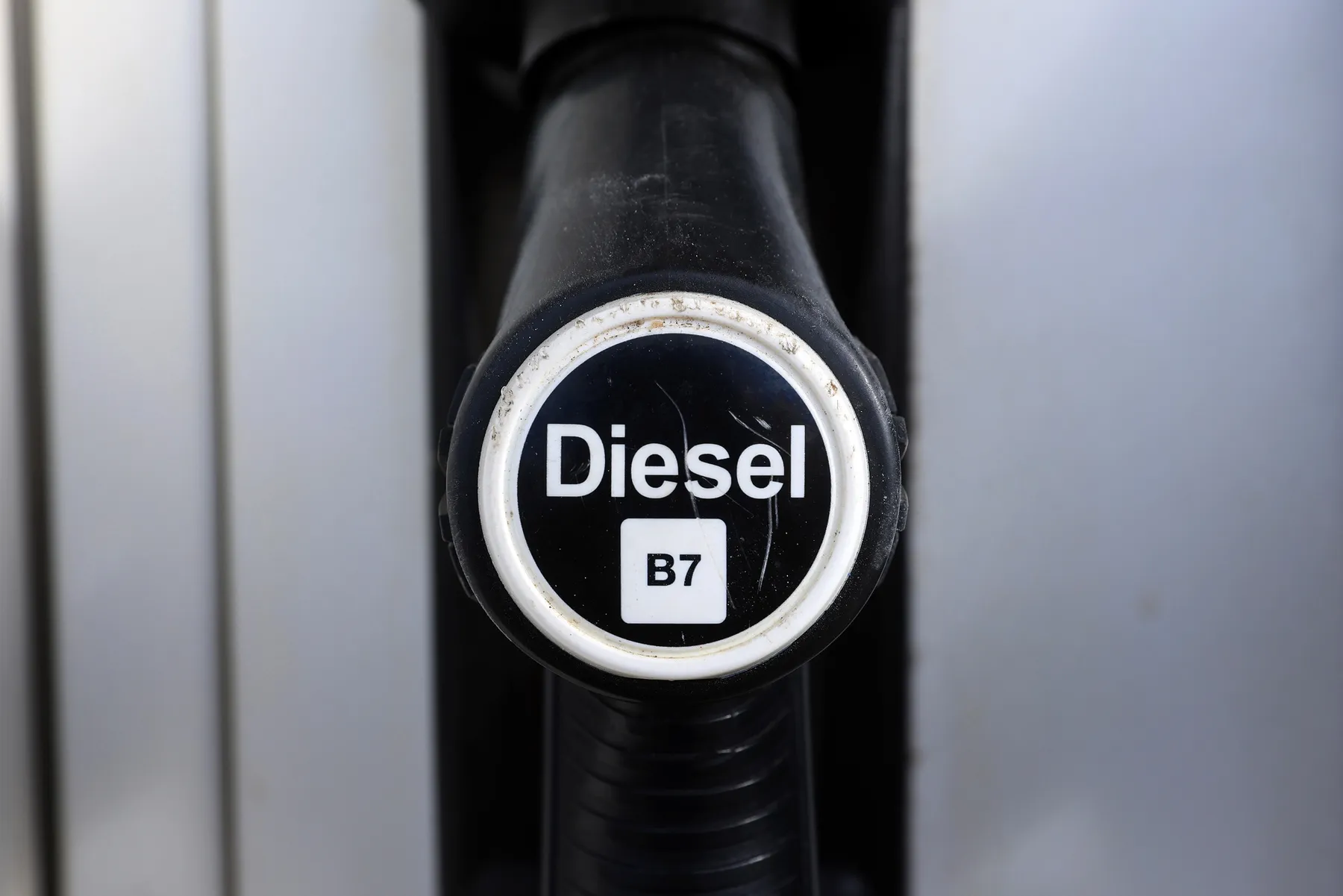
LAGOS, Aug 17 – Madagascar has imported an emergency shipment of diesel from Asia to ease fuel supply disruptions, as the government’s decision to take direct control of fuel imports creates tensions with private companies that previously managed the country’s petroleum supply.

The cargo, which arrived on August 12, contained 63,000 cubic metres of diesel and was sourced from Asia following negotiations with Nigeria-based Sahara Group, according to Guillot Ramilison, chief executive of State Procurement of Madagascar, the government entity responsible for overseeing fuel imports.

“We were facing an emergency, so the company negotiated with the vessel that was closest and could be quickly rerouted to Madagascar,” Ramilison told Reuters by phone.

The shipment is intended to stabilise supplies to the country’s electricity and water utility, Jirama, which has been affected by fuel shortages. President Michael Randrianirina said the additional diesel should allow Jirama to avoid fuel supply problems for about six months.

You Might Be Interested In
  • South Africa Proposes Mandatory Fuel Reserves to Strengthen Energy Security

The emergency procurement follows a period of severe disruption in Madagascar’s energy market. The government declared a nationwide state of emergency in April amid fuel shortages linked to the conflict in the Middle East, highlighting the country’s vulnerability to disruptions in international energy supply chains.

Madagascar has since moved to fundamentally change how petroleum products are imported. The National Assembly approved legislation reforming the downstream petroleum sector and transferring responsibility for fuel imports from private operators to the state.

The change has created friction with companies that previously played a central role in supplying the market. Private operators, including units of TotalEnergies and commodities trader Vitol, have objected to the government’s intervention in fuel logistics.

The companies said authorities requisitioned an oil-storage facility at the port of Toamasina, preventing them from unloading a separate tanker carrying diesel, unleaded petrol and kerosene that they had arranged.

The dispute highlights the operational challenges created by Madagascar’s shift towards a state-led fuel procurement model at a time when the country is already dealing with shortages and elevated energy-security concerns.

For the government, the immediate priority is restoring reliable fuel supplies and ensuring that critical public utilities can continue operating. The emergency diesel shipment provides temporary relief, but the broader restructuring of the petroleum sector could have longer-term implications for private investment, fuel distribution and competition in Madagascar’s energy market.

The government’s ability to maintain adequate supplies under the new system will depend on its capacity to secure cargoes quickly, manage storage and distribution infrastructure, and maintain sufficient access to international fuel markets.

Read Next

  • South Africa’s Private Sector Returns to Growth as Inflation Pressures Ease

    July 6, 2026
  • Ghana’s Mahama Calls for Faster Debt Reforms and Stronger Investment Partnership

    June 3, 2026
  • Nigeria Plans Transition to Market-Driven Domestic Gas Pricing Within Two Years

    August 4, 2026
  • Africa’s Power Generation Expanded in 2025, but the Structural Gaps Persisted

    February 5, 2026
  • Burkina Faso-France Diplomatic Break: What It Means for Investors and Country Risk

    June 29, 2026

Newsletter

Subscribe to our newsletter for trusted insights on Africa’s economies, markets, and business.

African Economy Inc. Logo

About Us

We are a business and economic intelligence platform delivering in-depth reporting, analysis, and insights on markets, companies and economic developments across Africa.

Our Company

  • AEI Intelligence
  • About
  • Editorial Standard
  • Partnerships
  • Advertise With Us
  • Careers
  • Ownership

News

  • Economy
  • Business
  • Markets
  • Finance
  • Credit Ratings
  • Policy
  • Tech

Useful Links

  • Privacy Policy
  • Terms of Use
  • Closed Captioning Policy
  • Accessibility Statement
  • Personal Information
  • Data Tracking
  • Register New Account

Subscribe Newsletter

Subscribe to our newsletter for trusted insights on Africa’s economies, markets, and business.

©2026 Majons Media Inc. All Rights Reserved.

Facebook Twitter Instagram Linkedin
African Economy Inc.
  • Economy
  • Business
  • Markets
  • Banking & Finance
  • Energy
  • Tech
  • Policy