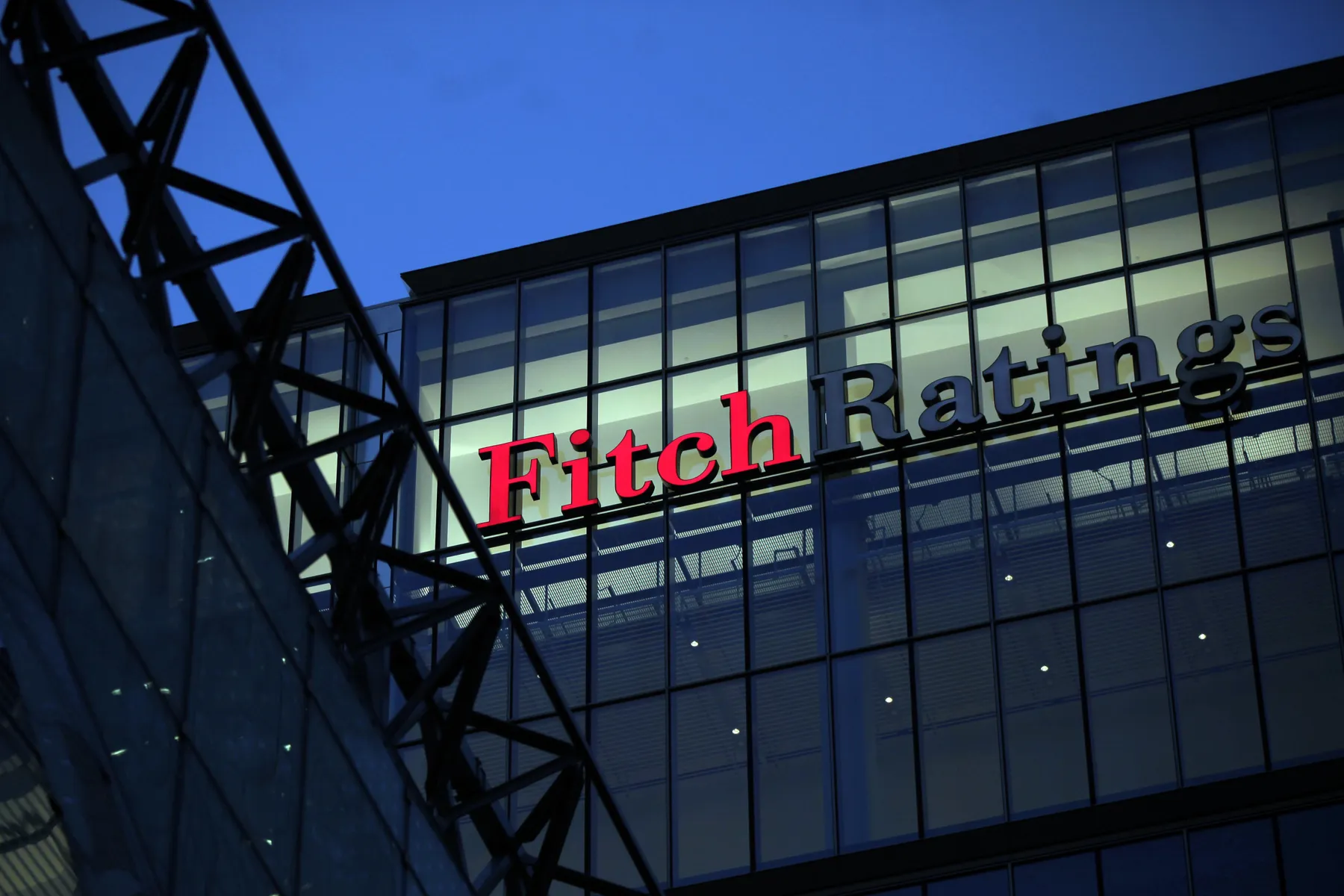
RABAT, Sept 18 – Global ratings agency Fitch Ratings has affirmed Morocco’s Long-Term Issuer Default Rating at BB+ with a Stable Outlook, citing sound macroeconomic policies, adequate external liquidity buffers, strong support from official creditors and a relatively favorable government debt profile.
The rating agency expects Morocco’s central government fiscal deficit to widen to 4.0% of GDP in 2026, from 3.5% in 2025, as the government faces additional spending pressures linked to the crisis around the Strait of Hormuz.
Higher energy prices have contributed to increased government support costs, including larger compensation payments for butane gas, continued assistance for transport operators and higher transfers to the national electricity and water company.
Fitch expects the fiscal position to improve as these temporary pressures ease. It projects the budget deficit to average 3.4% of GDP in 2027 and 2028, assuming energy prices normalise.
Public investment is expected to remain elevated, averaging 7.5% of GDP over the period. The spending is partly associated with preparations for the 2030 FIFA World Cup, with a substantial share of investment expected to be undertaken by state-owned enterprises and other entities outside the central government budget.
Despite elevated investment spending, Fitch expects central government debt to remain broadly stable at around 67% of GDP by 2028. That would remain significantly above the projected 51% median for countries in the BB rating category.
The agency said Morocco’s debt structure provides some protection against refinancing and currency-related risks. The country’s debt stock has a relatively long maturity, while fixed-rate instruments account for a large share of borrowing. Morocco also retains access to concessional external financing.
External liquidity remains another supporting factor for the sovereign rating. Morocco’s foreign exchange reserves reached approximately $48 billion at the end of 2025, according to Fitch.
The rating agency expects reserves to remain equivalent to an average of 5.1 months of current external payments between 2026 and 2028, providing a buffer against external financing pressures.
Fitch’s affirmation therefore leaves Morocco’s sovereign rating unchanged at BB+, while highlighting the balance between continued public investment and temporary fiscal pressures on one side, and the country’s established macroeconomic framework, external liquidity and access to official financing on the other.