
African Economy Inc.
  • Home
  • Economy
  • Business
  • Markets
  • Finance
  • Credit Ratings
  • Policy
  • Tech
African Economy Inc.
  • Home
  • Economy
  • Business
  • Markets
  • Finance
  • Credit Ratings
  • Policy
  • Tech
Top News
Tharisa Secures 25-Year Mining Lease for Zimbabwe Platinum Project
MTN Gets Nigerian Approval for IHS Deal With 30% Sell-Down Condition
Senegal Parliament Launches Probe Into €1 Billion Total-Return-Swap Financing Deals
Gold Fields Half-Year Profit Rises 81% as Gold Output and Prices Increase
Nigeria Petroleum Exports Surge Sevenfold as Dangote Refinery Drives Fuel Shipments
Brazilian Companies Near Angola Farmland Deal Covering Up to 800,000 Hectares
MTN Approves $375 Million Share Buyback as Half-Year Profit Rises 21.3%
Botswana Grants Orano Three Uranium Licences as Country Seeks to Diversify Beyond Diamonds
Zambia Bond Yields Fall After Elections as Investors Back Political Continuity
Tanzania Commissions 2,115MW Hydropower Plant to Boost Electricity Supply
NICA Calls for N2 Trillion Capital Injection Into Nigeria’s National Credit Guarantee Company
MTN Group Half-Year Profit Rises 21.3% as Service Revenue Reaches $7.21 billion
Niger Grants Somaïr Uranium Mining Permit to State-Owned Tsumco After Orano Takeover
Ethiopia’s Official Creditors Back Preliminary $1 Billion Eurobond Restructuring Deal
Morocco’s Growing Economic Leverage Strengthens Its Position in Spain’s Trade and Supply Chains
SUBSCRIBE
African Economy Inc.
Subscribe
African Economy Inc.
  • Home
  • Economy
  • Business
  • Markets
  • Finance
  • Credit Ratings
  • Policy
  • Tech
Copyright 2026 - All Right Reserved
Home » South African Rand Falls as Rising Oil Prices Spark Inflation Concerns
Markets

South African Rand Falls as Rising Oil Prices Spark Inflation Concerns

by Emmanuel Ebube March 13, 2026
written by Emmanuel Ebube March 13, 2026
FacebookTwitterLinkedinEmail
168

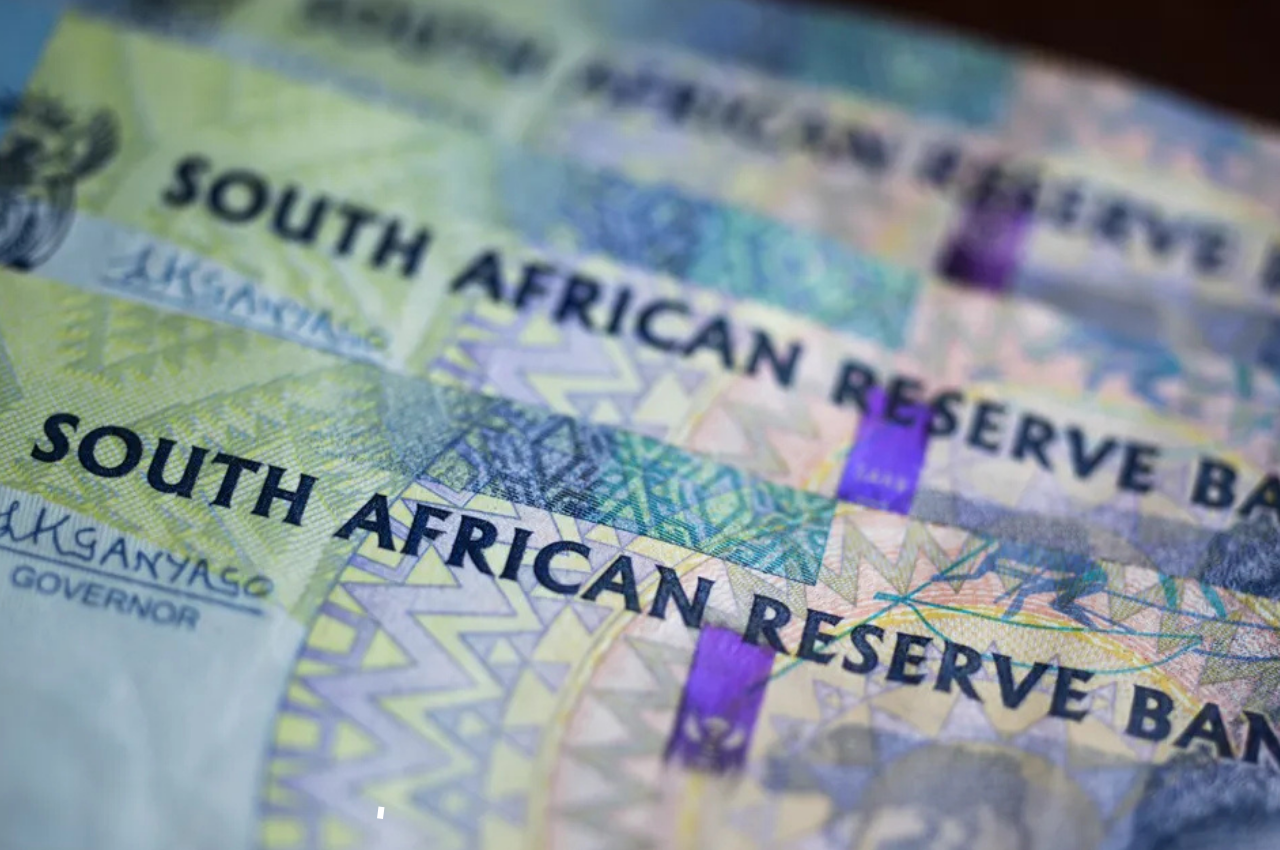
JOHANNESBURG, Mar 13 – The South African rand weakened on Friday and is heading for its second consecutive week of losses as rising global oil prices heighten inflation concerns and pressure emerging market currencies.

By 08:05 GMT, the rand was trading at 16.94 per dollar, about 0.9% weaker than its previous close.

The currency has been under pressure since the conflict involving the United States, Israel and Iran escalated nearly two weeks ago, disrupting global energy markets. The rand declined more than 3% last week and is on track to fall by around 2% again this week.

Rising energy costs present a challenge for South Africa, which relies heavily on imported fuel. Higher oil prices could increase import bills and intensify inflationary pressures.

You Might Be Interested In
  • Nigeria’s SEC to Integrate Data, AI & Tech in Investment Decisions & Framework

Market concerns intensified after Mojtaba Khamenei signaled that Tehran intends to keep the strategic Strait of Hormuz closed as leverage against the United States and Israel.

The move has heightened fears over global energy supply disruptions. Benchmark oil prices climbed above $100 per barrel despite efforts by Washington to ease supply pressures by issuing a 30 day license allowing countries to purchase Russian oil and petroleum products stranded at sea.

Analysts at ETM Analytics warned that sustained high oil prices could have broader implications for South Africa’s external balances.

According to the firm, higher energy import costs may narrow the country’s trade surplus and place renewed pressure on its current account if elevated oil prices persist.

The currency showed little reaction to recent data showing that South Africa posted its first current account surplus in more than two years during the final quarter of 2025, supported largely by stronger precious metal prices.

Market strategists say that as long as geopolitical tensions continue to drive volatility in oil markets, emerging market currencies such as the rand are likely to underperform developed market counterparts, particularly the United States dollar.

On equity markets, the benchmark FTSE/JSE Top 40 Index fell about 1.2% in early trading on the Johannesburg Stock Exchange.

Meanwhile, South Africa’s benchmark 2035 government bond weakened, with yields rising by 11 basis points to 8.825%, reflecting increased risk sentiment among investors.

Read Next

  • South Africa’s Private Sector Returns to Growth as Inflation Pressures Ease

    July 6, 2026
  • Mastercard Thinks Blockchain Needs a Middleman

    March 12, 2026
  • World Bank Sees Global Gas Price Swings Continuing Through 2027

    June 17, 2026
  • South Africa Ramps Up Coal Exports to Israel After Colombia Ban

    December 16, 2025
  • How Africa Powers the Global Green Economy but Misses the Profits

    March 16, 2026

Newsletter

Subscribe to our newsletter for trusted insights on Africa’s economies, markets, and business.

African Economy Inc. Logo

About Us

We are a business and economic intelligence platform delivering in-depth reporting, analysis, and insights on markets, companies and economic developments across Africa.

Our Company

  • AEI Intelligence
  • About
  • Editorial Standard
  • Partnerships
  • Advertise With Us
  • Careers
  • Ownership

News

  • Economy
  • Business
  • Markets
  • Finance
  • Credit Ratings
  • Policy
  • Tech

Useful Links

  • Privacy Policy
  • Terms of Use
  • Closed Captioning Policy
  • Accessibility Statement
  • Personal Information
  • Data Tracking
  • Register New Account

Subscribe Newsletter

Subscribe to our newsletter for trusted insights on Africa’s economies, markets, and business.

©2026 Majons Media Inc. All Rights Reserved.

Facebook Twitter Instagram Linkedin
African Economy Inc.
  • Economy
  • Business
  • Markets
  • Banking & Finance
  • Energy
  • Tech
  • Policy