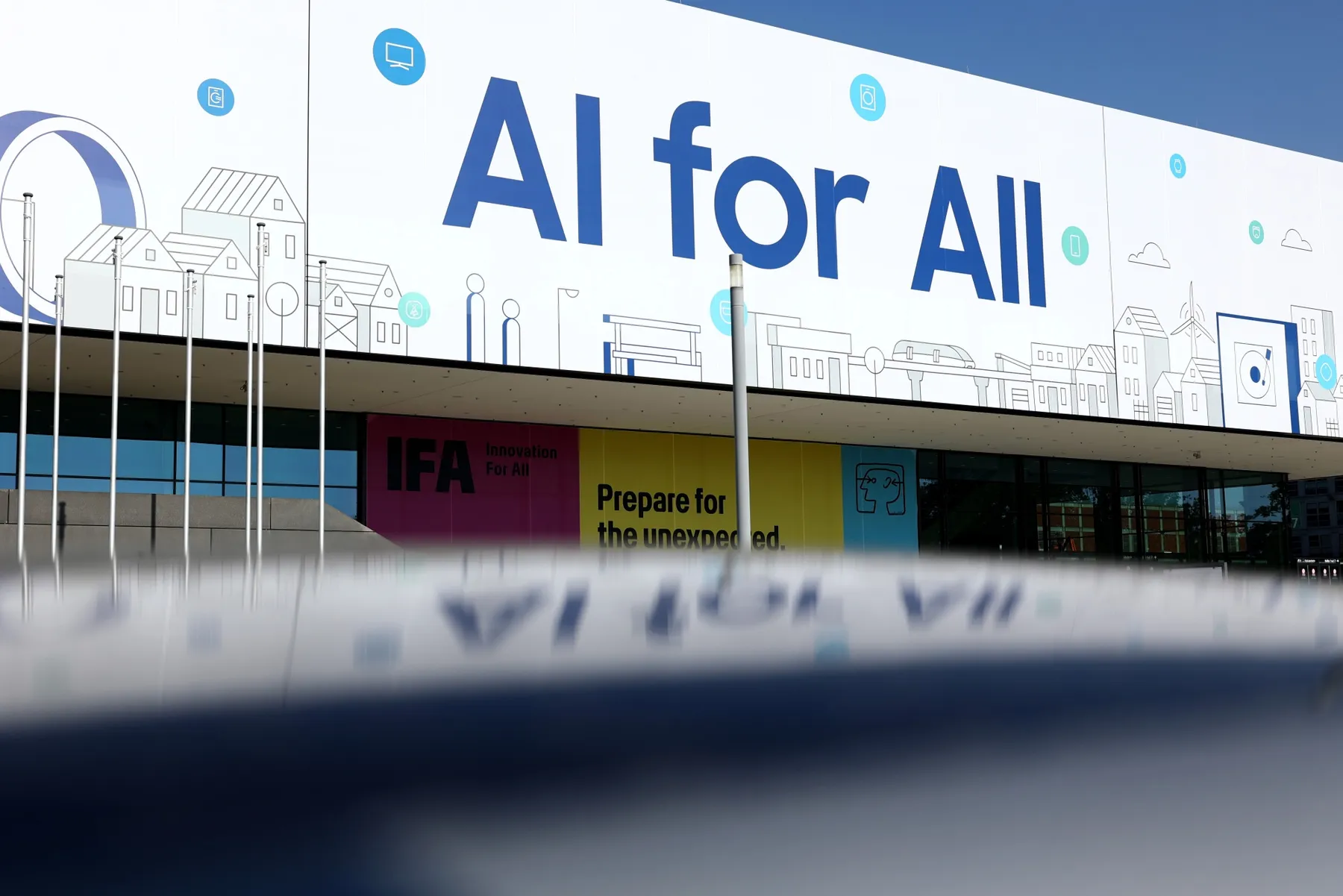
KINSHASA, July 13 – Africa’s vast reserves of critical minerals are yet to translate into the economic gains being generated by the global artificial intelligence investment boom, exposing a widening gap between resource ownership and value creation.
The International Monetary Fund’s (IMF) July 2026 World Economic Outlook update showed that the world’s leading net exporters of AI hardware recorded an average seasonally adjusted growth surprise of 4.4 percentage points above forecasts during the first quarter of 2026. By comparison, the rest of the world collectively recorded a negative 0.3 percentage point growth surprise, underscoring the increasingly uneven benefits of the global technology investment cycle.
The IMF attributed much of the global recovery to accelerating investment in AI infrastructure rather than productivity gains from artificial intelligence itself. Meanwhile, Sub-Saharan Africa’s economic growth forecast remains broadly unchanged at 4.3% for 2026, highlighting the continent’s limited participation in one of the fastest-growing investment themes in the global economy.
The contrast is particularly striking given Africa’s dominant position in the supply of many of the minerals underpinning AI infrastructure.
According to McKinsey, Africa holds more than 60% of global reserves of platinum group metals, cobalt, chromium and tantalum, around 37% of manganese reserves, roughly one-quarter of graphite reserves and about 10% of global copper reserves. The Democratic Republic of Congo alone accounts for between 70% and 76% of global cobalt production while also hosting some of the world’s highest-grade copper deposits.
Demand for these minerals is rising rapidly as AI data centres require substantial quantities of copper for electrical systems, cooling infrastructure and grid connections, alongside lithium, nickel and cobalt for battery storage systems.
The International Energy Agency estimates that data centre expansion alone could increase global copper demand by around 2% and gallium demand by as much as 11% by 2030, in addition to growing demand from electric vehicles and power grid expansion. UNCTAD also projects global lithium demand could rise by more than 350% by 2040 as electrification and digital infrastructure accelerate.
Despite its resource advantage, Africa continues to capture only a small share of the value created across the AI supply chain.
Brookings estimates the continent accounts for approximately 69% of global cobalt extraction and 76% of manganese production but only around 9% of global copper refining capacity and less than 5% of refining capacity for most other critical minerals. By contrast, China controls roughly 91% of global refining and processing capacity across several strategic minerals, allowing it to capture significantly more economic value beyond mining.
This imbalance means much of the employment, industrial development and export earnings generated by the AI investment cycle accrue to countries that process minerals rather than those that extract them.
Investment trends further illustrate the challenge.
McKinsey estimates Africa attracts only about $1.2 billion annually in mineral exploration spending, roughly half the amount invested individually in either Australia or Canada despite Africa’s considerably larger mineral endowment. As a result, fewer than one in ten critical mineral projects on the continent progress beyond the feasibility stage to secure financing.
Several African governments have begun introducing policies aimed at increasing domestic value addition.
Zimbabwe has imposed restrictions on raw lithium exports through 2027 to encourage local processing, while the Democratic Republic of Congo introduced temporary cobalt export controls in 2025. Morocco has attracted investments in battery precursor manufacturing, and South Africa and Botswana are expanding battery-grade manganese sulphate production as governments seek to build domestic industrial capacity around critical minerals.
Large-scale infrastructure projects are also supporting these ambitions. The Lobito Corridor, backed by the United States and the European Union, is designed to improve transport links between copper and cobalt producers in Zambia and the Democratic Republic of Congo and Atlantic export markets, reducing logistics costs and improving competitiveness.
At the same time, Western governments are increasingly seeking to diversify supply chains away from excessive dependence on Chinese processing through initiatives such as the US Minerals Security Partnership and the European Union’s Critical Raw Materials Act.
McKinsey estimates that developing integrated mining and processing clusters supported by shared transport, energy and logistics infrastructure could increase Africa’s GDP by approximately 4% and create more than three million jobs by 2035. Southern Africa’s critical minerals industry alone could generate an additional $15 billion to $20 billion in revenue if these investments materialise.
The IMF’s latest data suggests the global AI investment cycle is already creating measurable differences in economic performance between countries positioned higher in technology supply chains and those that remain largely commodity exporters.
For African policymakers, development finance institutions and investors, the opportunity increasingly lies beyond extraction. Expanding refining capacity, mineral processing facilities and supporting infrastructure may prove essential if the continent is to convert its abundant natural resources into sustained industrial growth and capture a larger share of the economic benefits generated by the AI revolution.