African Economy Inc.
  • Home
  • Economy
  • Business
  • Markets
  • Finance
  • Credit Ratings
  • Policy
  • Tech
African Economy Inc.
  • Home
  • Economy
  • Business
  • Markets
  • Finance
  • Credit Ratings
  • Policy
  • Tech
Sunday, August 16, 2026
Top News
Fitch Upgrades Republic of Congo’s Local-Currency Rating to CCC+ on Lower Debt Risks
Nigeria’s Exports to China Surge 80% to $2.3 Billion in First Half of 2026
Resolute Mining and Guinea’s Nimba Mining Gold Form Joint Venture for Gold Exploration
Uganda Central Bank Holds Rate at 9.75% as Inflation Remains Contained
Nigeria Oil Production Falls 4% in July to 1.505 Million Barrels Per Day
India and SACU Launch Preferential Trade Talks to Expand Africa-India Commerce
Egypt Opens 2026 Oil and Gas Bid Round for 14 Exploration Blocks
Morocco Sets September 1 Deadline for Several 2026 Tax Payments
Standard Bank Half-Year Earnings Rise 10% to $1.62 Billion as Credit Costs Fall
Vodacom Appoints Former Airtel Africa CEO Segun Ogunsanya to Its Board
SEC Sets Time for Daily Trade Settlement Deadline for Nigeria’s Equities and Commodities Market
Central African Republic Inaugurates 50-MW Solar Plant to Expand Electricity Supply
Namibia Central Bank Holds Repo Rate at 6.75% as Growth Forecast Is Cut
Jumia Raises $50 Million From IFC and Axian to Expand E-Commerce Across Africa
Nigeria Considers Crude Pricing and Supply Changes to Support Local Refineries
SUBSCRIBE
African Economy Inc.
Subscribe
African Economy Inc.
  • Home
  • Economy
  • Business
  • Markets
  • Finance
  • Credit Ratings
  • Policy
  • Tech
Copyright 2026 - All Right Reserved
Home » South Africa Proposes Mandatory Fuel Stockpiles to Boost Energy Security Amid Global Supply Risks
Energy

South Africa Proposes Mandatory Fuel Stockpiles to Boost Energy Security Amid Global Supply Risks

by Emmanuel Ebube July 13, 2026
written by Emmanuel Ebube July 13, 2026
FacebookTwitterLinkedinEmail
45

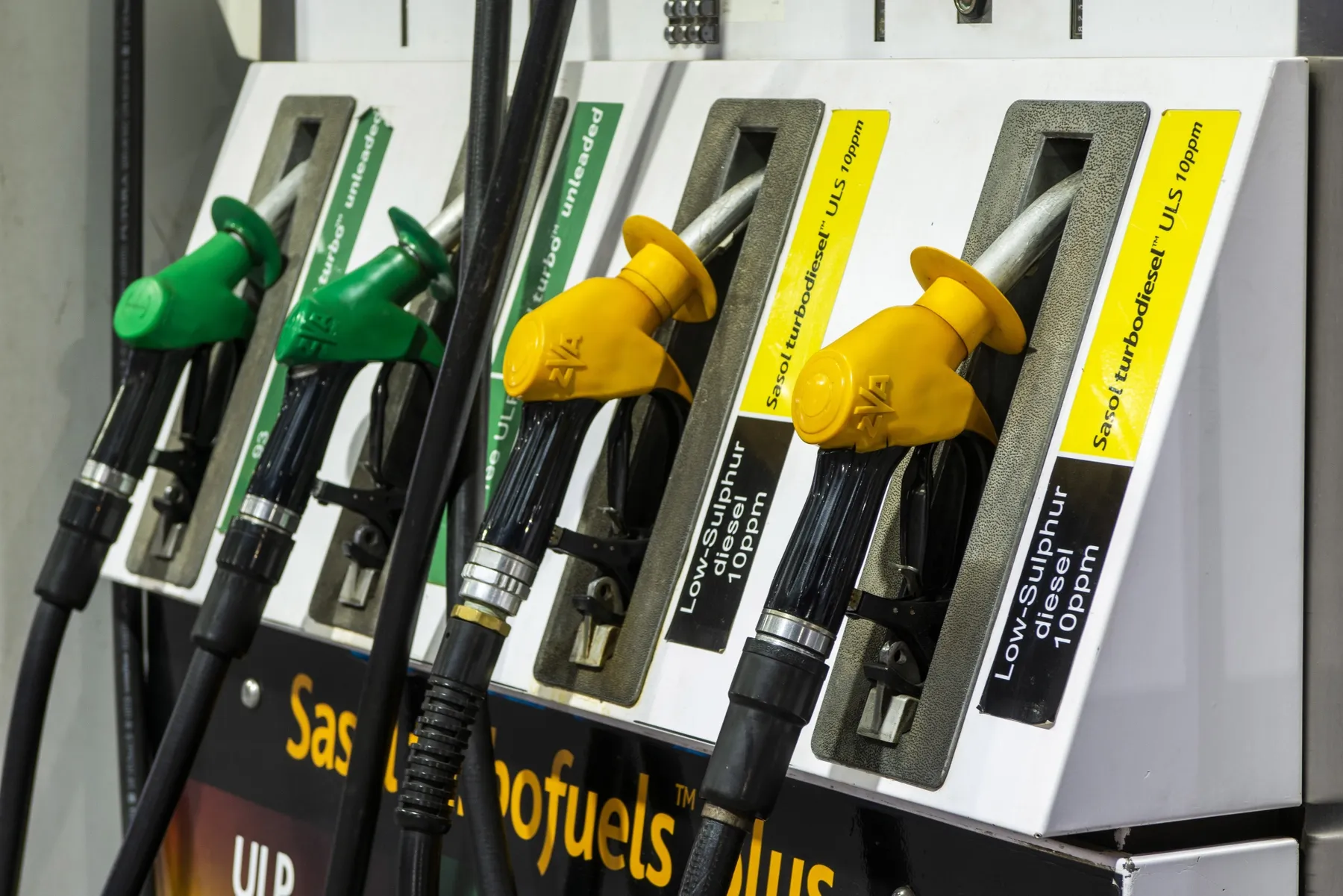
JOHANNESBURG, July 13 – South Africa is proposing a major overhaul of its strategic fuel reserve policy that would require both the government and private sector to maintain mandatory fuel stockpiles, as the country seeks to strengthen its resilience against future energy supply disruptions.

The proposal, outlined in a draft policy document issued by the Department of Mineral and Petroleum Resources and seen by African Economy Inc., comes amid sustained pressure on global energy markets caused by the ongoing Middle East crisis, which has disrupted shipments through the Strait of Hormuz, one of the world’s most important transit routes for crude oil and liquefied natural gas.

Under the proposed framework, all licensed fuel wholesalers and importers would be required to maintain fuel stocks equivalent to 21 days of supply. Of these reserves, 70% would consist of crude oil, while the remaining 30% would be held as refined petroleum products, including diesel and jet fuel.

The government would also establish strategic reserves equivalent to 60 days of national supply, following the same allocation between crude oil and refined products. These reserves would only be released during a formally declared state of emergency arising from what the policy describes as “catastrophic events.”

You Might Be Interested In
  • South Africa’s Eskom Secures LNG Supply Deal to Support Planned 3,000MW Gas Power Project

According to the Department of Mineral and Petroleum Resources, “There is a compelling need for South Africa to have a Strategic Stocks Policy to enhance the state of readiness in the event of major oil supply disruptions.”

If adopted, the policy would represent South Africa’s most significant expansion of strategic fuel reserves since the 1970s, when underground crude oil storage facilities were constructed at Saldanha during the apartheid era. The draft, however, does not specify the exact storage capacity required to support the proposed reserve levels.

The government plans to manage its strategic stockpiles through the Saldanha and Milnerton storage facilities.

The proposal has been released for public consultation before any final policy is adopted. The Fuels Industry Association of South Africa, which represents major oil companies operating in the country, had not commented on the proposals at the time of publication.

The move comes as South Africa continues to face structural challenges in its downstream petroleum industry. Government estimates show the country consumes approximately 27 billion litres of petroleum products annually, while roughly half of its domestic refining capacity has been lost in recent years, increasing dependence on imported refined fuels and exposing the economy to greater supply and price volatility.

The proposed reserve requirements form part of broader efforts to strengthen South Africa’s energy security and reduce the country’s vulnerability to future geopolitical shocks affecting global oil markets.
Read Next

  • Kenya Launches $825 Million IPO of State Oil Pipeline Firm

    January 20, 2026
  • Libya Seals $20 Billion Oil Deal With TotalEnergies and ConocoPhillips to Boost Output

    January 26, 2026
  • Dangote Refinery Took 98% of Crude Supplied to Nigeria’s Local Refineries in Q2

    August 11, 2026
  • Nigeria’s Central Bank Holds Interest Rate at 26.5% as Inflation Risks Persist

    May 20, 2026
  • Uganda Drafts Roadmap to Enact IGAD Free Movement Rules

    March 16, 2026

Newsletter

Subscribe to our newsletter for trusted insights on Africa’s economies, markets, and business.

African Economy Inc. Logo

About Us

We are a business and economic intelligence platform delivering in-depth reporting, analysis, and insights on markets, companies and economic developments across Africa.

Our Company

  • AEI Intelligence
  • About
  • Editorial Standard
  • Partnerships
  • Advertise With Us
  • Careers
  • Ownership

News

  • Economy
  • Business
  • Markets
  • Finance
  • Credit Ratings
  • Policy
  • Tech

Useful Links

  • Privacy Policy
  • Terms of Use
  • Closed Captioning Policy
  • Accessibility Statement
  • Personal Information
  • Data Tracking
  • Register New Account

Subscribe Newsletter

Subscribe to our newsletter for trusted insights on Africa’s economies, markets, and business.

©2026 Majons Media Inc. All Rights Reserved.

Facebook Twitter Instagram Linkedin
African Economy Inc.
  • Economy
  • Business
  • Markets
  • Banking & Finance
  • Energy
  • Tech
  • Policy