
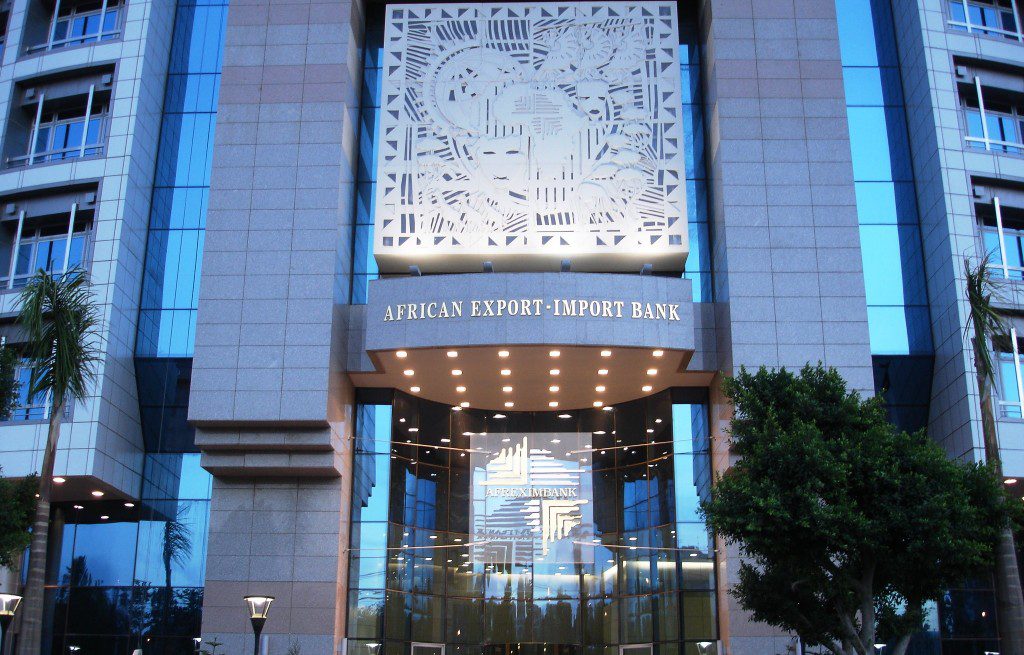
CAIRO, Oct 30 – The African Export-Import Bank (Afreximbank) is planning a $1 billion syndicated loan that could include an offshore yuan tranche, potentially marking its first borrowing in the offshore renminbi market as financial cooperation between China and African economies expands.
Bloomberg News reported on Friday, citing people familiar with the matter, that the proposed three-year facility would comprise US dollar and offshore yuan tranches. The final allocation between the two currencies will depend on investor demand and the outcome of the syndication process.
Bank of China and Standard Chartered Bank are serving as global coordinators for the transaction, according to the report. The sources requested anonymity because they were discussing private information.
Loan structure and syndication plans
The proposed financing would provide Afreximbank with access to funding in two currencies, extending its borrowing options beyond traditional hard-currency markets.
The final sizes of the US dollar and offshore yuan portions have not been determined. Instead, the allocation will be shaped by demand from participating lenders during the syndication.
If completed with a renminbi component, the transaction would represent Afreximbank’s first foray into the offshore yuan market. It would also provide an additional funding channel that could support financial activities connected to trade and investment between Africa and China.
The proposed structure reflects growing interest among financial institutions in diversifying funding sources and matching financing currencies more closely with the needs of borrowers and trade counterparties.
Renminbi financing and China-Africa trade
China remains an important commercial and investment partner for African economies, with bilateral trade links creating demand for financing and settlement mechanisms that facilitate transactions between the two markets.
An offshore yuan tranche could broaden access to renminbi liquidity for Afreximbank and potentially support financing activities linked to China-Africa trade flows.
For African lenders and financial institutions, access to alternative currency markets may also help diversify funding exposure and reduce reliance on conventional dollar-denominated borrowing. However, the extent of these benefits will depend on the final loan structure, pricing and how the funds are deployed.
The proposed transaction also reflects a broader trend among regional and multilateral financial institutions exploring alternative funding channels amid changing global financing conditions.
African financing conditions and external pressures
The planned loan comes as African governments and institutions navigate elevated debt-service costs, tighter international financing conditions and pressure on external reserves.
Higher global yields have increased the cost of accessing international capital markets, while growing debt obligations and weaker external support have added to financing constraints across parts of the continent.
These conditions have strengthened the incentive for African financial institutions to explore diversified funding sources, including alternative currency markets and partnerships with international lenders.
For Afreximbank, the proposed syndicated loan could expand its funding base while reinforcing financial links with China. The transaction remains subject to syndication, with its final currency composition and tranche sizes yet to be determined.
