
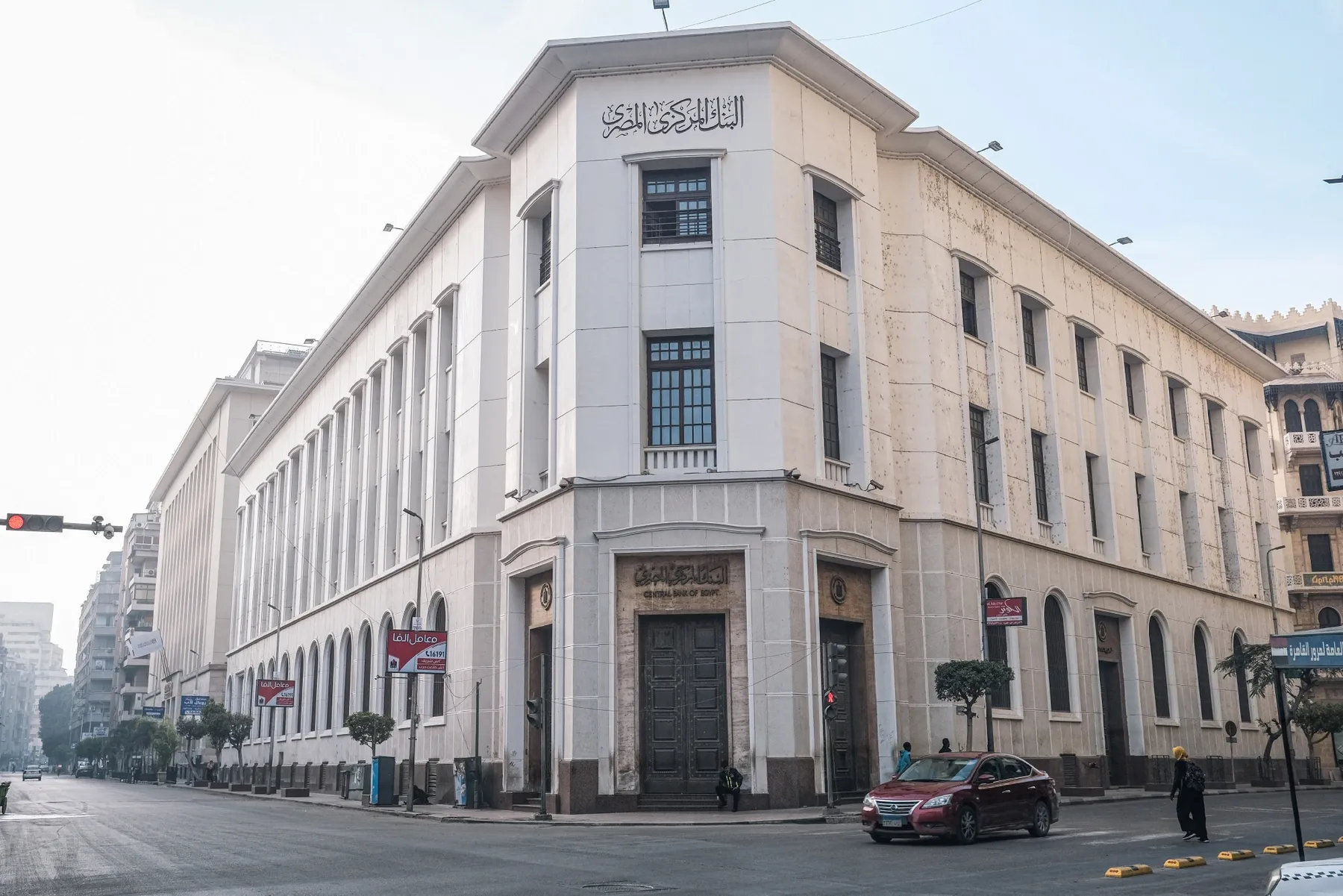
CAIRO, Oct 29 – Egypt’s Central Bank raised its key interest rates by 100 basis points on Thursday, delivering its first rate increase since March 2024 as policymakers responded to challenging external conditions and persistent uncertainty.
The Central Bank of Egypt (CBE) increased its overnight deposit rate to 20% from 19% and its overnight lending rate to 21% from 20%, according to a statement from the bank.
Central bank seeks to contain inflation expectations
The CBE said the increase was intended to keep inflation expectations anchored and safeguard the country’s disinflation trajectory amid challenging external conditions.
The move comes as Egypt faces renewed pressure on its currency. The Egyptian pound fell to a record low of 56 pounds per US dollar on Monday, according to LSEG data, adding to the uncertainty surrounding the country’s economic outlook.
Higher interest rates can help support a currency and moderate domestic demand by increasing borrowing costs. However, they can also raise financing costs for businesses and households, potentially weighing on investment and consumption.
Inflation slows, but monetary policy tightens
Egypt’s annual urban inflation rate eased to 13.9% in September from 14.5% in August. Core inflation, which excludes certain volatile price components, also declined to 14.1% from 14.9%.
Despite the moderation in both measures, the central bank opted to increase borrowing costs rather than extend its pause in monetary tightening.
The decision signals that policymakers remain concerned about risks to the inflation outlook, particularly those arising from external economic conditions and currency movements.
Growth outlook remains broadly stable
The CBE expects Egypt’s economic growth to remain broadly stable in the third quarter of 2026, at around the 4.7% rate recorded in the second quarter.
Maintaining that pace while tightening monetary policy could prove challenging if higher borrowing costs constrain private-sector credit and investment. The effect will depend partly on how inflation, exchange-rate conditions and external pressures evolve.
The rate increase marks a shift in the central bank’s policy stance after more than two years without a hike. Its impact will be measured against two key objectives: keeping inflation on a downward path and limiting further pressure on the Egyptian pound without significantly undermining economic activity.
