
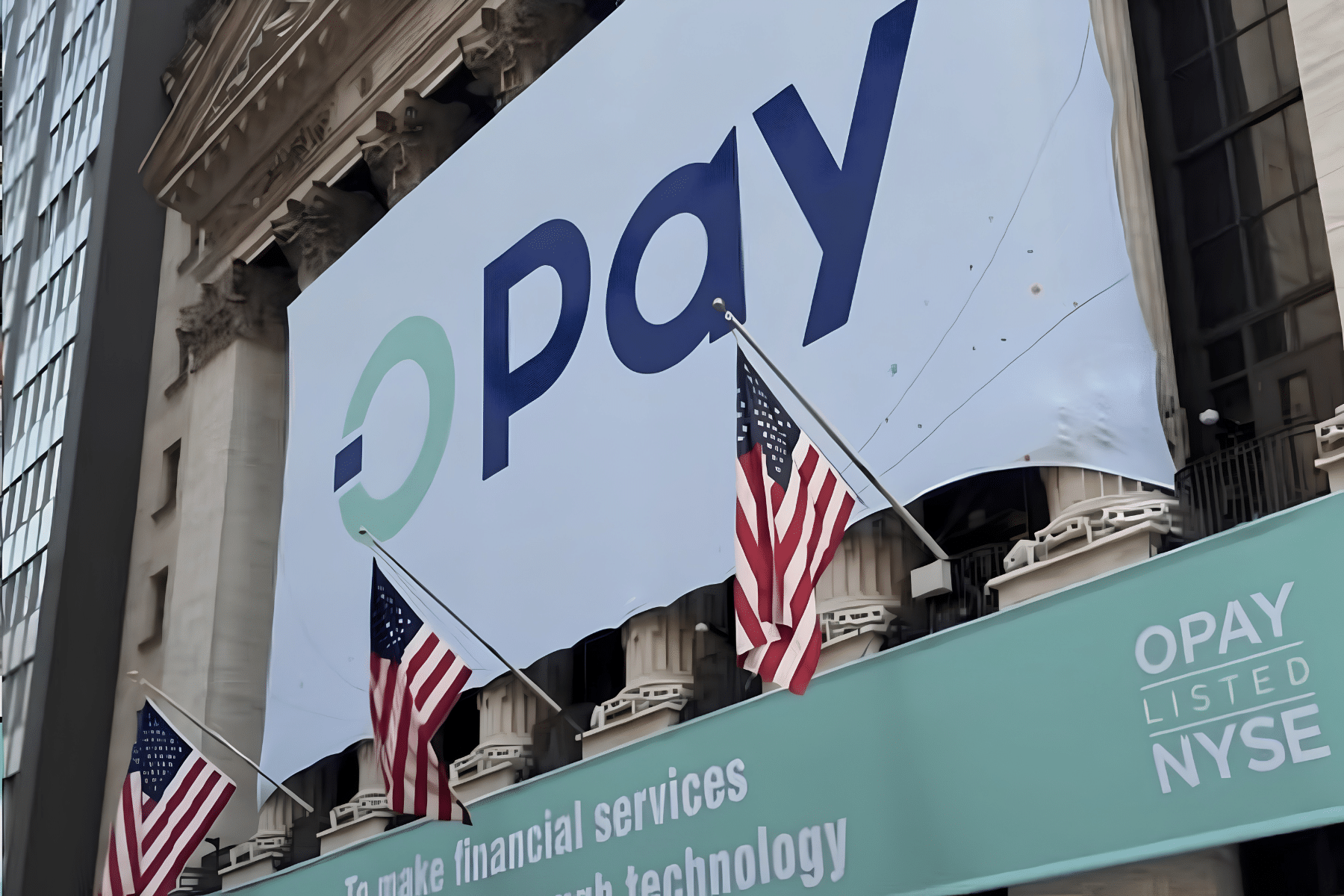
NEW YORK, Oct 30 – SoftBank-backed fintech company OPay has raised $304 million in its initial public offering (IPO) in the United States, securing a valuation of approximately $4 billion as it seeks to expand its presence in emerging markets.
The Nigeria-focused company sold 16 million American depositary shares at $19 each, the lower end of its targeted price range of $19 to $21. OPay will list on the New York Stock Exchange under the ticker symbol OPAY.
The offering comes amid a challenging environment for equity listings, as persistent inflation and a selloff in artificial intelligence-related stocks have weighed on investor sentiment. Market volatility and concerns about company valuations have also prompted several businesses to delay their listing plans.
Founded in 2018, OPay provides digital financial services across emerging markets, including Nigeria and Indonesia. Its platform combines payments, money transfers, savings and lending services in a single application, targeting markets where gaps in traditional banking infrastructure limit access to financial services.
The company was founded by Chinese billionaire Yahui Zhou, who also established Beijing Kunlun Tech, the Chinese gaming company that previously owned dating platform Grindr.
OPay previously raised $400 million in 2021 at a valuation of $2 billion, according to the company’s IPO prospectus. It reported approximately 50 million monthly active users as of July 31, highlighting the scale of its platform ahead of the public offering.
Entities affiliated with Japanese investment conglomerate SoftBank held a 6.6% stake in OPay before the IPO, according to the filing.
Citigroup, Deutsche Bank, Standard Bank and China International Capital Corporation (CICC) are among the underwriters managing the offering.
The listing gives OPay access to public equity markets as it seeks to capitalise on demand for digital financial services across emerging economies. Its valuation of approximately $4 billion represents a doubling of the $2 billion valuation recorded during its 2021 funding round.
