
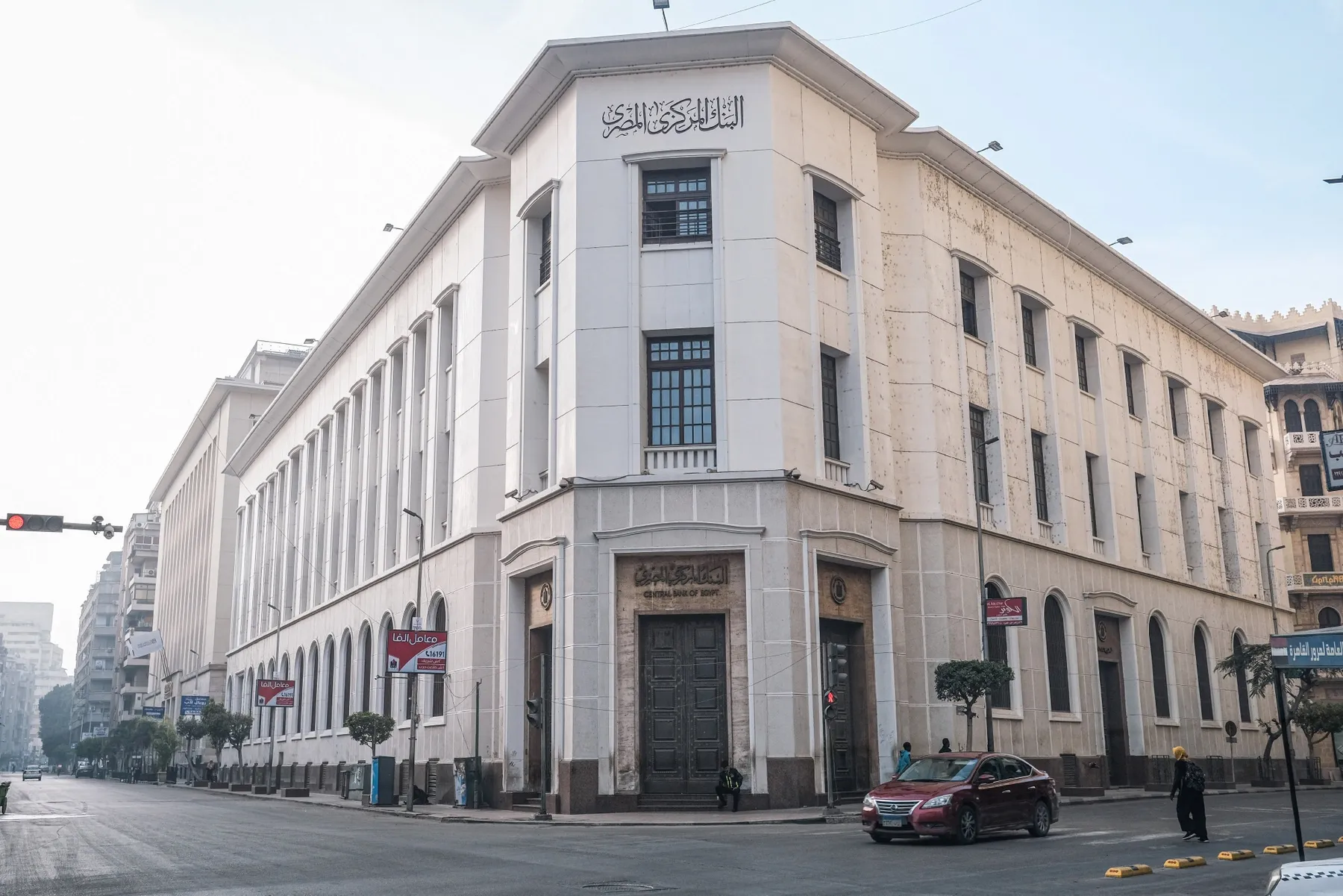
CAIRO, July 13 – Egypt’s current account deficit more than doubled to $5.1 billion during the January to March 2026 quarter, highlighting growing pressure from the country’s expanding merchandise trade gap despite stronger inflows from remittances, tourism and the Suez Canal.
According to data released by the Central Bank of Egypt, the deficit widened from $2.3 billion recorded in the corresponding period of 2025, largely reflecting higher import costs that outpaced growth in exports.
The central bank said the deterioration in the external balance was primarily driven by a larger merchandise trade deficit, although increased foreign currency inflows from key sectors helped cushion the impact.
Net foreign direct investment (FDI) inflows remained broadly stable during the quarter, easing slightly to $3.7 billion from $3.8 billion a year earlier.
Remittances from Egyptians living abroad continued to provide strong support for the economy, rising to $12.8 billion during the quarter from $9.3 billion in the same period last year. The increase reinforces the importance of remittance inflows as one of Egypt’s largest and most resilient sources of foreign exchange.
Tourism also delivered stronger earnings, with revenues increasing to $4.2 billion, compared with $3.8 billion a year earlier, reflecting the sector’s continued recovery.
Meanwhile, revenues from the Suez Canal climbed to $1 billion, up from $800 million during the same quarter of 2025, providing an additional boost to foreign currency receipts.
On the trade front, Egypt’s oil import bill rose significantly to $5.7 billion, compared with $4.8 billion in the corresponding period last year. Oil exports also increased, but at a more modest pace, rising to $1.6 billion from $1.2 billion.
The latest figures underscore the mixed dynamics shaping Egypt’s external sector. While stronger remittances, tourism receipts and Suez Canal revenues continue to strengthen foreign exchange inflows, rising import costs and a widening trade deficit remain key challenges for the country’s balance of payments and overall external stability.