
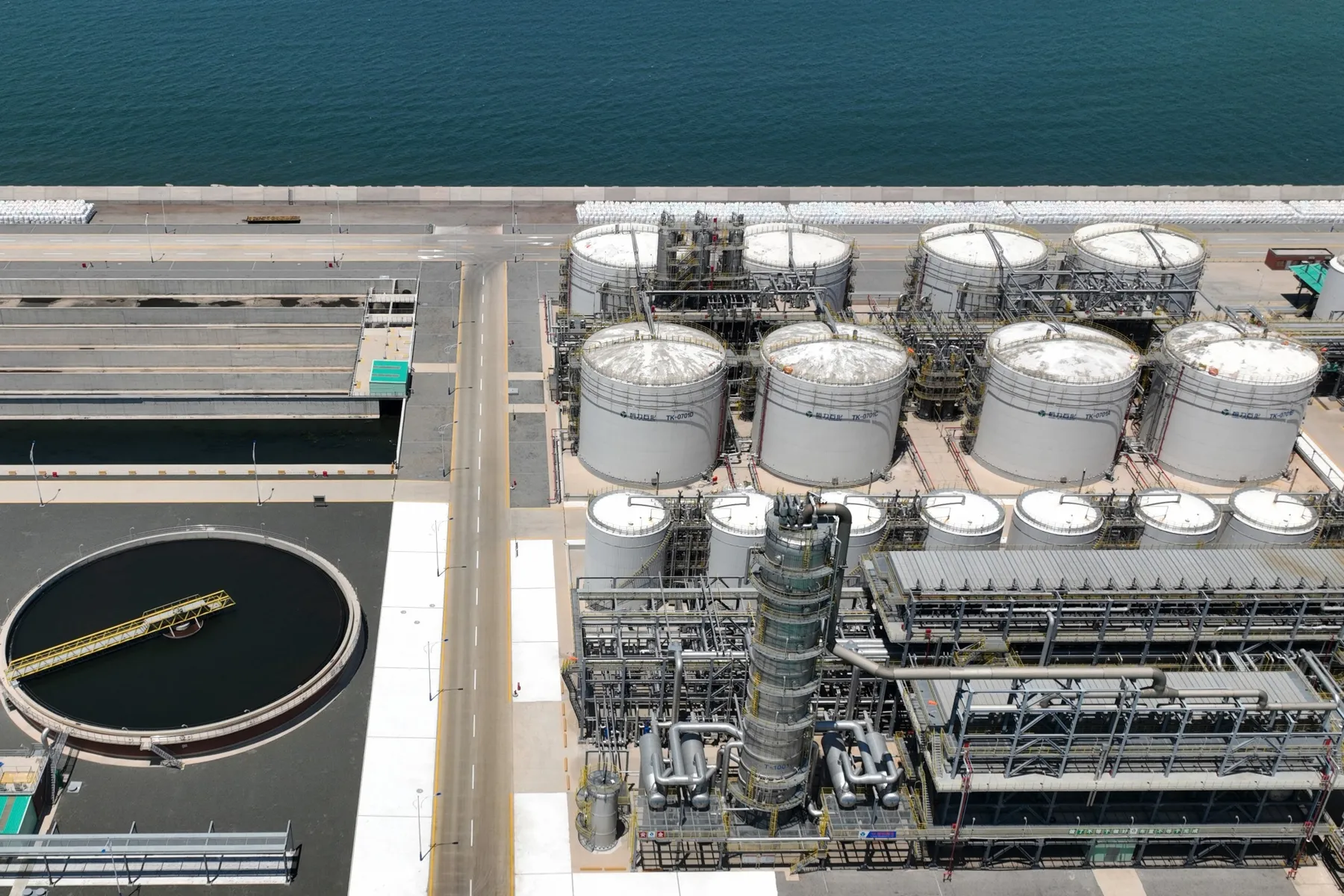
BEIJING, July 2 – China’s Hengli Petrochemical has cancelled purchases of at least 6 million barrels of non-Iranian crude oil following U.S. sanctions imposed earlier this year, according to Reuters, citing multiple trade sources familiar with the matter.
The cancellations come only weeks after reports that the independent Chinese refiner had secured crude cargoes from West Africa and the Middle East in an effort to demonstrate compliance with U.S. sanctions and facilitate its removal from Washington’s sanctions list.
According to a Reuters report, the cancelled transactions include 2 million barrels of West African crude that had already been delivered to third-party storage facilities in eastern China, as well as two separate 2-million-barrel cargoes of Middle Eastern crude that were scheduled for delivery in July.
One of the Middle Eastern cargoes has since been resold, according to one of the sources. The reasons behind the cancellations remain unclear.
Hengli Petrochemical did not respond to requests for comment. The company was sanctioned by the United States in April over allegations that it had purchased Iranian crude oil, claims the refinery subsequently denied.
Last week, Washington announced a 60-day waiver on sanctions relating to Iranian oil exports as part of an interim peace agreement involving Iran. Although Iranian crude exports have since accelerated, it remains unclear which buyers are participating under the temporary waiver.
Market participants said it is uncommon for large refiners to cancel crude purchase agreements at short notice, warning that the decision could affect Hengli’s future relationships with suppliers and trading partners.
One supplier familiar with the situation said, “This is a blow to its trading team as they tried so hard, knocking at doors at many partners to get back the mainstream market.”
Sources also said Hengli had structured the crude purchases through multiple trading intermediaries to reduce potential sanctions exposure for counterparties. However, it remains unclear whether suppliers affected by the cancellations have received compensation.
The refinery had previously stated in late April that its 400,000-barrel-per-day facility in northeastern China held more than three months of crude inventories and that it intended to pursue legal avenues to be removed from the U.S. sanctions list.
However, with limited access to non-sanctioned crude supplies, the company has reportedly been forced to further reduce refinery operations. According to trade sources, Hengli shut down one of its two 200,000-barrel-per-day crude distillation units in late June, lowering overall refinery utilisation to approximately 50%.
The refinery had been operating at around 70% capacity earlier in June and above 80% in May, highlighting the operational impact that sanctions and supply constraints are having on one of China’s largest independent refiners.
The latest developments underscore how geopolitical tensions and sanctions continue to reshape global crude oil trade, forcing refiners to adjust procurement strategies and operational plans amid an increasingly complex energy market.
