
LAGOS, June 11 – Chinese refining giant Hengli Petrochemical has purchased at least 2 million barrels of West African crude oil and is seeking additional mainstream supplies as it attempts to reduce reliance on sanctioned crude and pursue removal from the U.S. sanctions list.
According to Reuters reports, the privately owned refiner has been actively sourcing non-sanctioned crude grades from West Africa and the Middle East following sanctions imposed by the United States in April.
The sanctions were linked to allegations that Hengli had purchased Iranian crude oil, claims the company has denied.
Sources familiar with the matter said the company is now seeking to secure entirely non-sanctioned oil supplies as part of efforts to normalize trading relationships and reduce regulatory risks.
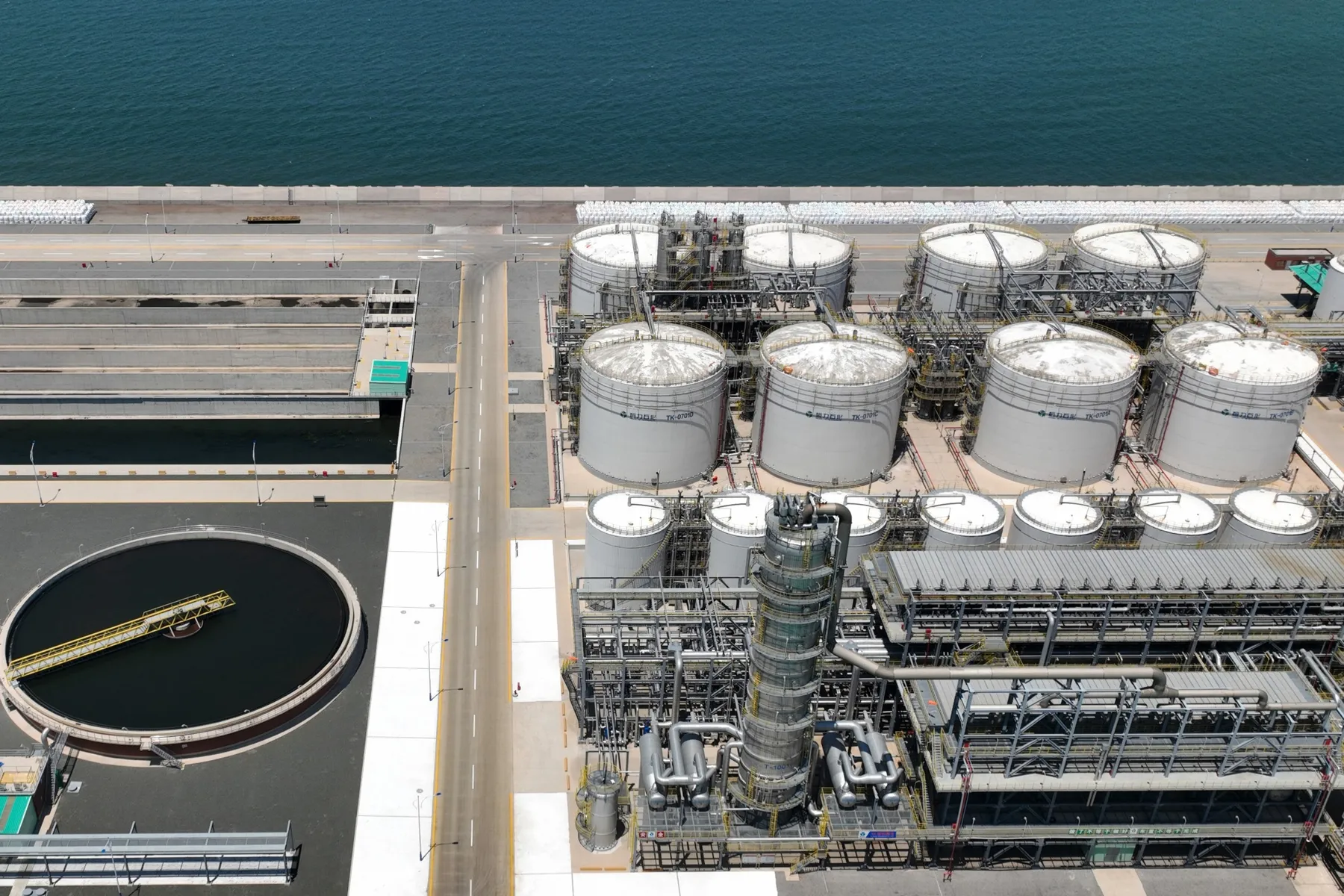
Hengli operates a 400,000-barrel-per-day refinery in Dalian, northeastern China, and has reportedly been making inquiries about cargoes of West African and non-Iranian Middle Eastern crude for delivery beginning in June.
Trade sources indicated that the company has already acquired at least 2 million barrels of West African crude scheduled for delivery to China between late June and July.
The shift comes as Chinese independent refiners face tightening supplies of Iranian crude following ongoing geopolitical tensions in the Middle East and restrictions affecting Iranian exports.
Industry data shows that China’s imports of Iranian crude fell to approximately 1.19 million barrels per day last month, the lowest level since September, reflecting growing supply constraints.
The move toward West African crude highlights the increasing importance of African oil producers in global energy markets as buyers seek alternative supply sources amid geopolitical disruptions.
Analysts note that crude grades from countries including Nigeria and Angola are often viewed as attractive substitutes because of their quality and compatibility with many refining systems.
However, traders caution that supplying crude directly to a sanctioned company remains complex.
According to market participants, many sellers are reluctant to engage directly with sanctioned entities due to concerns about potential secondary sanctions, increasing the likelihood that transactions will be conducted through intermediaries.
The sanctions have also affected Hengli’s operational flexibility.
Sources said declining crude inventories have forced the company to reduce refinery utilization rates in June to slightly below 70%, down from more than 80% in the previous month.
The company had become increasingly dependent on Iranian and Russian crude supplies since late 2024, according to traders familiar with its procurement activities.
Under U.S. Treasury rules, companies may seek removal from sanctions lists by demonstrating that the circumstances that led to the designation no longer apply or that the original basis for listing was insufficient.
Hengli stated shortly after the sanctions were announced that it would pursue legal avenues to seek removal from the sanctions list while continuing operations using existing crude inventories and transactions denominated in Chinese yuan.
The company’s growing interest in West African crude underscores the continent’s strategic role in global oil markets as shifting geopolitical dynamics reshape trade flows and energy supply chains.
