
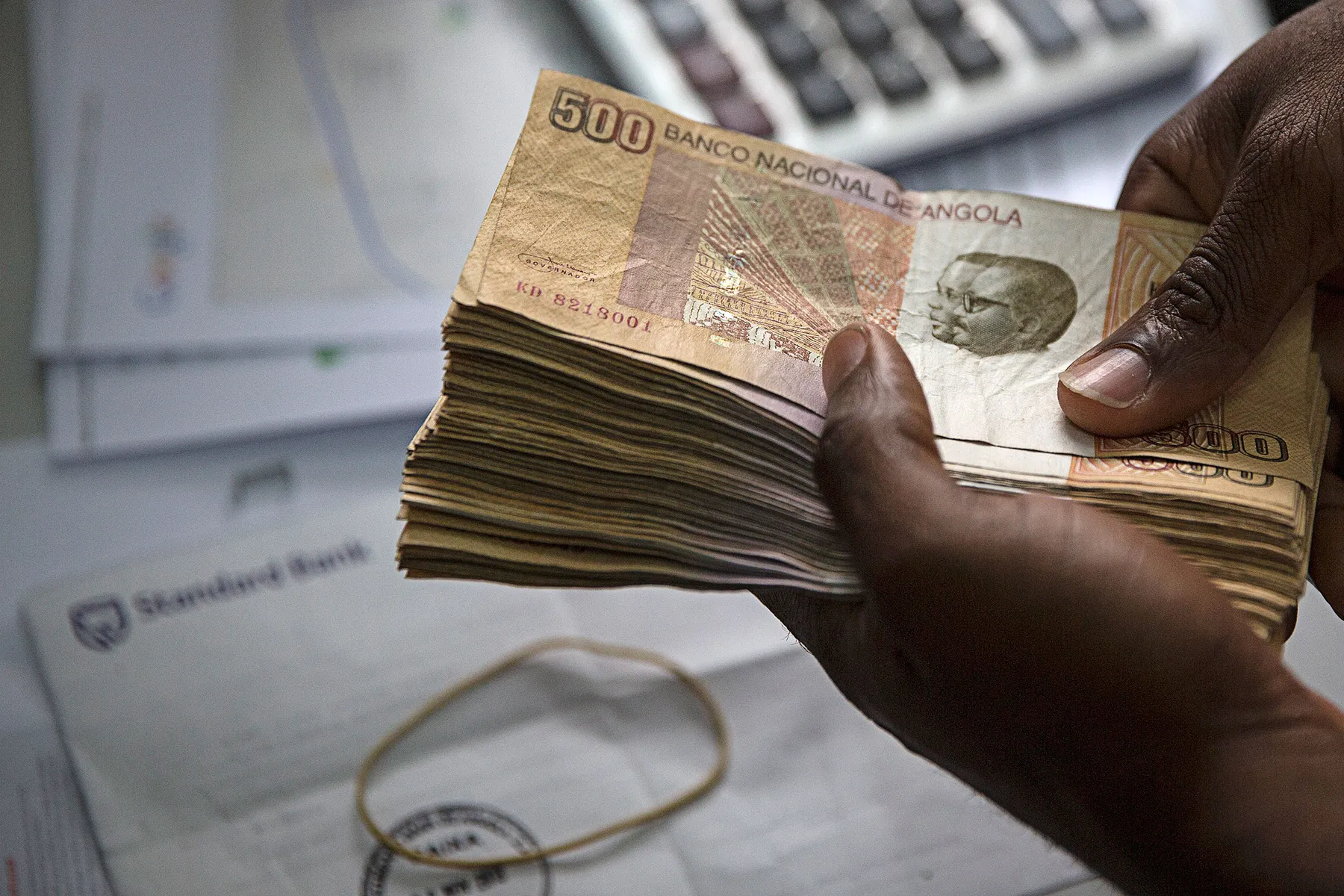
JOHANNESBURG, July 27 – The Southern African Development Community (SADC) has expanded its regional payment infrastructure by introducing the Angolan kwanza as a settlement currency in the SADC Real-Time Gross Settlement (SADC-RTGS) system, a move aimed at strengthening cross-border trade and reducing reliance on foreign currencies.
The announcement was made jointly by South African Reserve Bank (SARB) Governor Lesetja Kganyago, who also chairs the SADC Committee of Central Bank Governors (CCBG), and Banco Nacional de Angola Governor Manuel Tiago Dias.
The inclusion of the kwanza marks the second settlement currency available within the SADC-RTGS platform, which has operated exclusively in South African rand since its launch in 2013. The regional payment system currently serves 15 participating SADC member states.
According to the central banks, enabling direct settlement in Angolan kwanza will reduce the need for foreign exchange conversions when conducting transactions in the currency, helping lower transaction costs for financial institutions and their customers while improving the efficiency of regional payments.
The initiative also supports broader efforts to modernise payment systems across Southern Africa and aligns with the Group of Twenty (G20) objective of making cross-border payments faster, cheaper and more efficient.
SADC said the introduction of the kwanza forms part of a longer-term strategy to develop a multi-currency settlement framework within the regional payment system. Additional regional currencies, including the Botswana pula, are expected to be incorporated in the future.
The move is designed to deepen regional financial integration, encourage greater use of local currencies in intra-African trade and reduce dependence on non-SADC currencies for cross-border transactions.
By allowing businesses to settle payments directly in regional currencies, the upgraded payment system is expected to improve cash flow management, accelerate access to funds and facilitate trade across member countries.
The announcement comes as the South African Reserve Bank also noted an increase in cross-border payment facilitator activities, highlighting the growing importance of efficient and integrated regional payment infrastructure as trade within Southern Africa continues to expand.
