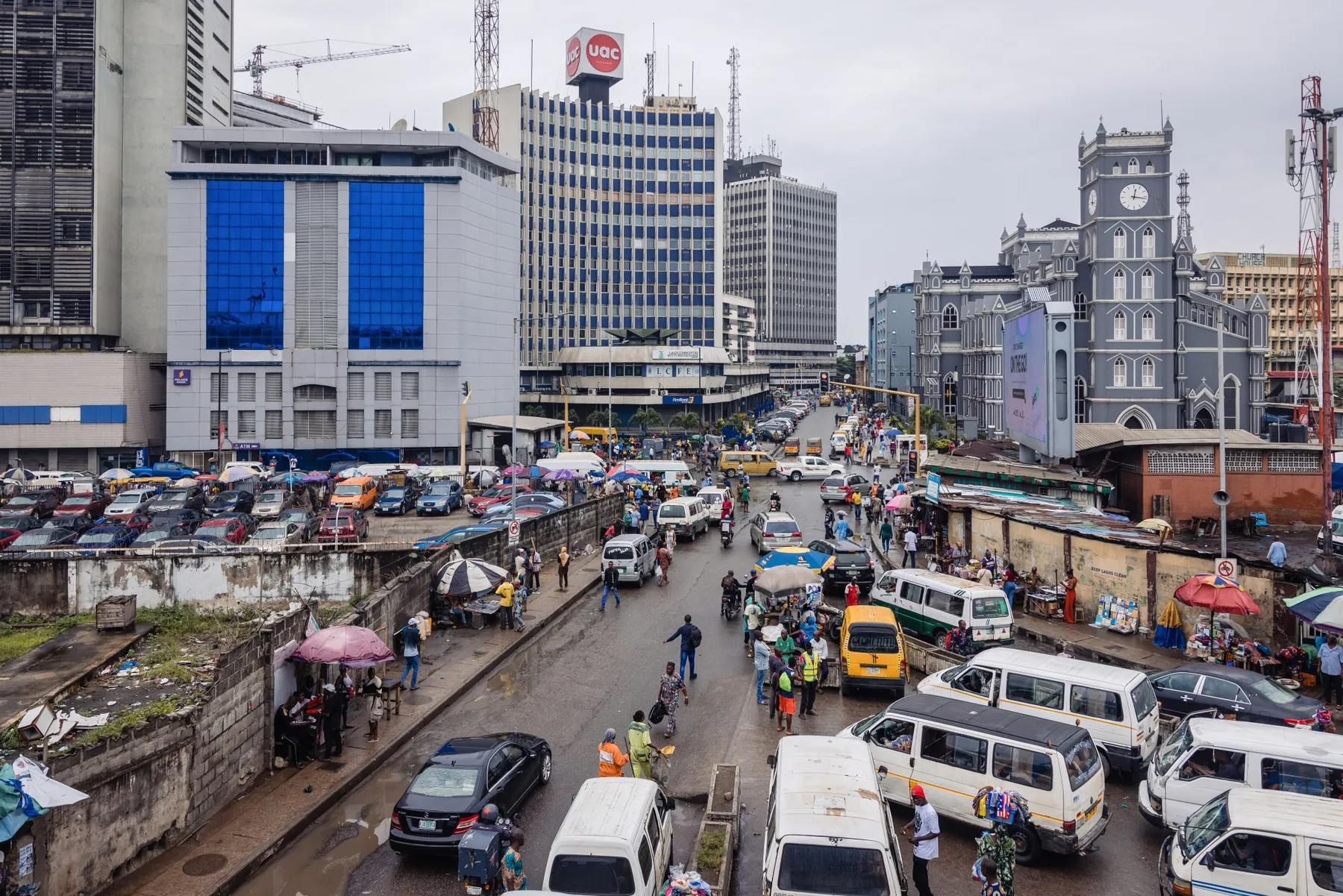
LAGOS, Oct 9 – Global credit rating agency Moody’s has revised its outlook for sub-Saharan Africa to positive, citing economic reforms, stronger commodity prices and improved access to financing that have helped governments manage inflationary pressures and strengthen their fiscal positions.
The ratings agency expects the region’s economies to expand by a weighted average of 4.3% in both 2026 and 2027, reflecting continued growth across the countries it assesses.
The improved outlook also reflects expectations that governments will face lower overall financing requirements as fiscal conditions stabilise and debt pressures ease. Moody’s forecasts annual government borrowing needs, including funding for budget deficits and maturing debt, will decline to 11.2% of GDP in 2027, from a peak of 12.3% in 2025.
Government debt is projected to stabilise at 56.6% of GDP in 2027, down from 62.4% in 2025, indicating a gradual improvement in the region’s aggregate debt trajectory.
However, the agency cautioned that high debt-repayment obligations, narrow government revenue bases, climate-related shocks and regional security threats continue to constrain sovereign credit quality.
Debt Trends Diverge Across the Region
The improvement is expected to vary considerably among countries. Zambia and Ethiopia are forecast to record the largest declines in government debt, while Botswana and Gabon are expected to experience the sharpest increases.
Botswana faces pressure from weak diamond demand, which has affected a key source of export earnings and government revenue. Gabon, meanwhile, continues to struggle with controlling public expenditure.
Debt-servicing costs remain a particular concern. Moody’s expects Kenya and Zambia to spend approximately 35% of government revenue on interest payments in 2027, the highest proportions among the countries covered in its regional assessment.
Such high interest burdens leave governments with less fiscal room to finance infrastructure, public services and development programmes, particularly when revenue growth fails to keep pace with debt obligations.
Credit Outlooks Remain Uneven
Despite the improved regional outlook, investment-grade sovereign ratings remain limited. Only Botswana and Mauritius among the 25 countries rated by Moody’s in sub-Saharan Africa are classified as investment grade, indicating comparatively lower credit risk.
Eight countries have positive individual outlooks: South Africa, Namibia, Angola, Nigeria, Togo, Ghana, the Republic of Congo and Zambia.
Thirteen countries have stable outlooks, while four have negative outlooks: Mauritius, Gabon, Mali and Senegal.
The distribution highlights the differences in fiscal performance, debt sustainability and economic resilience across the region, even as the broader outlook improves.
Risks Could Reverse the Improvement
Moody’s warned that a prolonged rise in inflation, severe weather events or a sudden withdrawal of investor demand from African bond markets could weaken the outlook.
For governments that rely on international capital markets to refinance obligations and fund budget deficits, a decline in investor appetite could increase borrowing costs and intensify pressure on public finances.
The positive regional outlook therefore signals improving aggregate conditions rather than the removal of underlying vulnerabilities. Sustaining the gains will depend on governments strengthening revenue mobilisation, managing expenditure and controlling debt-servicing costs while remaining exposed to commodity-price fluctuations and external financing conditions.