
KINSHASA, Nov 11 – The United States is turning to the Democratic Republic of Congo (DRC) for a new source of tin as Washington seeks to rebuild domestic processing capacity and reduce dependence on overseas refiners.
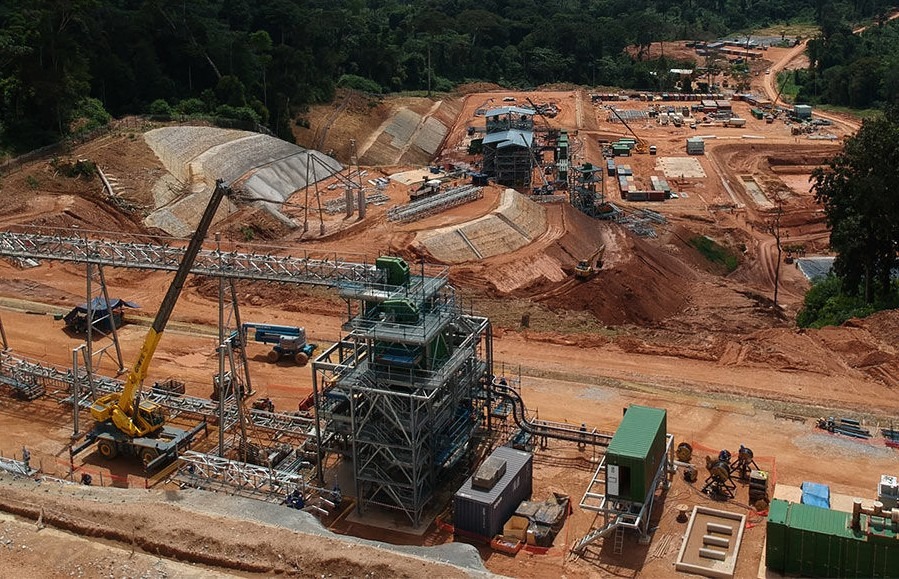
Nathan Trotter & Co., the oldest continuously operated metals manufacturer in the United States, has signed a two-year supply agreement with Canadian-listed Alphamin Resources for up to 3,600 tonnes of contained tin annually from its Bisie mine in eastern Congo.
Announced on November 9, the agreement will supply raw material to Nathan Trotter’s new tin smelting facility under construction in Henry County, Virginia. The plant is expected to begin production in 2027.
The contracted volume represents just under 20% of Bisie’s targeted annual production, according to the companies’ stated production plans.
Founded in 1789, Nathan Trotter is investing approximately $65 million in the facility, which is designed to process mined tin concentrate and recycled materials. The US Department of Defense awarded the company a $19 million grant in 2024 to support the development of domestic tin smelting, refining and recycling capacity.
The project comes after a prolonged absence of primary tin smelting in the United States. According to the US Geological Survey, the country has not smelted primary tin since 1989 and remains heavily dependent on imports for refined supplies.
Tin is a critical industrial material used in solder for electronic circuit boards, semiconductors and telecommunications equipment, as well as defence systems. Restoring domestic processing capacity is therefore part of broader US efforts to strengthen supply chains for minerals and technologies considered strategically important.
Alphamin’s Bisie mine produces approximately 20,000 tonnes of contained tin annually, making it one of the largest primary tin sources outside Asia. The new agreement provides the US with an additional African supply route as it seeks to diversify its sources of refined metals.
However, the arrangement does not represent a wholesale shift in Alphamin’s market exposure away from China. Chief Executive Eoin O’Driscoll told commodities publication Fastmarkets in October that approximately 70% of the company’s concentrate sales went to Yunnan in China, where competitive processing charges have made the market a major destination for its output. Most of Alphamin’s production is expected to continue going to China.
The company has been pursuing additional customers since Abu Dhabi-based International Resource Holding acquired a 56% stake in the miner in July 2025.
Alphamin said the US supply agreement supports the development of Western refining capacity and aligns with the US-led Pax Silica initiative, which seeks to establish more secure supply chains for critical minerals and technologies.
The deal links a major African tin producer with a new US processing project, although its initial two-year duration and limited share of Bisie’s output indicate that it is one component of a broader supply diversification effort rather than a replacement for Alphamin’s established Asian market.
