
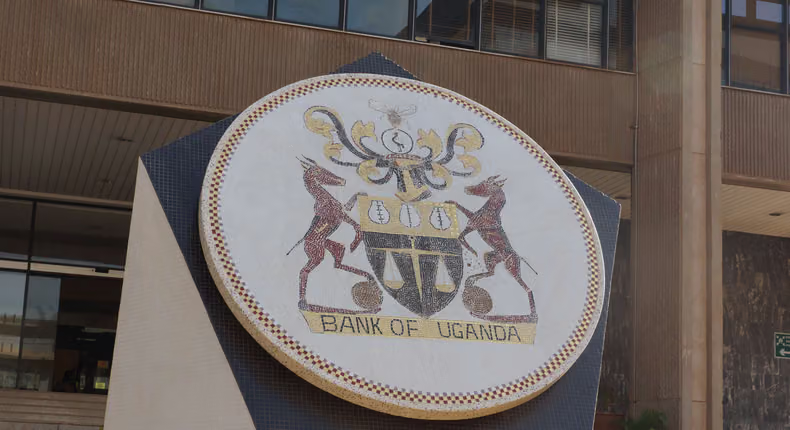
KAMPALA, Nov 9 – The Bank of Uganda has maintained its benchmark lending rate at 12%, opting to allow more time for the impact of October’s sharp monetary tightening to feed through the economy, despite rising inflation expectations and a weaker growth outlook.
The decision followed an assessment by the Monetary Policy Committee that existing financial conditions were sufficiently restrictive. Governor Michael Atingi-Ego said the central bank would hold its position while uncertainty over the economic outlook remained.
“The Monetary Policy Committee judged that the current financial conditions are tight enough, notwithstanding the continuing uncertainty,” Atingi-Ego told a press conference.
The decision comes after the central bank raised its benchmark rate by 225 basis points at an emergency meeting in October, seeking to address a sharp depreciation of the Ugandan shilling.
Although the currency has since recovered some ground, it remains more than 11% weaker against the US dollar this year, leaving exchange-rate pressures a concern for monetary policy.
Inflation has also accelerated. Headline inflation reached 5.8% year on year last month, its highest level in three years, driven by higher oil and food prices.
The central bank now expects core inflation to average between 6.0% and 6.5% over the next 12 months, above its 5% target. The revised outlook points to sustained price pressures even as the effects of tighter monetary policy work through the economy.
Alongside the higher inflation projections, the Bank of Uganda lowered its economic growth forecast for the 2026/27 financial year to between 5.5% and 6.0%, from its previous projection of 6.0% to 6.5%.
The decision to maintain rates reflects the central bank’s preference to assess the effects of its recent tightening before taking further action, as it balances persistent inflation risks against a softer growth outlook.
