
CAIRO, Nov 9 – Egypt is seeking to accelerate energy projects with Libya, including natural gas pipeline connections, crude oil refining and electricity interconnection, as Cairo looks to strengthen energy supplies amid constraints on domestic production and higher international fuel costs.
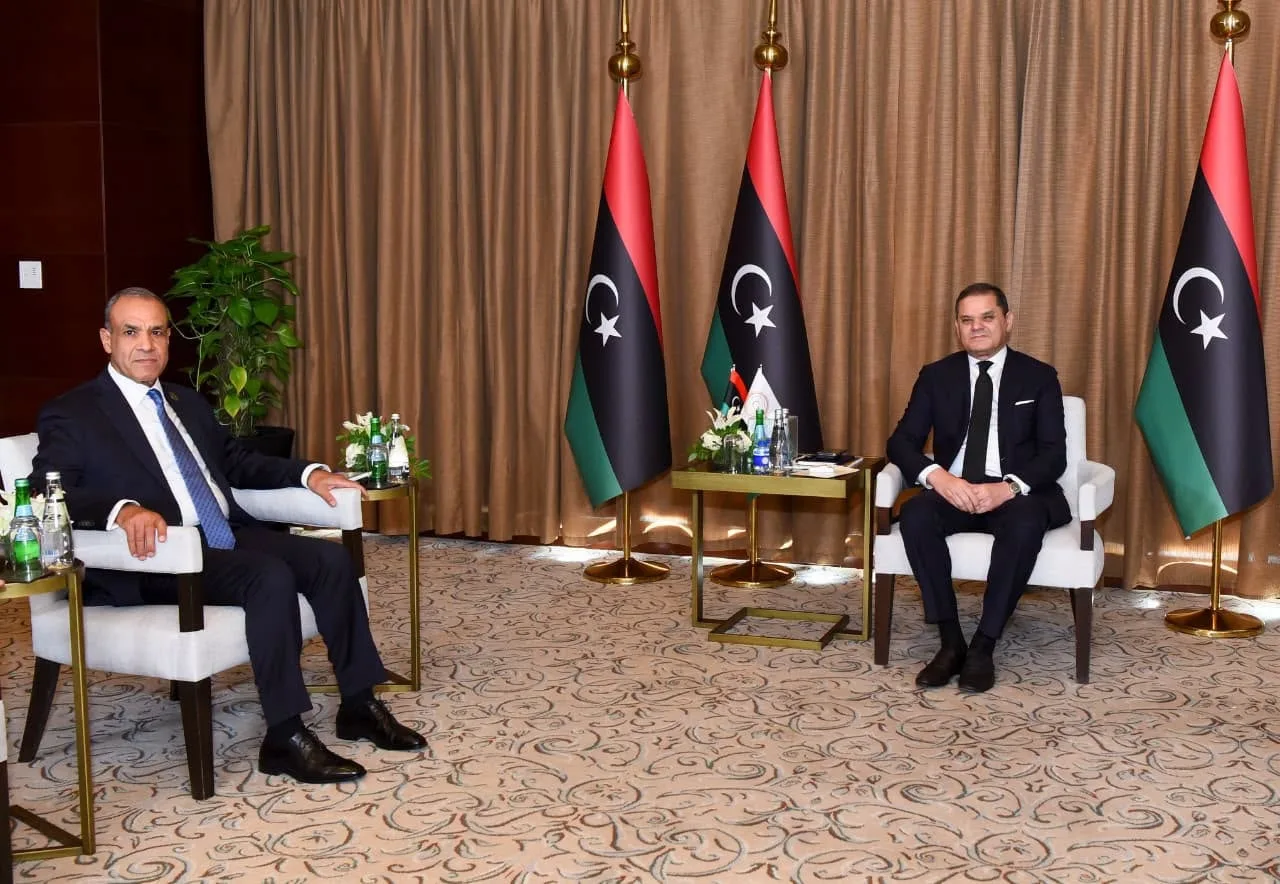
Egyptian Foreign Minister Badr Abdelatty outlined the proposed cooperation following a meeting with Libya’s acting oil and gas minister, Khalifa Abdulsadek, in Tripoli on Saturday. According to a statement from Egypt’s Foreign Ministry, the discussions covered opportunities to expand collaboration across the two countries’ energy sectors.
The proposed initiatives include gas pipeline links between Egypt and Libya, alongside arrangements for refining Libyan crude oil at Egyptian facilities and re-exporting the resulting petroleum products.
Abdelatty also called for closer cooperation on petroleum products and the completion of projects designed to process Libyan crude in Egypt. The initiatives could strengthen cross-border energy infrastructure and provide additional opportunities for cooperation between the two countries’ oil and gas industries.
The discussions come as Egypt contends with an energy squeeze driven by insufficient domestic natural gas output and elevated global liquefied natural gas (LNG) prices since the start of the US-Israeli war on Iran. The pressure has increased the importance of securing reliable energy supplies and expanding regional partnerships.
Abdulsadek said Libya would continue implementing existing projects and indicated that he would visit Cairo soon for further technical discussions with Egypt’s petroleum and electricity ministers.
The planned talks are expected to address the technical aspects of the proposed cooperation, including projects involving gas infrastructure, oil refining and electricity connectivity.
However, the Egyptian Foreign Ministry statement did not disclose project costs, financing arrangements, implementation timelines or the current development status of the initiatives. The extent to which the proposed projects can progress will therefore depend on further technical discussions and agreements between the two governments.
