
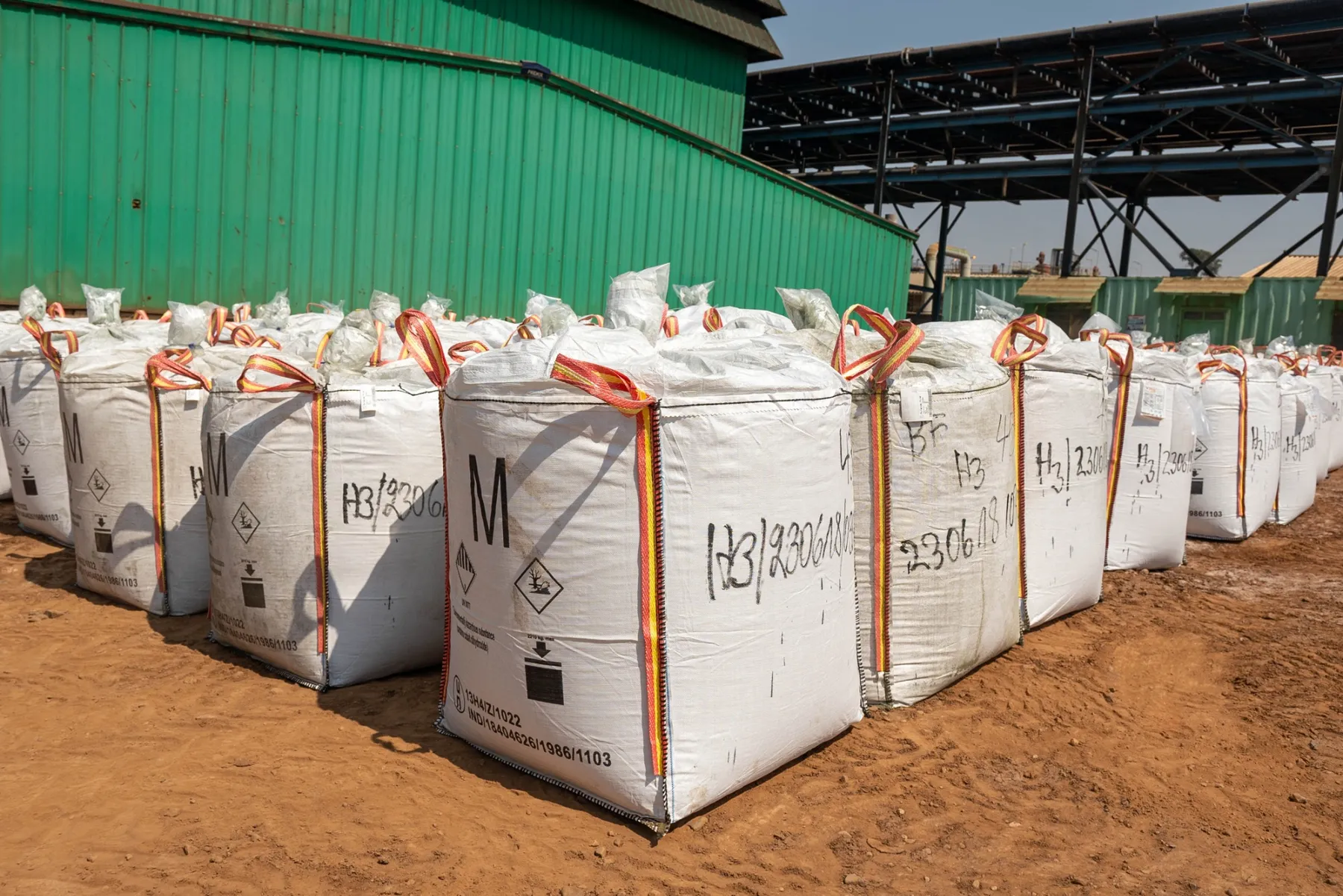
LONDON, Nov 23 – The Democratic Republic of Congo (DRC) will suspend all cobalt exports from November 30 until further notice, as the world’s largest producer seeks to address persistent oversupply, falling prices and rising inventories in the global market.
The decision was announced by the country’s strategic minerals regulator, the Authority for the Regulation and Control of Strategic Mineral Substances’ Markets (ARECOMS), which said the suspension would cover all cobalt produced in the country, including output from industrial mining companies and artisanal operations.
The restriction will remain in effect until ARECOMS formally authorises a resumption of exports. In its statement, the regulator said the measure was intended to address a market imbalance driven by weak demand, rising inventories and excess supply.
The latest intervention marks the second time since April 2025 that the DRC has halted cobalt exports in an effort to tighten supply and support prices. The country accounts for a dominant share of global cobalt production, making its export policies a significant factor in the availability of the metal used in electric vehicle batteries and other industrial applications.
Cobalt prices have faced renewed pressure this year following a brief recovery from record lows. Exports released under the DRC’s quota system added material to a market already contending with subdued battery demand and persistent surplus supply.
ARECOMS attributed the latest price weakness to slowing global consumption, rising inventories and speculative trading. It said prices had declined significantly and persistently since the middle of the year, reinforcing the need for further intervention.
Quota system faces adjustment
The suspension will provide the regulator with time to review and adjust its quota-allocation framework, with the stated objective of aligning export volumes more closely with global demand.
The quota system was introduced as part of the DRC’s effort to manage the flow of cobalt into international markets. However, the regulator’s latest announcement indicates that the existing framework has not yet achieved the intended market rebalancing, particularly as demand conditions remain weak and inventories continue to rise.
ARECOMS said it would review the suspension four months after it takes effect. However, it stressed that the review would not automatically result in exports resuming.
Any decision to restart shipments would require a separate regulatory announcement specifying permitted export volumes, quota allocations and the conditions governing the resumption.
Implications for the global cobalt market
The renewed suspension places the DRC’s supply-management policy at the centre of the global cobalt market. Because of the country’s importance to production, restrictions on exports could reduce the volume of cobalt available to international buyers, depending on the duration of the suspension and the treatment of existing inventories.
The policy also highlights the challenge facing producers and regulators as they attempt to balance supply against demand in a market influenced by battery manufacturing trends, electric vehicle adoption, inventory levels and changes in battery chemistry.
For the DRC, the immediate objective is to prevent excess supply from continuing to weigh on prices. The longer-term effectiveness of the intervention will depend on whether tighter export controls can produce a more durable balance between production, inventories and consumption.
The regulator has not provided a date for the resumption of exports. Until a separate decision is issued, the suspension will remain in force.
