
JOHANNESBURG, Sept 17 – South Africa’s first proposed offshore wind farm is facing a delay after developers withdrew the project’s environmental authorization application while redesigning the planned facility off the country’s east coast, Reuters reported on Thursday.
The 800 megawatt Gagasi offshore wind project, planned near Richards Bay, was launched in 2022 by GenesisHexicon, a joint venture between Sweden’s Hexicon and South Africa’s Genesis Eco-Energy Developments.
Acer (Africa) Environmental Consultants, which was appointed to conduct the environmental impact assessment, confirmed that the application was withdrawn last year and said it was uncertain about the project’s current status.
According to Acer Managing Director Dieter Heinsohn, the withdrawal was linked to a technical redesign rather than environmental concerns.
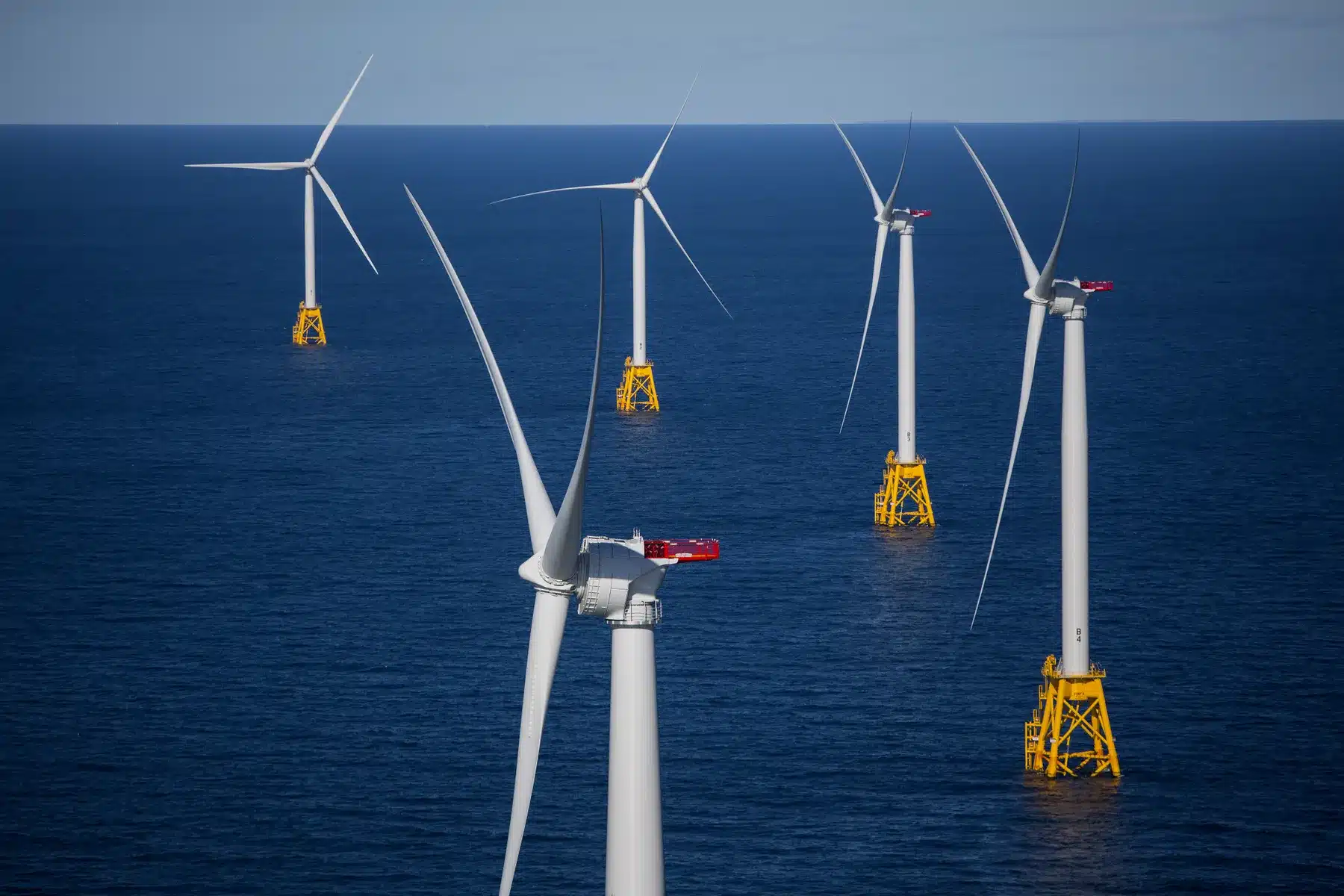
“The application was withdrawn to redesign from floating to anchored wind turbines, that is for technical and not environmental reasons,” Heinsohn told Reuters.
Hexicon did not respond to requests for comment, while Genesis Eco-Energy said it plans to provide an update on the project next month.
The change in turbine design comes as South Africa considers how offshore wind could complement its existing power system and reduce reliance on coal-fired generation.
South Africa Has 95 GW Offshore Wind Potential
The project’s delay comes as the World Bank highlights the scale of South Africa’s potential offshore wind resources.
A World Bank study released this week estimates that the country could have approximately 95 gigawatts of offshore wind potential across selected coastal areas, with much of that potential suited to floating offshore wind technology.
The study indicates that large-scale development could also generate significant economic benefits. Offshore wind could contribute an estimated $6.7 billion in employment wages to South Africa’s domestic economy by 2050, while supporting efforts to reduce emissions from coal-fired power generation.
The World Bank said offshore wind development over the next 25 years could reduce South Africa’s electricity-generation emissions by approximately 530 million tonnes of CO₂, potentially contributing to the country’s climate objectives and strengthening its role in renewable energy deployment.
The scale of the potential resource means the development of offshore wind infrastructure could extend beyond electricity generation, creating demand for engineering, manufacturing, construction, port services and other parts of the domestic industrial supply chain.
For now, however, the status of the Gagasi project remains uncertain following the withdrawal of its environmental application. The planned shift from floating to anchored turbines indicates that technical and commercial considerations remain important factors in determining how South Africa’s offshore wind resources are developed.
