
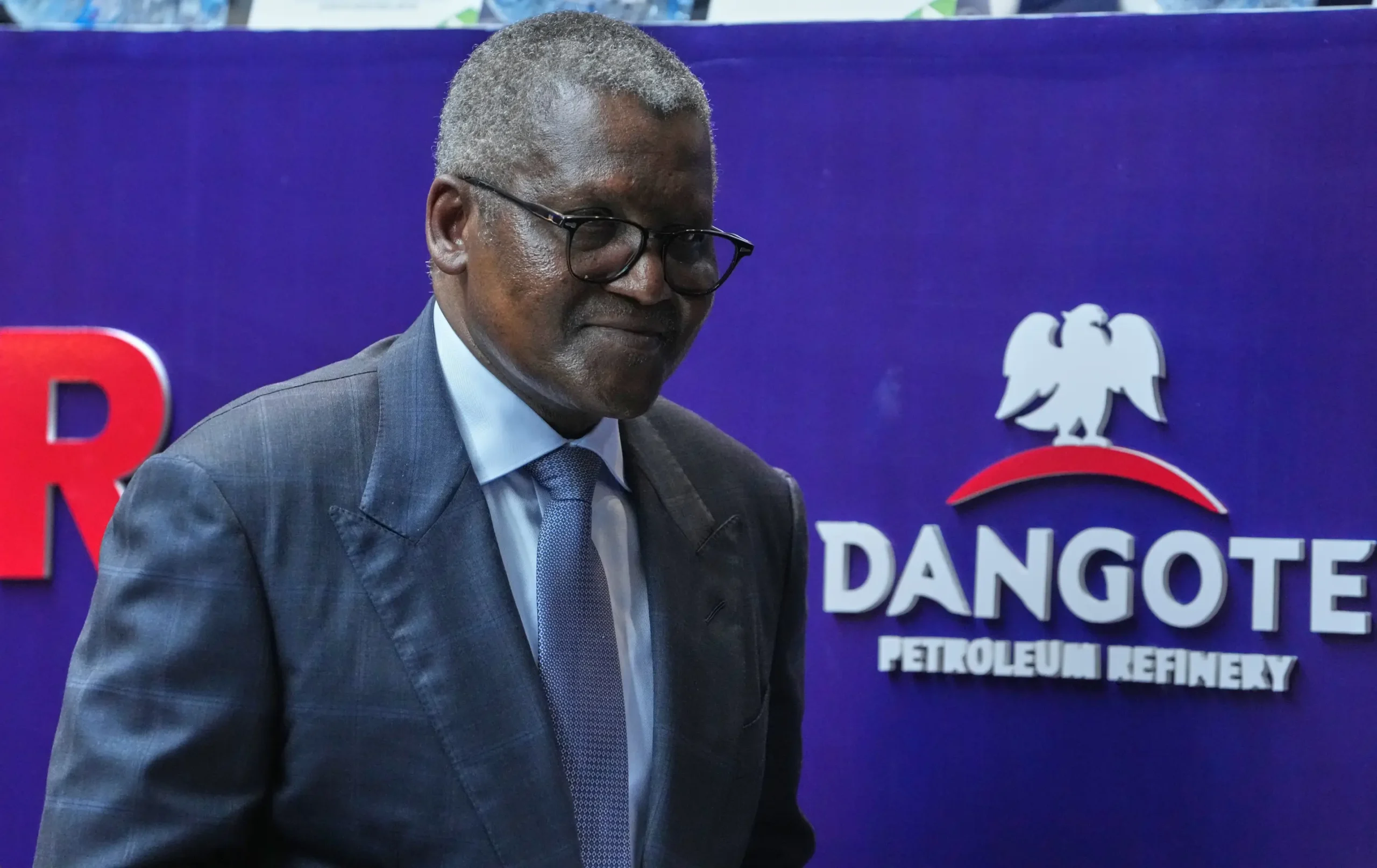
NAIROBI, Sept 30 – Nigerian billionaire Aliko Dangote and Kenyan President William Ruto are set to break ground on Wednesday for a $16 billion oil refinery in Kenya, marking the start of a project designed to strengthen petroleum supply across East Africa.
The refinery, planned for Kenya’s second deep-water port at Lamu, is expected to begin operations in 2030. Dangote is seeking to replicate the model of his 700,000-barrel-per-day refinery in Nigeria, which has helped shift the country from a major importer of refined petroleum products toward becoming an exporter.
The Kenyan project is being developed as countries across East Africa, including Kenya and Uganda, move toward developing their own crude oil resources. Its proponents expect the refinery to reduce the region’s dependence on imported refined fuels, lower petroleum costs and conserve foreign exchange.
“When you look at East Africa, not only East Africa, most of all the 54 countries in Africa, they import petroleum products,” Dangote told reporters in Nairobi on Tuesday.
“What we are trying to do is to make sure that we become self-sufficient in whatever we consume.”
Dangote has also offered regional governments a combined 30% stake in the proposed refinery, potentially giving participating states an ownership interest in a major downstream energy project.
East Africa faces large refining gap
The scale of the project reflects the region’s growing petroleum demand and limited refining capacity. David Ndii, chief economic adviser to President Ruto, estimated annual petroleum-product demand across the region at between 20 million and 30 million metric tons.
Meeting that level of consumption would require more than 1 million barrels per day of refining capacity, according to a financier involved in African refinery projects.
The refinery is therefore being positioned not only as a Kenyan infrastructure project but as a potential regional supply hub serving a wider East African market.
The project comes amid heightened fuel-price pressures across the region. Rising international energy costs have contributed to higher pump prices and increased pressure on governments and consumers, underscoring the economic importance of expanding domestic and regional refining capacity.
Kenya project faces challenges
Despite the scale of the investment, the Lamu refinery faces several challenges that could complicate efforts to replicate Dangote’s Nigerian model. One of the central issues is crude supply. Kenya’s own oil resources are still developing, while the broader region has limited crude production compared with the scale of refining capacity envisaged by the project.
The refinery will also require significant supporting infrastructure to move crude into the facility and distribute refined products across East African markets.
Kenyan officials have said the project could generate more than 50,000 jobs and support the development of downstream industries, including petrochemicals and bitumen production.
However, environmental groups and conservationists have raised concerns about the potential impact of the development on the surrounding Lamu ecosystem. Lamu Old Town, a UNESCO World Heritage site, is located near fragile marine and coastal environments that campaigners say could be affected by large-scale industrial activity.
Legal challenges could also influence the project’s development timetable. Kenya’s High Court has ordered the preservation of parts of the project site pending a hearing in a case brought by local residents.
Dangote has attributed opposition to the project to traders and businesses whose existing commercial interests could be affected by the refinery.
If completed as planned, the Lamu facility would represent a major expansion of East Africa’s refining infrastructure and could alter the region’s dependence on imported petroleum products. Its viability, however, will depend on securing crude supplies, developing the necessary logistics infrastructure and navigating environmental and legal challenges.
