
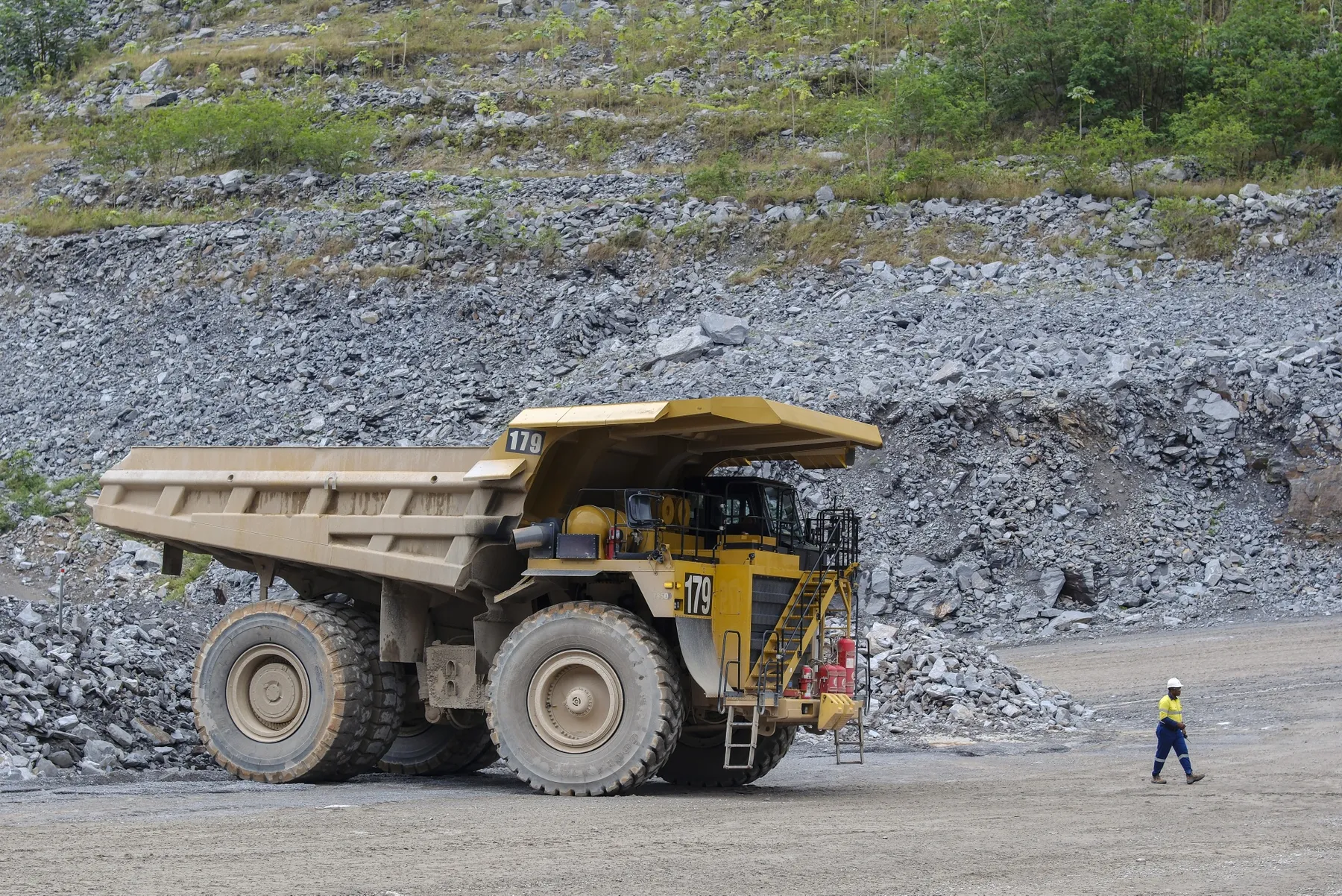
ACCRA, Sept 30 – Ghana’s Environmental Protection Authority (EPA) has issued a pre-closure notice to Chinese-owned Cardinal Namdini Mining over an alleged failure to promptly report an accident, as the regulator intensifies environmental enforcement across the country’s mining industry.
EPA Deputy Chief Executive for Operations Michael Ayamga told Reuters that the notice partly relates to an alleged incident involving the decoupling of a tailings pipeline, which resulted in a spill from a system used to transport mine waste.
The regulator is also reviewing findings from a recent inspection of Gold Fields’ Tarkwa operation and has taken enforcement action against other mining companies over environmental compliance issues.
The EPA shut down Chinese-owned Earl International Group the previous week over what Ayamga described as a legacy compliance issue linked to illegal gold-mining activity. An Earl spokesperson subsequently said the company had addressed the regulator’s concerns and had been cleared to resume operations on September 28 after receiving an environmental permit.
The regulator also fined AngloGold Ashanti’s Iduapriem mine last year for environmental breaches, although Ayamga did not disclose details of the violations. Cardinal Namdini, which is owned by China’s Shandong Gold, and AngloGold did not immediately respond to requests for comment.
EPA Shifts Toward Continuous Monitoring
The increased enforcement comes as Ghana seeks to strengthen oversight of its mining industry, including measures aimed at increasing government revenue, expanding local participation and improving compliance.
The government has raised mining royalties, expanded local-content requirements and is advancing changes to the mining framework intended to increase state oversight and Ghanaian participation in the sector.
For the EPA, the focus is shifting from periodic inspections toward more continuous monitoring and enforcement, including environmental, social and governance assessments across mining operations.
“We don’t want to be reactive but proactive,” Ayamga said. “We want to move beyond one-off visits and audits to enforcement.”
Ghana’s mining sector is particularly significant to the economy, with gold representing a major source of mineral export earnings. The country has also been strengthening regulatory measures around artisanal and small-scale mining and its environmental impact. Ghana’s EPA has ongoing programmes focused on improving environmental management and reducing pollution associated with mining activities.
Gold Fields Tarkwa Under Review
The EPA recently received a report from its inspection team following an assessment of Gold Fields’ Tarkwa mine. Management is reviewing the findings to determine whether further engagement with the company is necessary, Ayamga said.
Gold Fields said it was notified on September 14 that the EPA intended to conduct a broad environmental, social, governance and socioeconomic impact assessment at Tarkwa.
The company said it had requested additional time to review the scope of the assessment and obtain external advice before determining its position.
Gold Fields also said Tarkwa remains subject to regular monitoring, independent assurance and regulatory oversight. The company said the operation has maintained ISO 14001 environmental certification for 23 years and International Cyanide Management Code certification for 18 years.
The scrutiny comes as Gold Fields works to secure the longer-term future of Tarkwa, whose mining lease is due to expire in 2027 following the loss of the smaller Damang operation last year.
The latest regulatory actions underline the increasing importance of environmental compliance in Ghana’s mining industry as authorities seek to balance gold production and investment with greater state oversight and environmental standards.
