
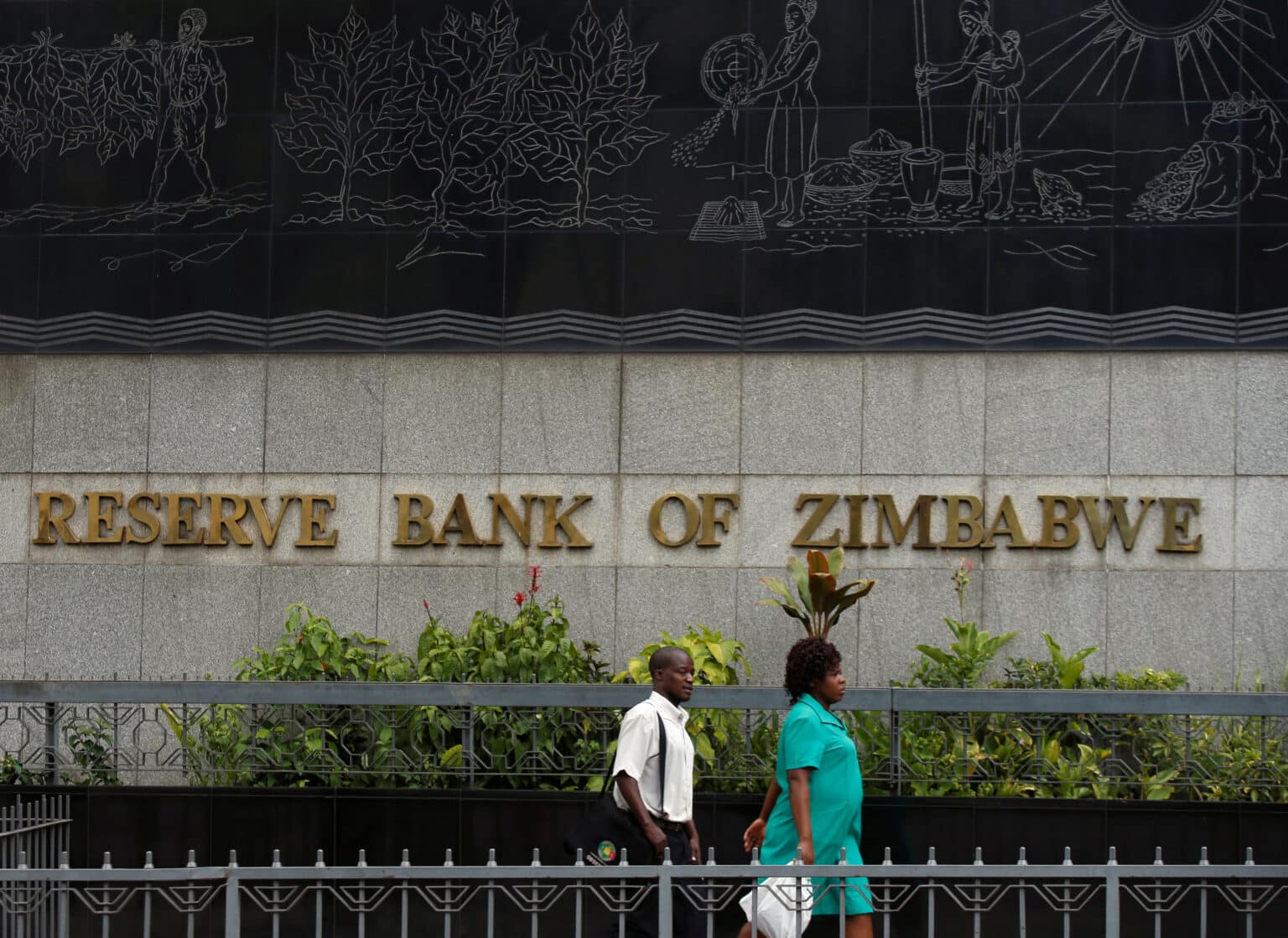
HARARE, Sept 29 – Zimbabwe’s central bank has cut its benchmark lending rate to 27.5% from 30%, continuing its monetary easing cycle as inflation remains relatively contained.
The Reserve Bank of Zimbabwe announced the reduction on Monday, citing stable inflation conditions. The decision follows a larger 5 percentage-point rate cut in June, bringing the cumulative reduction this year to 7.5 percentage points.
Zimbabwe’s annual inflation rose to 3.7% in September, from 2.9% in August. Despite the increase, price growth remains significantly below the levels that have historically forced the country into more aggressive monetary and currency measures.
The August inflation reading of 2.9% was the lowest recorded since 1980, highlighting the sharp change in Zimbabwe’s inflation environment following years of severe price instability.
The country experienced episodes of hyperinflation during the 2000s that ultimately led authorities to abandon the local currency in favour of foreign currencies, particularly the US dollar.
Monetary Conditions Improve
Zimbabwe made another attempt to establish a domestic currency in 2024, introducing the Zimbabwe Gold (ZiG) as part of efforts to strengthen monetary stability and reduce dependence on foreign currencies.
Inflation began declining significantly during the second half of 2025, eventually falling into single digits in January 2026, marking the first time in more than three decades that Zimbabwe had achieved single-digit inflation at the start of a year.
The latest rate cut signals greater scope for monetary easing as the central bank responds to the comparatively stable inflation environment.
However, the September increase in consumer prices from August underscores the need for continued monitoring of inflation pressures as policymakers balance lower borrowing costs with the objective of maintaining price stability.