
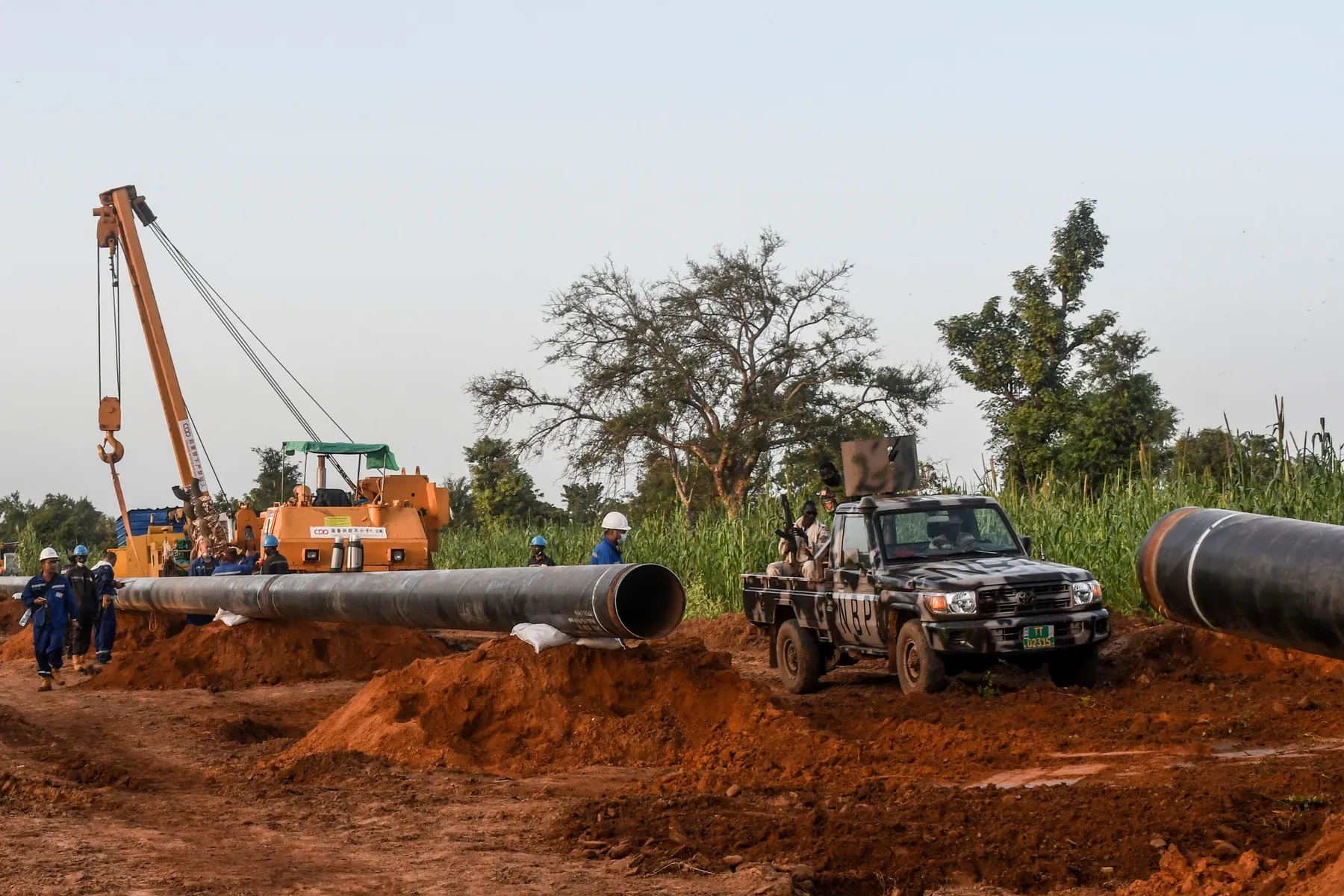
NIAMEY, May 19 – Niger has secured a 45% stake in the company operating the Niger-Benin crude export pipeline after renegotiating terms with Chinese partners, as Beijing moves to strengthen oil supply security amid global market disruptions.
The West African country, which previously did not hold an effective ownership position in the export route, will now own 45% of the West African Oil Pipeline Co., according to a statement from Niger’s foreign ministry and state television reports.
Authorities also negotiated a reduction in pipeline transport tariffs to $15 per barrel from $27 previously, a move officials estimate could save the government about $106 million annually.
The revised agreement additionally allows export revenues to be repatriated directly to Niger, giving the military-led government greater control over oil income, which has become an increasingly strategic revenue source for the country.
The agreement comes as China intensifies efforts to diversify crude supply sources amid geopolitical tensions and disruptions to Middle East energy flows.
China National Petroleum Corp. and Niger also agreed to revive the Dinga Deep and Abolo-Yogou oil projects in deals expected to attract approximately $1 billion in investment.
Niger is part of a broader trend among military-led governments in West Africa seeking larger state participation and higher revenues from natural resources.
Authorities in Niger, alongside neighboring Mali and Burkina Faso, have tightened local-content regulations, revised mining and energy laws and sought to increase state participation in strategic industries.
The government expects national crude production to rise to 145,000 barrels per day by 2029 from around 110,000 barrels currently, supported by increased exports through the nearly 2,000-kilometer pipeline linking Niger’s Agadem oil basin to a port in Benin.
The latest agreement follows tensions last year between Niger’s authorities and CNPC-linked firms, when senior executives connected to the pipeline operator were ordered to leave the country over alleged violations of local employment and subcontracting requirements.
Zhang Yu, chief executive officer of CNPC-NP Niger, said both parties prioritized dialogue and long-term cooperation during negotiations.
Security risks remain a challenge for the sector, with militant groups previously targeting CNPC-linked oil infrastructure in Niger’s oil-producing Agadem region.
