
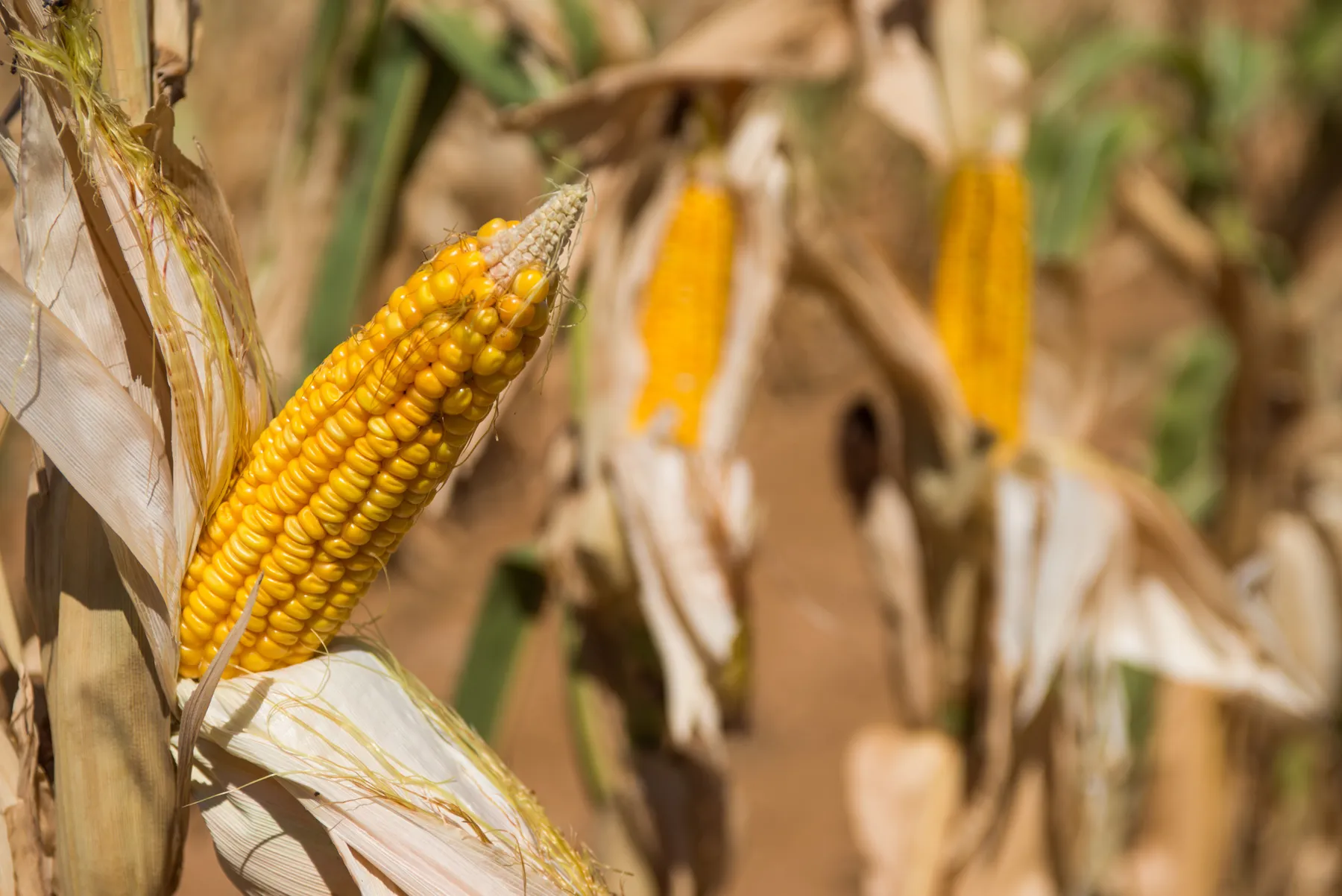
LUSAKA, May 19 – Zambia’s staple corn harvest is expected to exceed 4.1 million metric tons this year, according to the country’s millers association, marking a second consecutive record crop that could help moderate inflation pressures.
Andrew Chintala, president of the Millers Association of Zambia, said the projected harvest would represent a roughly 6% increase from the final 2025 estimate of 3.87 million tons.
The forecast is based on field assessments conducted across key farming regions, Chintala said during an interview on state television.
The Zambian government is expected to release its official crop forecast in the coming weeks.
A larger harvest could help ease food inflation at a time when higher global fuel prices and supply-chain disruptions linked to geopolitical tensions continue to pressure consumer prices across Africa.
Corn is Zambia’s primary staple food and plays a critical role in inflation dynamics because of its importance in the production of mealie meal, the country’s most widely consumed food product.
Economists say another bumper harvest could help stabilize domestic food prices and reduce pressure on the central bank as it seeks to keep inflation within its target range.
However, the strong harvest may also increase fiscal pressure on the government ahead of Zambia’s August elections.
Authorities are likely to face demands to expand grain purchases from farmers through state-backed buying programs, particularly after similar interventions following last year’s harvest created large payment obligations to growers that took months to clear.
The government has historically used crop purchases to support farmer incomes and maintain strategic food reserves, though the programs have at times strained public finances.
The expected production increase comes after favorable rainfall conditions helped improve agricultural output across much of southern Africa following previous drought-related disruptions.
Agriculture remains a major pillar of Zambia’s economy, employing a significant share of the population and contributing heavily to rural incomes and food security.
