
– Business, Finance, Markets & Economic News
  • Home
  • Economy
  • Business
  • Markets
  • Finance
  • Credit Ratings
  • Policy
  • Tech
– Business, Finance, Markets & Economic News
  • Home
  • Economy
  • Business
  • Markets
  • Finance
  • Credit Ratings
  • Policy
  • Tech
Top News
TotalEnergies Completes $800 Million Sale of Nigerian Oil Interests to Vaaris
Tanzania Discovers 223 Billion Cubic Feet of Gas in First Major Find in Over a Decade
AFC Selects Webuild, Odebrecht-Led Groups for 830 km Lobito Corridor Railway
Nigeria’s Tinubu Seeks Approval for $20.5 Billion and €1.04 Billion Borrowing Plan
Morocco Overtakes South Africa as Africa’s Fourth-Most Attractive Investment Destination
Nigeria’s Dangote Refinery IPO Attracts $1.6 Billion From Investors in 119 Countries
Nigeria’s Refineries Receive 127 Million Barrels of Domestic Crude in Nine Months
AFC, Munich Re Launch $1 Billion African Trade Finance Risk-Sharing Programme
Eni Completes Sale of Nigerian Oil and Gas Unit AENR to Sterling-Owned APEX
Egypt Signs Preliminary $650 Million Financing Deal for 1GW Solar Project
Ramaphosa Credits SARS Recovery for Stronger South African Public Finances
Nigeria Targets Single-Digit Inflation Before End-2027, Finance Minister Says
Moody’s Sees South Africa Medium-Term Budget as Credit Positive, Cuts Deficit Target to 3.9%
Honeywell Technologies Launches New Industrial AI Platform at Nigeria’s Dangote Refinery
Airtel Money Reports $830 Million Revenue After London Listing as Profit Rises 21%
SUBSCRIBE
– Business, Finance, Markets & Economic News
Subscribe
– Business, Finance, Markets & Economic News
  • Home
  • Economy
  • Business
  • Markets
  • Finance
  • Credit Ratings
  • Policy
  • Tech
Copyright 2026 - All Right Reserved
Home » Energy » Kenya Reduces Diesel Prices Following Deadly Protests Over Rising Fuel Costs
Energy

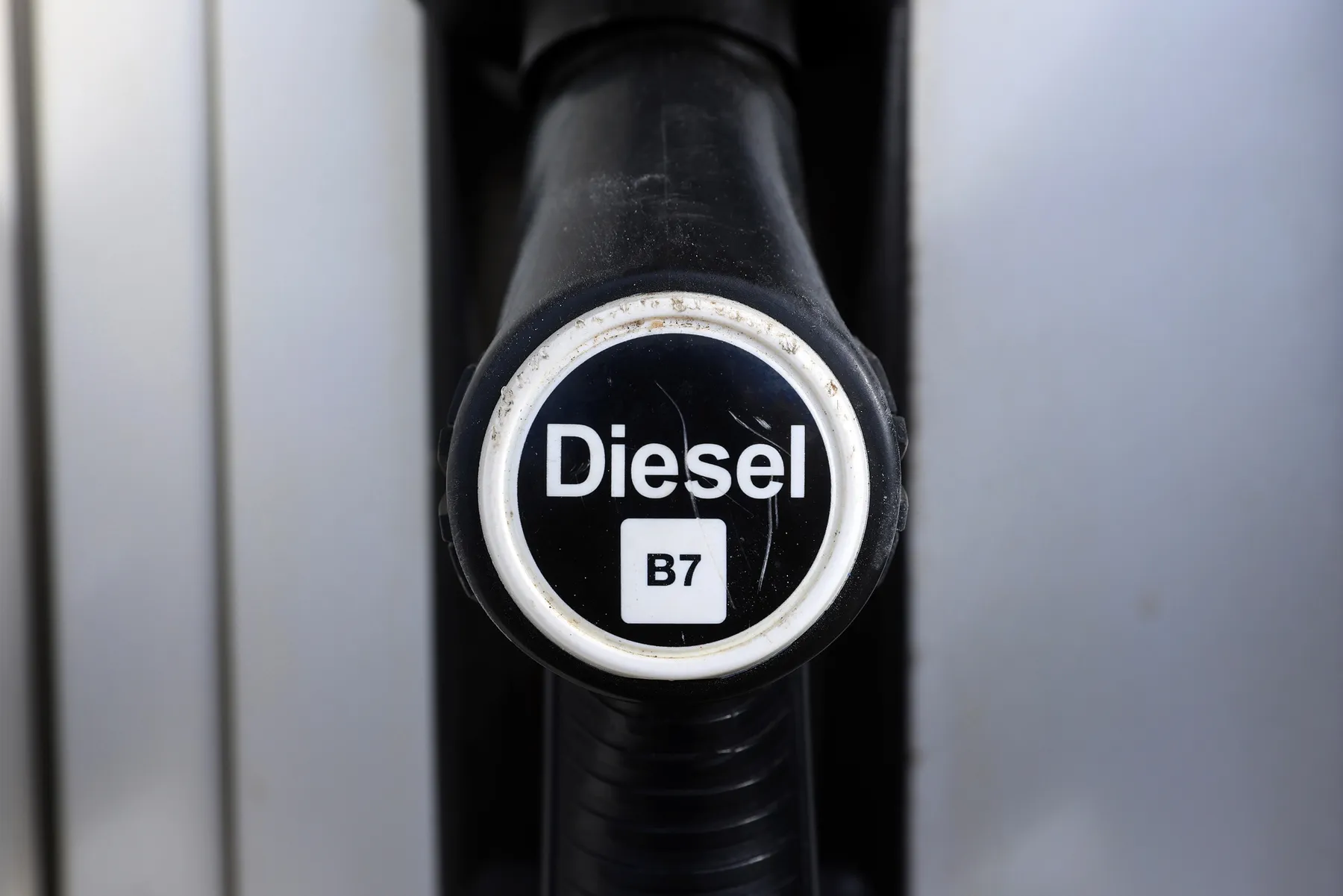
Kenya Reduces Diesel Prices Following Deadly Protests Over Rising Fuel Costs

by Emmanuel Ebube May 19, 2026
written by Emmanuel Ebube May 19, 2026
FacebookTwitterLinkedinEmail
139

NAIROBI, May 19 – Kenya has reduced diesel prices following deadly nationwide protests over rising fuel costs, as the government moves to contain growing public anger over the cost of living.

The country’s Energy and Petroleum Regulatory Authority said Tuesday that diesel prices were cut by 7% after petitions from public transport operators and mounting pressure from commuter groups.

The move came after at least four people were killed during protests on Monday organized by operators of Kenya’s minibus taxi network, which forms the backbone of the country’s urban transport system.

Talks between transport unions and the energy ministry later ended without a broader agreement. Fuel costs in Kenya have surged since the outbreak of conflict involving the United States, Israel and Iran disrupted shipping through the Strait of Hormuz, a critical route for global oil supplies.

You Might Be Interested In
  • South Africa Approves Higher Eskom Electricity Tariffs for 2026–27

The government previously reduced fuel value-added tax to 8% from 16% in April, a measure estimated to have reduced state revenue by 24 billion shillings ($185.6 million) over two months.

Authorities have also deployed 11.2 billion shillings from a fuel stabilization fund to cushion consumers against higher prices and plan to inject an additional 5 billion shillings ahead of the next monthly fuel-price review.

The sharp increase in global energy prices has added pressure to Kenya’s import-dependent economy, which the International Monetary Fund already classifies as facing a high risk of debt distress.

Business groups including the Kenya National Chamber of Commerce and Industry have criticized the large share of taxes and levies embedded in fuel prices, including road-maintenance and railway development charges that account for roughly one-third of pump prices.

John Mbadi said the interventions are aimed at reducing pressure on households and transport operators as inflation accelerates.

Despite the measures, Kenya’s inflation rate climbed to a two-year high in April, moving above the midpoint of the central bank’s target range.

The unrest highlights mounting economic pressure across several African economies heavily exposed to rising energy import costs following the escalation of geopolitical tensions in the Middle East.

Similar transport-related protests recently occurred in Comoros, where a strike over fuel-price increases disrupted transport activity and forced the government to temporarily reverse some price hikes.

Read Next

  • Libya Signs Chevron Deal to Assess 123 Trillion Cubic Feet Gas Reserves

    April 29, 2026
  • US Funds African Rare Earth Projects as Private Investors Stay Away

    August 20, 2026
  • Rwanda Secures $250 Million IMF Loan Deal to Support Economic Reforms

    April 2, 2026
  • Guinea, EGA Close in on Deal to Settle Bauxite Asset Dispute

    March 27, 2026
  • Zambia Moves to Repurchase 2053 Bond with Support from $600 Million AfDB Loan

    June 1, 2026

Newsletter

Subscribe to our newsletter for trusted insights on Africa’s economies, markets, and business.

African Economy Inc. Logo

About Us

We are a business and economic intelligence platform delivering in-depth reporting, analysis, and insights on markets, companies and economic developments across Africa.

Our Company

  • AEI Intelligence
  • About
  • Editorial Standard
  • Partnerships
  • Advertise With Us
  • Careers
  • Ownership

News

  • Economy
  • Business
  • Markets
  • Finance
  • Credit Ratings
  • Policy
  • Tech

Useful Links

  • Privacy Policy
  • Terms of Use
  • Closed Captioning Policy
  • Accessibility Statement
  • Personal Information
  • Data Tracking
  • Register New Account

Subscribe Newsletter

Subscribe to our newsletter for trusted insights on Africa’s economies, markets, and business.

©2026 Majons Media Inc. All Rights Reserved.

Facebook Twitter Instagram Linkedin
Manage Consent
To provide the best experiences, we use technologies like cookies to store and/or access device information. Consenting to these technologies will allow us to process data such as browsing behavior or unique IDs on this site. Not consenting or withdrawing consent, may adversely affect certain features and functions.
Functional Always active
The technical storage or access is strictly necessary for the legitimate purpose of enabling the use of a specific service explicitly requested by the subscriber or user, or for the sole purpose of carrying out the transmission of a communication over an electronic communications network.
Preferences
The technical storage or access is necessary for the legitimate purpose of storing preferences that are not requested by the subscriber or user.
Statistics
The technical storage or access that is used exclusively for statistical purposes. The technical storage or access that is used exclusively for anonymous statistical purposes. Without a subpoena, voluntary compliance on the part of your Internet Service Provider, or additional records from a third party, information stored or retrieved for this purpose alone cannot usually be used to identify you.
Marketing
The technical storage or access is required to create user profiles to send advertising, or to track the user on a website or across several websites for similar marketing purposes.
  • Manage options
  • Manage services
  • Manage {vendor_count} vendors
  • Read more about these purposes
View preferences
  • {title}
  • {title}
  • {title}
– Business, Finance, Markets & Economic News
  • Economy
  • Business
  • Markets
  • Banking & Finance
  • Energy
  • Tech
  • Policy
  • African Economy Inc.