
African Economy Inc.
  • Home
  • Economy
  • Business
  • Markets
  • Finance
  • Credit Ratings
  • Policy
  • Tech
African Economy Inc.
  • Home
  • Economy
  • Business
  • Markets
  • Finance
  • Credit Ratings
  • Policy
  • Tech
Tuesday, August 18, 2026
Top News
IMF Raises Egypt Growth Outlook to 4.6% on Stronger Investment, Tourism and Exports
Nigeria Headline Inflation Falls to 15.43% in July, Statistics Office Says
Nigerian Defence-Tech Startup Terra Industries Closes $52 Million Seed Round
Steadright Secures Mining Licence for TitanBeach Titanium Project in Morocco
Nigeria Central Bank Relaxes Rule, Open OMO Market to More Investors
Thungela Resources Profit More Than Doubles on Increase in Coal Prices
South Africa Renewable Energy Plans Face Grid Capacity Problems
DR Congo Ebola Outbreak Becomes Deadliest in the Country’s History
Madagascar Imports 63,000 Cubic Metres of Diesel as State Takes Control of Fuel Imports
South Africa Targets 2028 for Central Clearing Rules on OTC Derivatives
Fitch Upgrades Republic of Congo’s Local-Currency Rating to CCC+ on Lower Debt Risks
Nigeria’s Exports to China Surge 80% to $2.3 Billion in First Half of 2026
Resolute Mining and Guinea’s Nimba Mining Gold Form Joint Venture for Gold Exploration
Uganda Central Bank Holds Rate at 9.75% as Inflation Remains Contained
Nigeria Oil Production Falls 4% in July to 1.505 Million Barrels Per Day
SUBSCRIBE
African Economy Inc.
Subscribe
African Economy Inc.
  • Home
  • Economy
  • Business
  • Markets
  • Finance
  • Credit Ratings
  • Policy
  • Tech
Copyright 2026 - All Right Reserved
Home » Rwanda Secures $250 Million IMF Loan Deal to Support Economic Reforms
Economy

Rwanda Secures $250 Million IMF Loan Deal to Support Economic Reforms

by Emmanuel Ebube April 2, 2026
written by Emmanuel Ebube April 2, 2026
FacebookTwitterLinkedinEmail
109

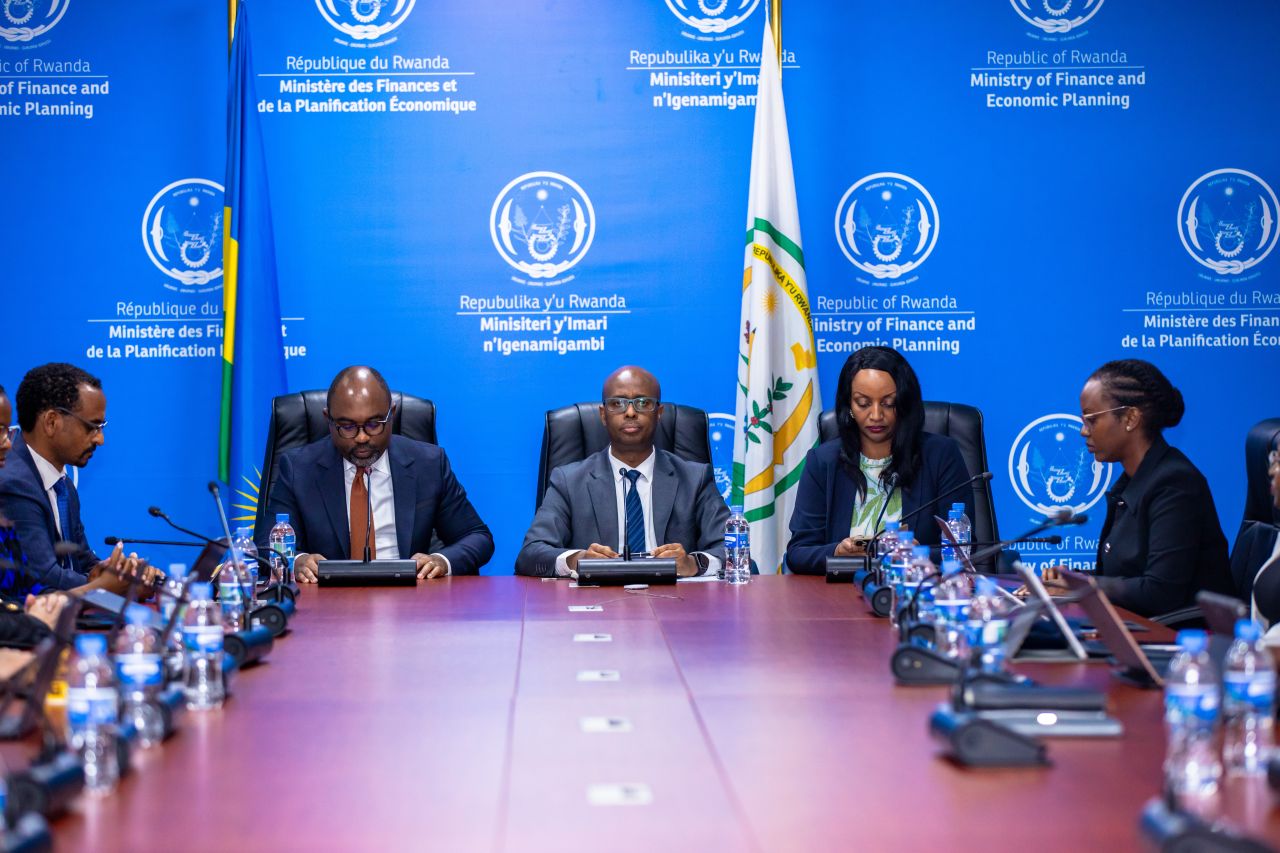
KIGALI, April 2 – Rwanda has reached a staff-level agreement with the International Monetary Fund on a 38-month loan program worth SDR 185 million, approximately $250 million, under the Extended Credit Facility (ECF). The agreement is subject to final approval by the IMF’s management and Executive Board, expected in June 2026.

The program is designed to help Rwanda sustain its reform momentum, maintain macroeconomic stability, and rebuild financial buffers amid growing global uncertainty, particularly from geopolitical tensions in the Middle East.

According to Finance Minister Yusuf Murangwa, the facility will cushion the economy against external shocks while supporting long-term growth and structural transformation.

The ECF program is anchored on three key pillars: strengthening economic policy coordination, managing fiscal and debt risks, and promoting private-sector-led growth with improved governance of state-owned enterprises.

You Might Be Interested In
  • Nigeria, World Bank Align on Energy, Agriculture and Trade Reforms

Rwanda’s economy has shown strong resilience, expanding by 9.4% in 2025, significantly above expectations. However, inflation has risen to 9.2% as of February 2026, exceeding the central bank’s target, while global pressures driven by rising oil and fertilizer prices continue to weigh on the outlook.

Albert Touna Mama noted that while Rwanda’s economic performance remains robust, prolonged geopolitical tensions and tighter global financing conditions could strain inflation, external balances, and public debt levels. Growth is projected to moderate to 6.8% in 2026.

Despite these challenges, Rwanda’s external position improved in 2025, supported by strong exports of coffee and minerals, while foreign exchange reserves remain at comfortable levels, covering more than four months of imports. Ongoing tax reforms have also strengthened domestic revenue mobilization.

Under the new program, Rwanda will implement reforms to enhance fiscal discipline, improve debt sustainability, and support private sector development. This includes executing a credible medium-term fiscal framework, tightening control over foreign-funded capital spending, and strengthening risk management systems while safeguarding social and priority expenditures.

Monetary policy is expected to remain tight as the central bank works to bring inflation back toward its medium-term target of 5%. Greater exchange rate flexibility, supported by market-based mechanisms, will also play a role in absorbing external shocks and strengthening reserves.

The agreement reflects Rwanda’s continued commitment to economic reform and resilience, positioning the country to navigate global uncertainties while advancing its long-term development agenda.

Read Next

  • Angola’s Sonangol Raises $2.65 Billion Financing to Support Operations and Growth

    June 17, 2026
  • Nigerian Defence-Tech Startup Terra Industries Closes $52 Million Seed Round

    August 17, 2026
  • Refiant AI Secures $5 Million Seed Funding to Advance Low-Compute AI Model Technology

    April 10, 2026
  • Can South Africa Leverage Global Attention Into Influence?

    January 27, 2026
  • Uganda Coffee Export Volumes Rise in March, but Earnings Hit by Lower Prices

    May 5, 2026

Newsletter

Subscribe to our newsletter for trusted insights on Africa’s economies, markets, and business.

African Economy Inc. Logo

About Us

We are a business and economic intelligence platform delivering in-depth reporting, analysis, and insights on markets, companies and economic developments across Africa.

Our Company

  • AEI Intelligence
  • About
  • Editorial Standard
  • Partnerships
  • Advertise With Us
  • Careers
  • Ownership

News

  • Economy
  • Business
  • Markets
  • Finance
  • Credit Ratings
  • Policy
  • Tech

Useful Links

  • Privacy Policy
  • Terms of Use
  • Closed Captioning Policy
  • Accessibility Statement
  • Personal Information
  • Data Tracking
  • Register New Account

Subscribe Newsletter

Subscribe to our newsletter for trusted insights on Africa’s economies, markets, and business.

©2026 Majons Media Inc. All Rights Reserved.

Facebook Twitter Instagram Linkedin
African Economy Inc.
  • Economy
  • Business
  • Markets
  • Banking & Finance
  • Energy
  • Tech
  • Policy