
African Economy Inc.
  • Home
  • Economy
  • Business
  • Markets
  • Finance
  • Credit Ratings
  • Policy
  • Tech
African Economy Inc.
  • Home
  • Economy
  • Business
  • Markets
  • Finance
  • Credit Ratings
  • Policy
  • Tech
Wednesday, August 19, 2026
Top News
Equinor Acquires 17.4% Stake in Namibia’s Orange Basin From Chevron
Mali Gold Production Rises 30% in First Half of 2026 as Mines Rebound
US Lifts 12-Year Port Restriction on Nigerian Vessels, Boosting Maritime Trade Prospects
Ninety One Closes $404 Million Africa Credit Fund as Private Debt Demand Grows
South Africa Business Confidence Rises to 125.4 in July Amid Inflation Pressures
IMF to Resume Senegal Talks as Country Moves Toward New Lending Programme
ExxonMobil Awards $1.1 Billion in Contracts for Mozambique’s Rovuma LNG Project
Nigeria’s ATM Transactions Rises as PoS Volumes Fall by 20%
Nigeria Unveils National Digital Cloud Policy, Targets $750 Million Investment
Zambia’s Hichilema Wins Second Term as Opposition Gains Ground Amid Economic Strains
IMF Raises Egypt Growth Outlook to 4.6% on Stronger Investment, Tourism and Exports
Nigeria Headline Inflation Falls to 15.43% in July, Statistics Office Says
Nigerian Defence-Tech Startup Terra Industries Closes $52 Million Seed Round
Steadright Secures Mining Licence for TitanBeach Titanium Project in Morocco
Nigeria Central Bank Relaxes Rule, Open OMO Market to More Investors
SUBSCRIBE
African Economy Inc.
Subscribe
African Economy Inc.
  • Home
  • Economy
  • Business
  • Markets
  • Finance
  • Credit Ratings
  • Policy
  • Tech
Copyright 2026 - All Right Reserved
Home » Ghana Raises Gold Delivery Target to 30% as Central Bank Builds Reserves
Commodities

Ghana Raises Gold Delivery Target to 30% as Central Bank Builds Reserves

by Emmanuel Ebube May 18, 2026
written by Emmanuel Ebube May 18, 2026
Ghana
FacebookTwitterLinkedinEmail
76

ACCRA, May 18 – Ghana has asked large-scale gold miners to supply 30% of annual production to the central bank as it expands its bullion accumulation programme, according to a senior official, though negotiations over pricing and delivery terms remain unresolved.

The proposal marks an increase from the current 20% requirement under the country’s revised gold reserve strategy, which aims to strengthen foreign-exchange buffers and stabilize the cedi.

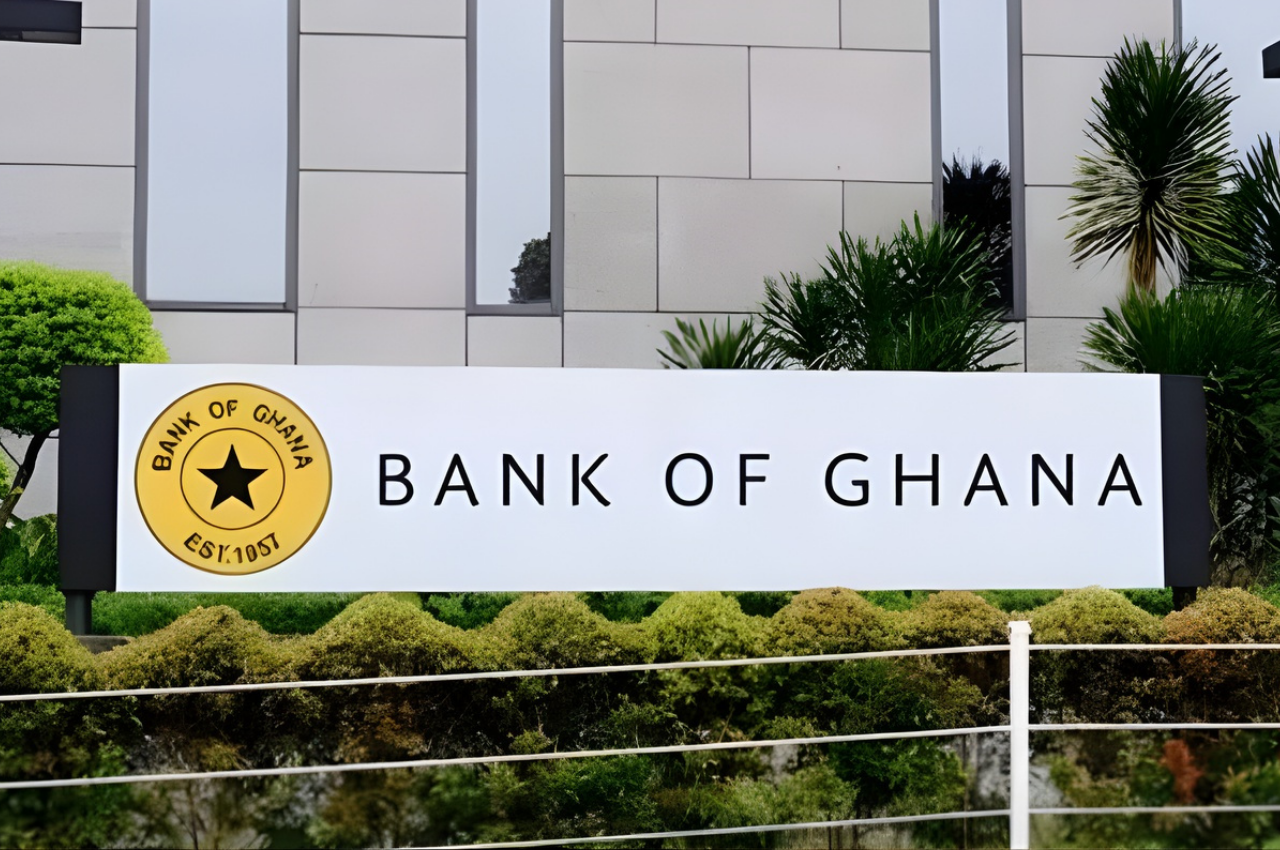
The initiative builds on a bullion purchase programme launched in 2022 by the Bank of Ghana, which has positioned gold as a core reserve asset amid elevated global prices and tightening external financing conditions.

Ghana, Africa’s largest gold producer, has been increasing state gold accumulation as central banks globally diversify reserves away from traditional currencies.

You Might Be Interested In
  • Guinea’s Bauxite Exports Jump 25% in 2025 as Chinese Demand Deepens

Gold reserves rose to 19.2 metric tons in February, according to central bank data, supporting efforts to rebuild external stability following the country’s recent debt and currency pressures.

Under the revamped framework, the central bank is targeting as much as 157 tons of gold reserves by 2028, equivalent to roughly 15 months of import cover.

Paul Bleboo, head of the central bank’s Gold Management Programme, said the new target includes a requirement for industrial miners to deliver all of the 30% allocation in doré form to improve traceability and reserve accounting.

The state-backed trader GoldBod is expected to act as the sole channel for exports, ensuring tighter oversight of physical gold flows.

However, miners have raised concerns over the commercial structure of the revised agreement.

Industry participants say discussions over pricing, discounts and valuation remain unresolved, with the Ghana Chamber of Mines cautioning that negotiations are ongoing.

Ghana Chamber of Mines Chief Executive Kenneth Ashigbey said the talks are still in progress and no final agreement has been reached.

Mining companies have also raised objections to proposed discounts on offtake volumes, arguing that valuation adjustments and treatment of by-products such as silver could affect project economics.

The central bank has defended a proposed discount of under 1%, saying it reflects refining, logistics and purity costs associated with building sovereign reserves.

Officials acknowledge that earlier production plans were structured around a 20% supply commitment, and miners are proposing a gradual transition toward the higher threshold.

The Bank of Ghana reported an operating loss of 15.6 billion cedis in 2025, largely driven by the cost of monetary tightening and reserve accumulation linked to its gold purchase strategy.

The outcome of negotiations will determine how quickly Ghana can scale its gold reserves as it seeks to reinforce macroeconomic stability and strengthen external buffers.

Read Next

  • AfCFTA Pushes Nigeria’s Intra-African Trade to $9.02 Billion in 2025

    July 1, 2026
  • Kenya Weighs Up to $500 Million Eurobond Buyback to Ease Debt Repayment Pressure

    July 13, 2026
  • Uganda to Cut Domestic Debt Issuance by 21% in 2026/27 to Ease Fiscal Pressure

    December 18, 2025
  • Thungela Resources Profit More Than Doubles on Increase in Coal Prices

    August 17, 2026
  • Ivory Coast Faces Rising Unsold Cocoa Stocks as Price Dispute Slows Trade

    February 25, 2026

Newsletter

Subscribe to our newsletter for trusted insights on Africa’s economies, markets, and business.

African Economy Inc. Logo

About Us

We are a business and economic intelligence platform delivering in-depth reporting, analysis, and insights on markets, companies and economic developments across Africa.

Our Company

  • AEI Intelligence
  • About
  • Editorial Standard
  • Partnerships
  • Advertise With Us
  • Careers
  • Ownership

News

  • Economy
  • Business
  • Markets
  • Finance
  • Credit Ratings
  • Policy
  • Tech

Useful Links

  • Privacy Policy
  • Terms of Use
  • Closed Captioning Policy
  • Accessibility Statement
  • Personal Information
  • Data Tracking
  • Register New Account

Subscribe Newsletter

Subscribe to our newsletter for trusted insights on Africa’s economies, markets, and business.

©2026 Majons Media Inc. All Rights Reserved.

Facebook Twitter Instagram Linkedin
African Economy Inc.
  • Economy
  • Business
  • Markets
  • Banking & Finance
  • Energy
  • Tech
  • Policy