
African Economy Inc.
  • Home
  • Economy
  • Business
  • Markets
  • Finance
  • Credit Ratings
  • Policy
  • Tech
African Economy Inc.
  • Home
  • Economy
  • Business
  • Markets
  • Finance
  • Credit Ratings
  • Policy
  • Tech
Sunday, August 16, 2026
Top News
Fitch Upgrades Republic of Congo’s Local-Currency Rating to CCC+ on Lower Debt Risks
Nigeria’s Exports to China Surge 80% to $2.3 Billion in First Half of 2026
Resolute Mining and Guinea’s Nimba Mining Gold Form Joint Venture for Gold Exploration
Uganda Central Bank Holds Rate at 9.75% as Inflation Remains Contained
Nigeria Oil Production Falls 4% in July to 1.505 Million Barrels Per Day
India and SACU Launch Preferential Trade Talks to Expand Africa-India Commerce
Egypt Opens 2026 Oil and Gas Bid Round for 14 Exploration Blocks
Morocco Sets September 1 Deadline for Several 2026 Tax Payments
Standard Bank Half-Year Earnings Rise 10% to $1.62 Billion as Credit Costs Fall
Vodacom Appoints Former Airtel Africa CEO Segun Ogunsanya to Its Board
SEC Sets Time for Daily Trade Settlement Deadline for Nigeria’s Equities and Commodities Market
Central African Republic Inaugurates 50-MW Solar Plant to Expand Electricity Supply
Namibia Central Bank Holds Repo Rate at 6.75% as Growth Forecast Is Cut
Jumia Raises $50 Million From IFC and Axian to Expand E-Commerce Across Africa
Nigeria Considers Crude Pricing and Supply Changes to Support Local Refineries
SUBSCRIBE
African Economy Inc.
Subscribe
African Economy Inc.
  • Home
  • Economy
  • Business
  • Markets
  • Finance
  • Credit Ratings
  • Policy
  • Tech
Copyright 2026 - All Right Reserved
Home » Egypt Increases Fuel Prices Up to 17% Amid Global Energy Market Turmoil
Energy

Egypt Increases Fuel Prices Up to 17% Amid Global Energy Market Turmoil

by Emmanuel Ebube March 10, 2026
written by Emmanuel Ebube March 10, 2026
FacebookTwitterLinkedinEmail
157

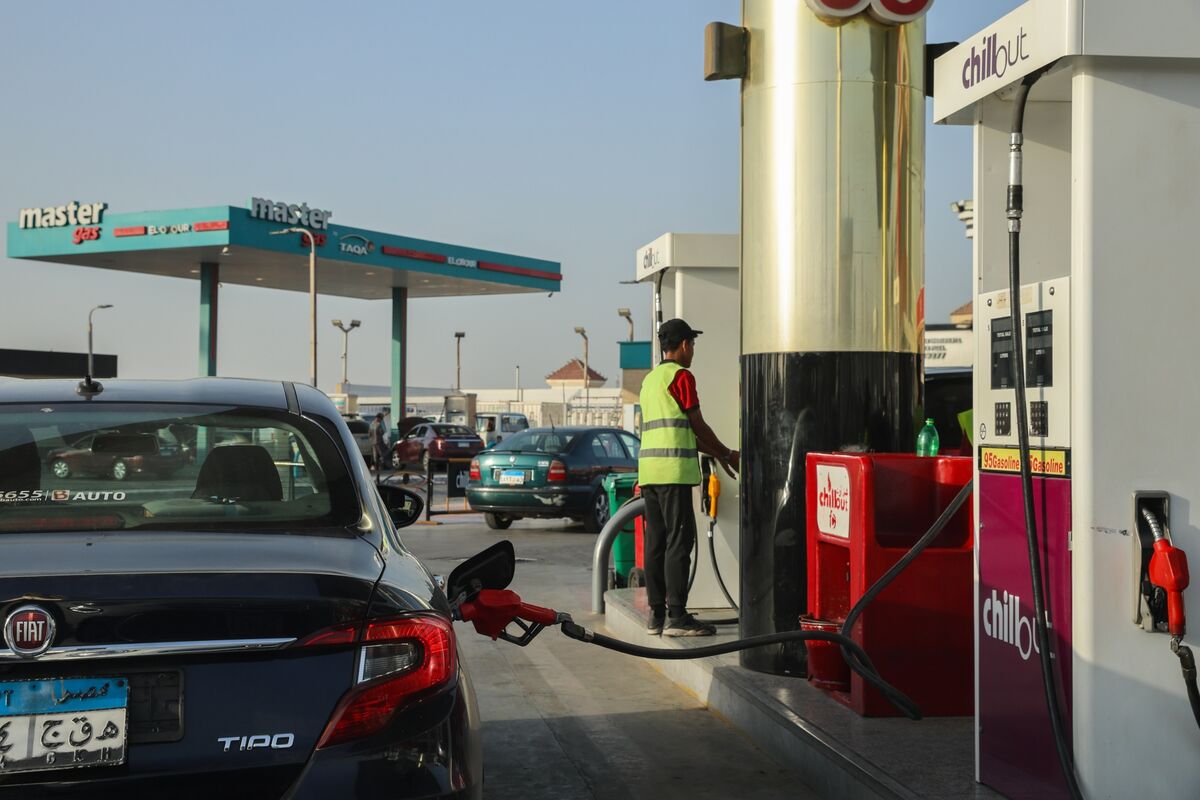
CAIRO, Mar 10 – Egypt has increased domestic fuel prices across several petroleum products as global energy markets face rising pressure from geopolitical tensions in the Middle East.

The country’s Egyptian Ministry of Petroleum and Mineral Resources announced the decision on Tuesday, citing extraordinary conditions in global energy markets driven by escalating regional conflict.

Officials said the move reflects the impact of geopolitical developments in the Middle East and their direct influence on international oil and gas prices.

The increases range between roughly 14% and 17% depending on the fuel type. Diesel, one of the most widely used fuels in Egypt, rose by 3 Egyptian pounds to 20.50 pounds per litre, up from 17.50 pounds.

You Might Be Interested In
  • ExxonMobil to Supply LNG to South Africa’s First Import Terminal at Richards Bay

Gasoline prices also increased across different grades. The price of 80-octane gasoline climbed to 20.75 pounds per litre, while 92-octane gasoline rose to 22.25 pounds. Premium 95-octane gasoline increased to 24 pounds per litre.

The adjustments mark the first fuel price increase in the country this year. The previous hike occurred in October, when prices were raised by between roughly 10.5% and 12.9%. At the time, authorities had indicated domestic fuel prices would remain unchanged for at least a year, citing uncertain economic conditions.

Earlier this month, Prime Minister Mostafa Madbouly warned that the government could adopt extraordinary measures if global fuel prices surged due to the ongoing conflict involving the United States and Israel against Iran.

Energy markets have been rattled by the conflict, which has disrupted shipping routes and energy infrastructure across the Gulf region. Attacks on ships and energy facilities have forced production interruptions in several Middle Eastern countries, including Qatar and Iraq.

Egypt’s fuel price adjustments also reflect broader economic reforms undertaken in recent years in cooperation with the International Monetary Fund.

The country first secured a $12 billion financial support programme from the IMF in 2016 as it sought to stabilise its economy following years of political and economic instability that followed the Arab Spring.

As part of those reforms, the IMF encouraged Egypt to gradually reduce subsidies on fuel, electricity and food while strengthening social protection programmes.

In March 2024, Egypt agreed to an expanded $8 billion financing arrangement with the IMF aimed at supporting further economic reforms and stabilising the country’s finances.

Read Next

  • Kenya Nears Critical Minerals Deal With US Focused on Domestic Processing

    June 18, 2026
  • S&P Downgrades Botswana Credit Rating Citing Weak Diamond Market Outlook

    March 14, 2026
  • Ghana Pays Down $1.47 Billion Energy Arrears to Stabilize Power Sector

    January 13, 2026
  • Shell Advances 2026 Drilling Plan in Namibia’s Orange Basin

    December 12, 2025
  • Angola’s Sonangol Raises $2.65 Billion Financing to Support Operations and Growth

    June 17, 2026

Newsletter

Subscribe to our newsletter for trusted insights on Africa’s economies, markets, and business.

African Economy Inc. Logo

About Us

We are a business and economic intelligence platform delivering in-depth reporting, analysis, and insights on markets, companies and economic developments across Africa.

Our Company

  • AEI Intelligence
  • About
  • Editorial Standard
  • Partnerships
  • Advertise With Us
  • Careers
  • Ownership

News

  • Economy
  • Business
  • Markets
  • Finance
  • Credit Ratings
  • Policy
  • Tech

Useful Links

  • Privacy Policy
  • Terms of Use
  • Closed Captioning Policy
  • Accessibility Statement
  • Personal Information
  • Data Tracking
  • Register New Account

Subscribe Newsletter

Subscribe to our newsletter for trusted insights on Africa’s economies, markets, and business.

©2026 Majons Media Inc. All Rights Reserved.

Facebook Twitter Instagram Linkedin
African Economy Inc.
  • Economy
  • Business
  • Markets
  • Banking & Finance
  • Energy
  • Tech
  • Policy