PRETORIA, June 10 – South Africa’s central bank has signaled that another interest rate increase could be required later this year as policymakers assess the inflationary and financial stability risks arising from the ongoing conflict in the Middle East.
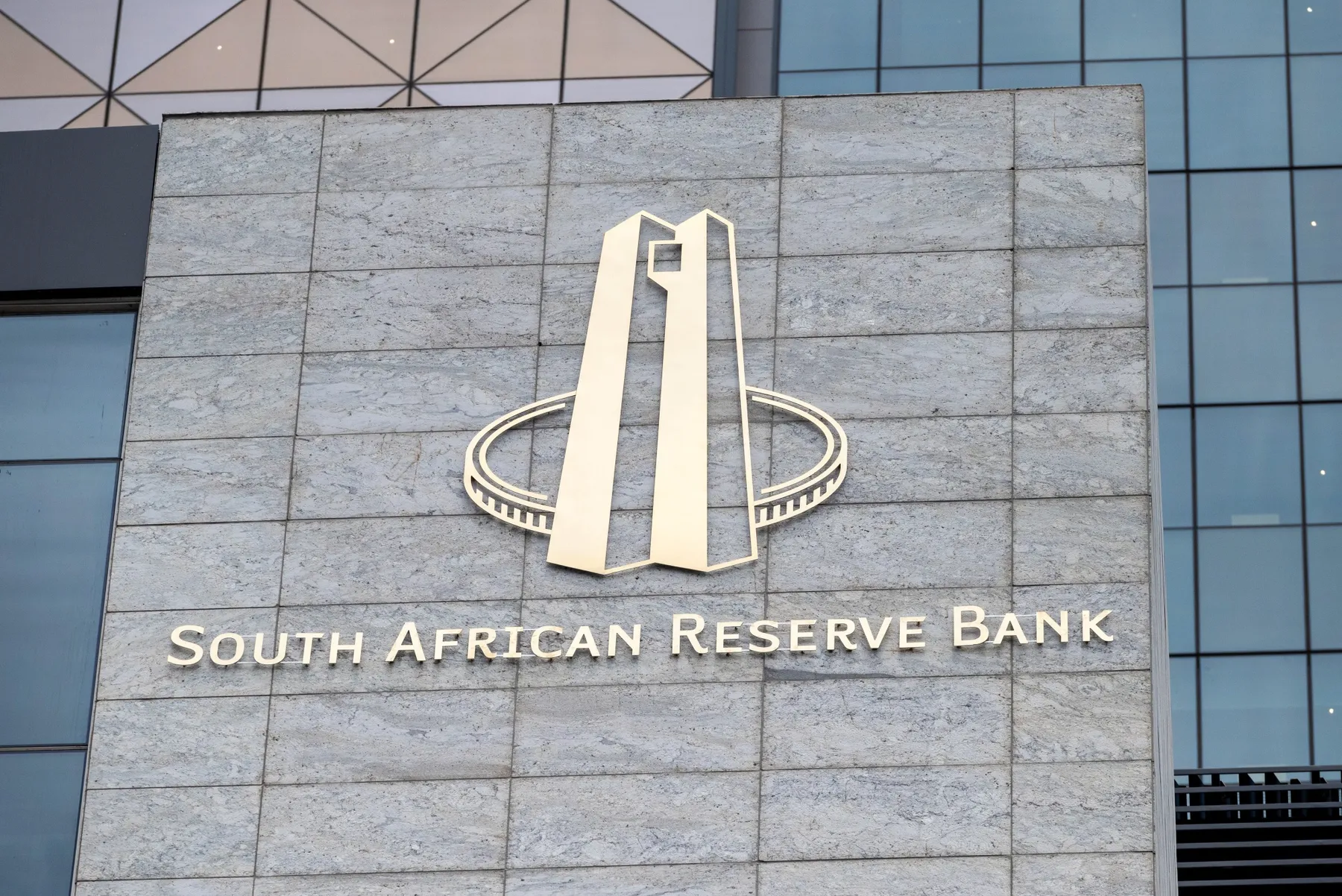
The warning was contained in the latest Financial Stability Review released by the South African Reserve Bank in Pretoria.
According to the report, the bank’s Quarterly Projection Model, which had previously pointed to potential interest rate cuts in 2026, has shifted significantly following the escalation of tensions in the Middle East.
“The South African Reserve Bank’s Quarterly Projection Model, which pointed to rate cuts in 2026 prior to the Middle East conflict, now suggests another rate increase in 2026 following the 25-basis point increase” implemented in May, the report stated.
The latest assessment underscores the growing concern among policymakers that higher energy prices and broader inflationary pressures linked to the conflict could become more persistent than initially expected.
Last month, the central bank raised its benchmark repo rate by 25 basis points to 7.00%, marking South Africa’s first interest rate increase in three years.
The decision placed South Africa among a relatively small group of emerging-market economies that have tightened monetary policy in response to the economic consequences of the Middle East crisis.
Governor Lesetja Kganyago has repeatedly warned that rising fuel prices, transport costs and potential second-round inflation effects could threaten progress made in stabilizing inflation.
The central bank has also revised upward its inflation forecasts, reflecting expectations that elevated global energy prices will continue to affect domestic price levels.
Beyond inflation concerns, the Financial Stability Review highlighted broader risks to the financial system.
The report noted that heightened geopolitical uncertainty, volatile commodity markets and shifts in global investor sentiment could increase pressure on emerging-market economies, including South Africa.
As Africa’s most industrialized economy and a net importer of oil, South Africa remains particularly vulnerable to prolonged increases in global energy prices.
Higher fuel costs can affect a wide range of sectors, from transportation and manufacturing to agriculture and consumer spending, potentially slowing economic growth while keeping inflation elevated.
The central bank’s latest assessment suggests policymakers remain focused on preserving price stability even as growth risks increase.
While no decision has been made regarding future rate adjustments, the shift in the bank’s projections indicates that monetary policy could remain restrictive for longer than previously anticipated.
Investors and businesses will be closely monitoring upcoming inflation data and monetary policy meetings for further indications on the direction of interest rates in the months ahead.
The next Monetary Policy Committee (MPC) announcement from the South African Reserve Bank (SARB) regarding interest rates is scheduled for Thursday, 23 July 2026