
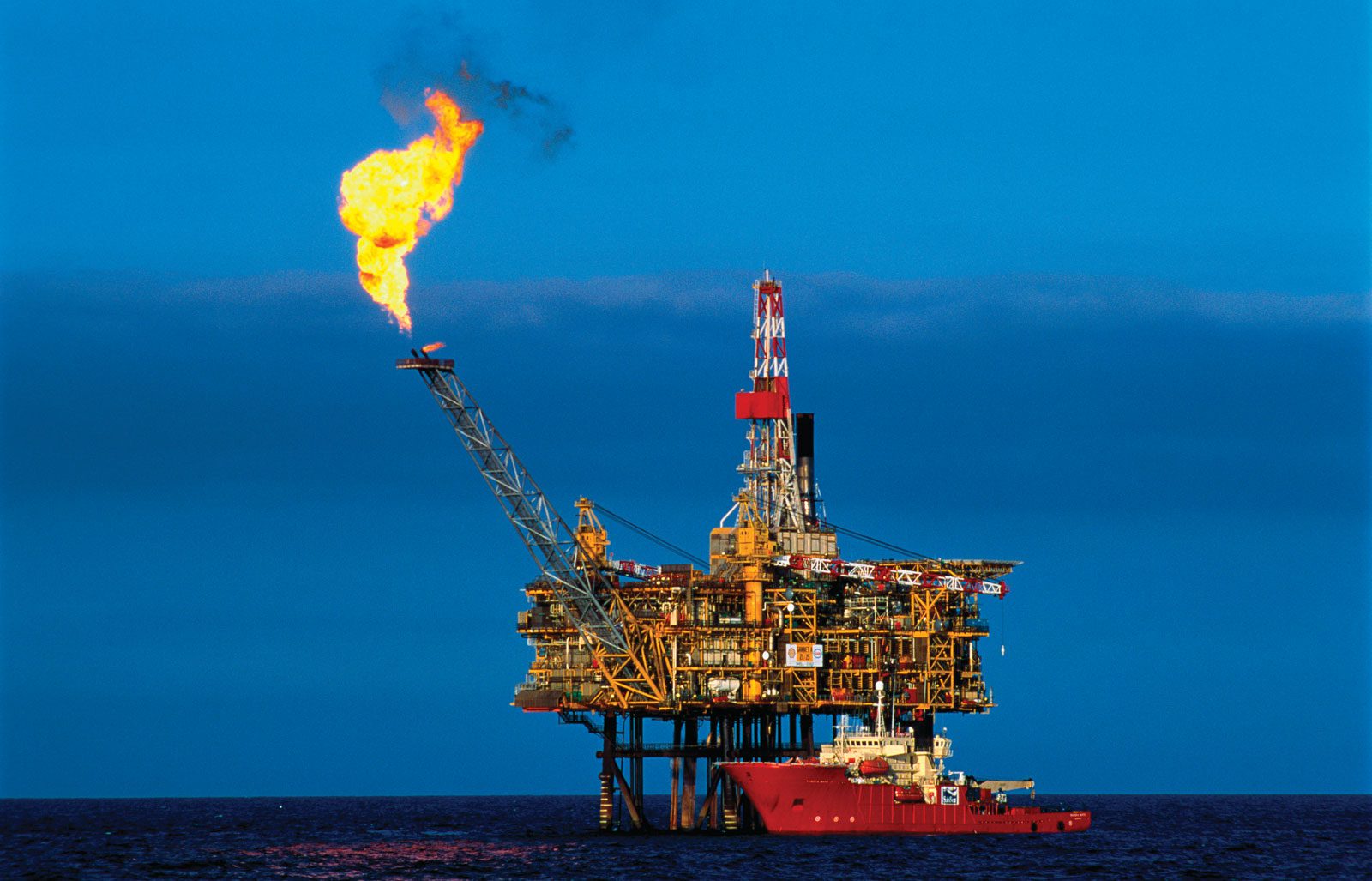
LAGOS, Aug 6 – Nigeria’s upstream oil regulator expects at least 22 offshore oil and gas projects to commence production by 2030, with potential investment estimated at up to $50 billion, as the country intensifies efforts to expand crude oil and natural gas output while attracting new upstream capital.
The Nigerian Upstream Petroleum Regulatory Commission (NUPRC) said ongoing regulatory reforms, competitive licensing rounds, infrastructure improvements and enhanced security measures are helping to create a more attractive operating environment for investors.
Speaking on the outlook for the sector, NUPRC Chief Executive Oritsemeyiwa Eyesan said the commission has approved more than $57 billion worth of field development plans since 2024, creating a pipeline of projects that are expected to progress towards final investment decisions.
According to Eyesan, the approved developments are expected to increase Nigeria’s oil and gas production capacity, expand critical upstream infrastructure and reinforce the country’s position as a leading destination for energy investment in Africa.
The regulator also said Nigeria has continued to expand access to new exploration opportunities through its licensing programme.
According to Eyesan, Nigeria has opened new oil and gas acreage through successive licensing rounds, awarding 37 blocks to 31 companies during the 2025 licensing round, while preparations for the 2026 bid round are already underway.
The planned projects form part of Nigeria’s broader strategy to revitalise its upstream petroleum industry following years of underinvestment, production disruptions and declining output.
The government has set an ambitious target of increasing crude oil production to 3 million barrels per day by 2030, nearly doubling current production levels through increased investment, accelerated project development and improved operational efficiency.
The anticipated offshore developments are expected to play a central role in achieving that objective while supporting export revenues, strengthening energy infrastructure and enhancing Nigeria’s competitiveness in the global oil and gas industry.
