
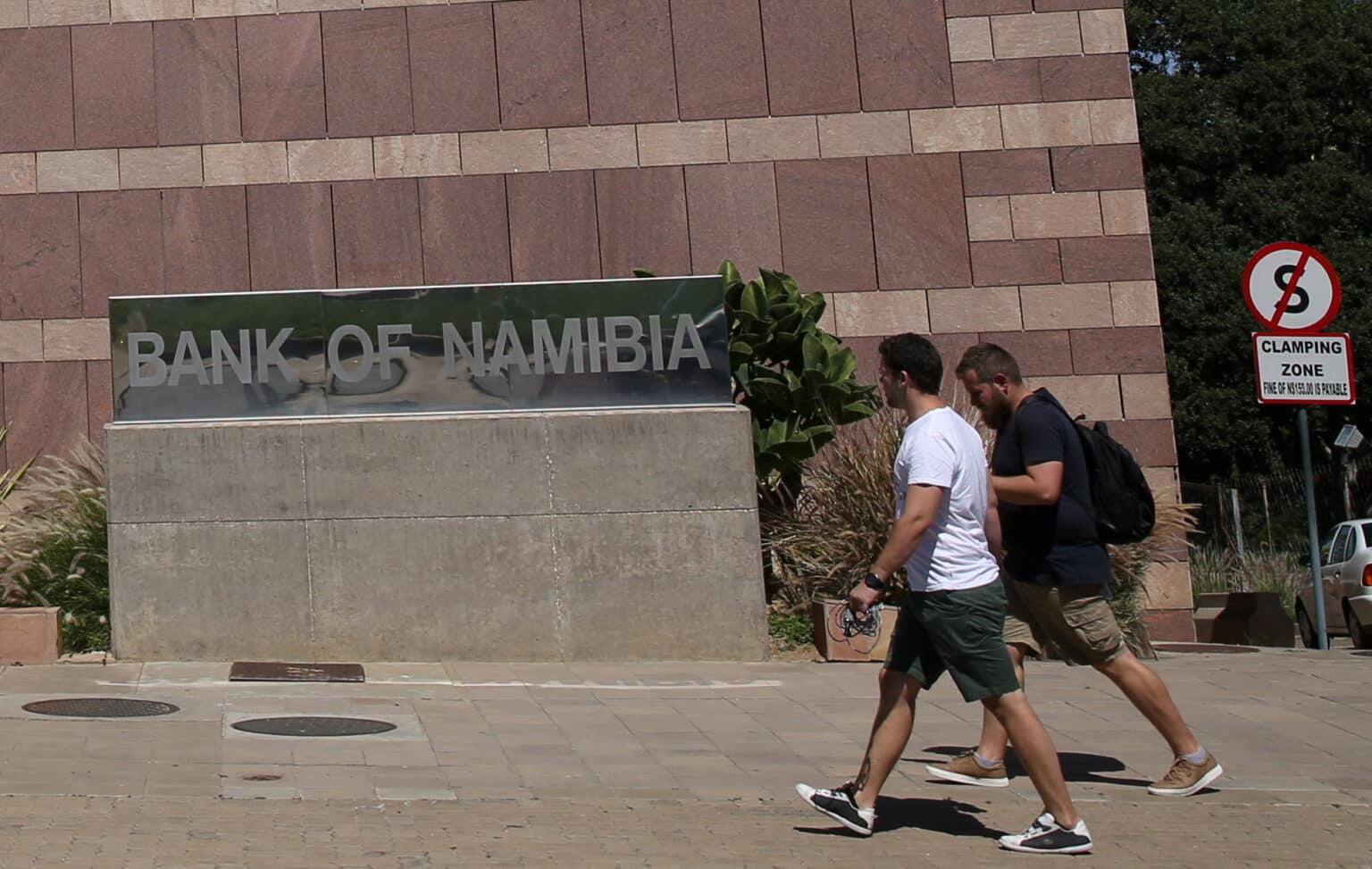
WINDHOEK, April 29 – The Bank of Namibia has kept its benchmark interest rate unchanged at 6.50% for the third consecutive meeting, citing increased uncertainty around economic growth and inflation.
The decision comes as the fallout from the Middle East conflict continues to weigh on the global economy, with policymakers warning of rising risks to Namibia’s inflation outlook.
Annual inflation eased to 2.1% in March, down from 2.4% in February, marking its lowest level since 2020. However, the central bank expects price pressures to rise again in the coming months, with inflation projected to average 3.7% this year, slightly above earlier forecasts.
Governor Ebson Uanguta highlighted key risks including exchange rate volatility, potential increases in administered prices, and the broader spillover effects of the ongoing global conflict.
To cushion consumers from rising fuel costs, the government has reduced fuel levies by 50% for at least three months through June, aiming to soften the impact of higher global energy prices.
The central bank has also revised down its economic growth forecasts for this year and next, citing weaker performance in key sectors such as metals and diamond mining.
Namibia’s monetary policy remains closely aligned with that of South African Reserve Bank, reflecting the strong economic ties between the two countries and the one-to-one peg between their currencies. South Africa recently held its own policy rate at 6.75%, reinforcing the regional trend of caution amid global uncertainty.
As external pressures persist, Namibia’s policymakers are balancing the need to support growth while remaining vigilant against renewed inflationary risks.
