
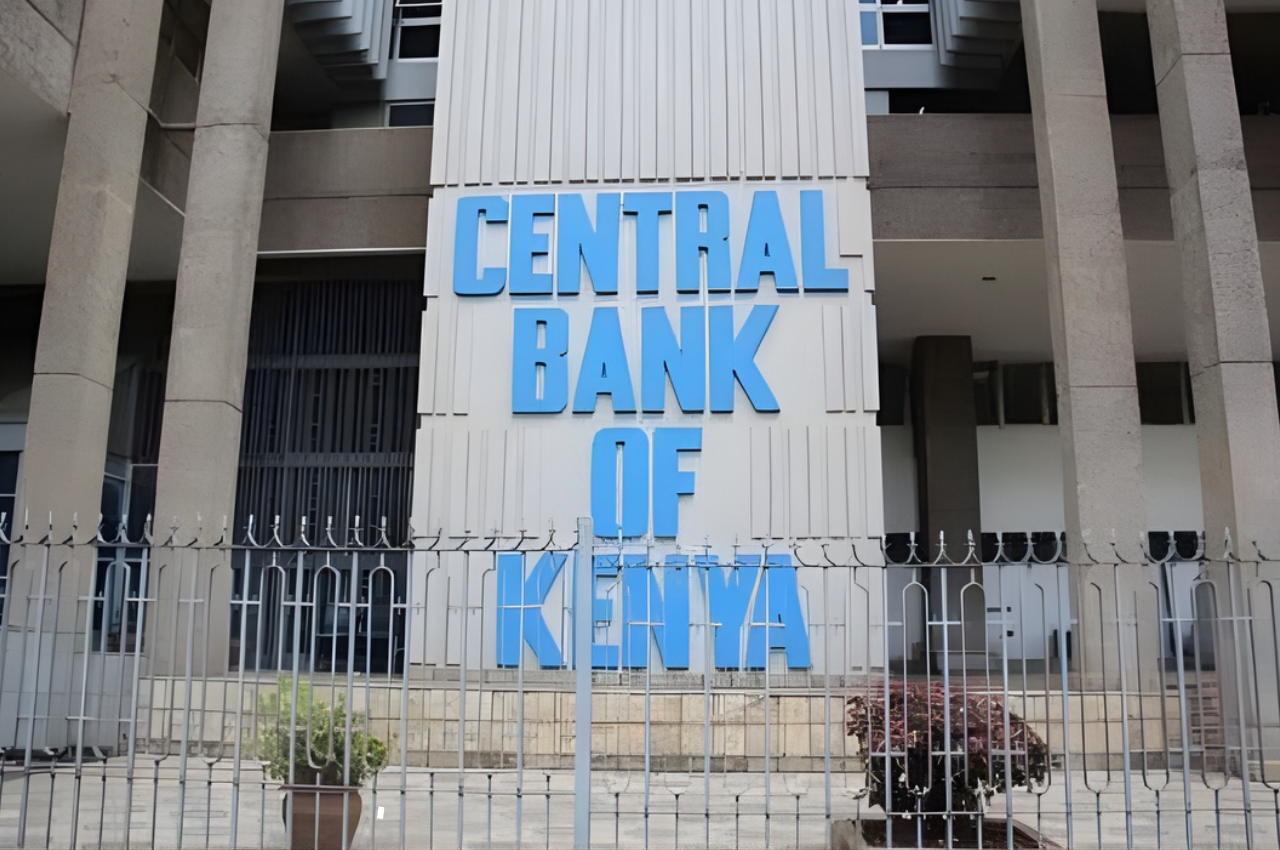
NAIROBI, June 10 – The Central Bank of Kenya has maintained its benchmark lending rate at 8.75%, opting for a cautious approach as rising global energy prices continue to push inflation higher across the economy.
In a statement released after its latest Monetary Policy Committee (MPC) meeting, the central bank said the current policy stance remains appropriate to support price stability and maintain exchange rate stability amid growing external risks.
The decision comes as inflation accelerated sharply in recent months, largely driven by higher fuel prices linked to rising global oil costs.
Kenya’s annual inflation rate rose to 6.7% in May, moving closer to the upper limit of the government’s preferred target range of 2.5% to 7.5%.
According to the MPC, policymakers remain concerned about the potential impact of elevated energy prices on broader consumer prices.
“The MPC noted that there is a need to continue monitoring the evolution of global oil prices and any second-round effects on inflation,” the central bank said.
Officials indicated that maintaining the benchmark rate at its current level would help keep inflation expectations anchored while supporting macroeconomic stability.
Alongside its policy decision, the central bank revised downward its economic growth forecast for 2026.
Kenya’s economy is now expected to expand by 4.9% this year, lower than the previous forecast of 5.3%.
The adjustment reflects increasing uncertainty surrounding the global economic environment, including higher energy costs and their potential impact on domestic economic activity.
Despite the downgrade, Kenya remains one of East Africa’s fastest-growing economies, supported by continued investment, services sector expansion and resilient domestic demand.
The central bank signaled that it will continue closely monitoring inflation developments and stands ready to adjust policy if necessary.
“The MPC stands ready to take further action as necessary in line with its mandate,” the statement added.
Investors and market participants are expected to closely follow comments from Kamau Thugge, who is scheduled to address a press conference following the policy announcement.
The next Monetary Policy Committee meeting is expected to take place in August, when policymakers will reassess inflation trends, economic growth prospects and developments in global commodity markets.
For now, the central bank’s decision reflects a balancing act between supporting economic growth and preventing rising energy costs from becoming entrenched in broader inflation dynamics.
