
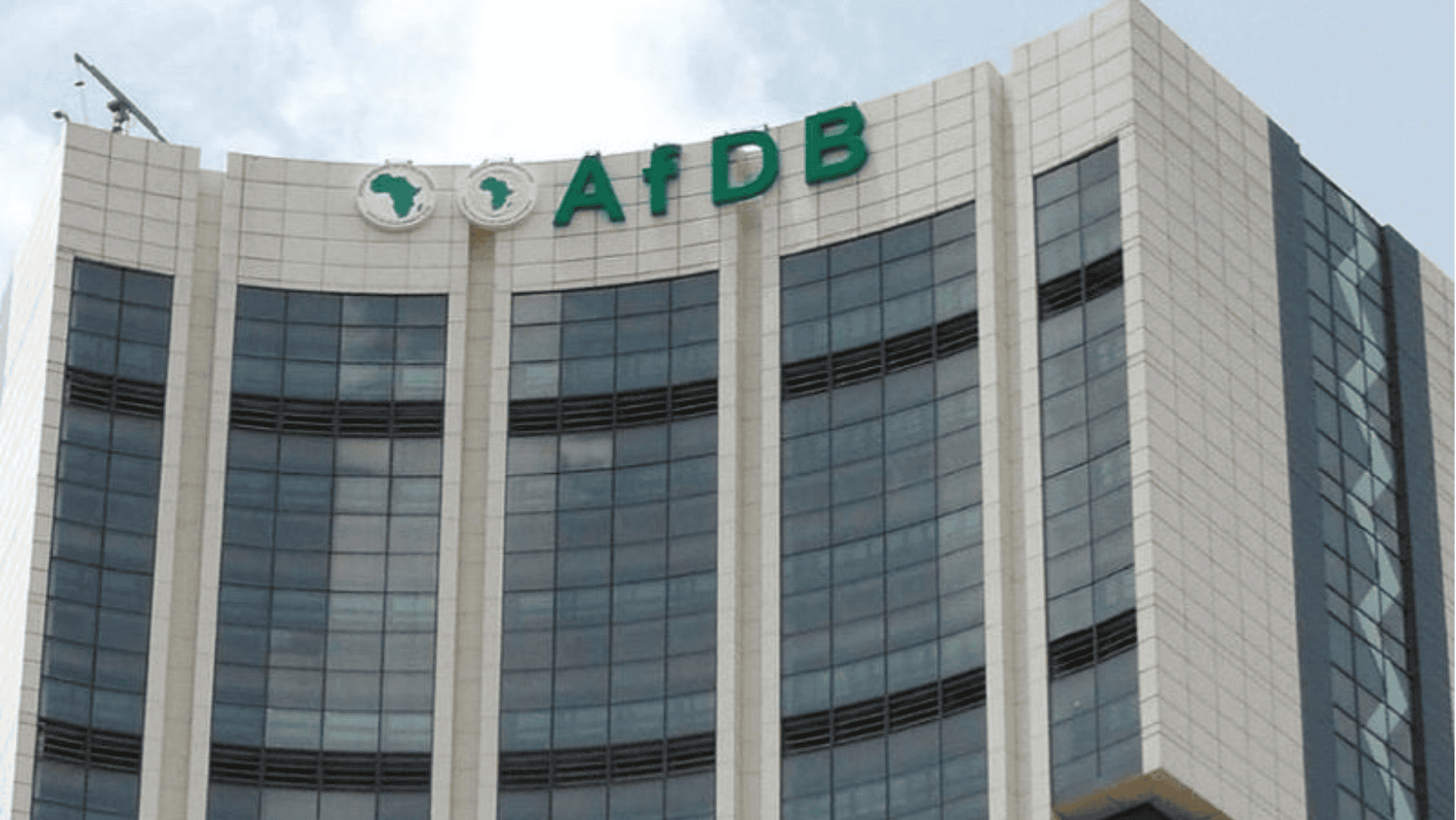
ABIDJAN, Aug 3 – West Africa needs between $90 billion and $100 billion each year to meet its development goals, but the region’s biggest challenge is not a lack of money. Instead, available capital is not being properly mobilised or invested, according to the African Development Bank (AfDB).
In its West Africa Economic Outlook 2026 report, the bank said the region’s financing gap is largely the result of weak financial intermediation, with savings and existing capital failing to reach productive sectors of the economy.
The report noted that gross capital formation has remained around 23% to 24% of GDP, well below the 33% or more recorded by many middle-income economies.
According to the AfDB, improving domestic resource mobilisation remains the region’s most important opportunity. It described West Africa’s tax performance as low by both African and global standards and called for broader tax collection and more efficient tax policies.
The bank also said higher global interest rates and rising borrowing costs have made it more difficult for countries in the region to raise funds from international markets. As a result, it urged governments to rely more on domestic sources of finance.
To help close the funding gap, the report outlined four priorities which include expanding the tax base, making better use of natural resource revenues, bringing more informal businesses into the formal economy, and directing pension and insurance funds toward long-term investments instead of mainly short-term government securities.
The AfDB also highlighted weak public investment efficiency across Africa, estimating that $41 out of every $100 spent on public investment does not translate into productive capital. It said improving how existing funds are used will be just as important as raising new financing.
