
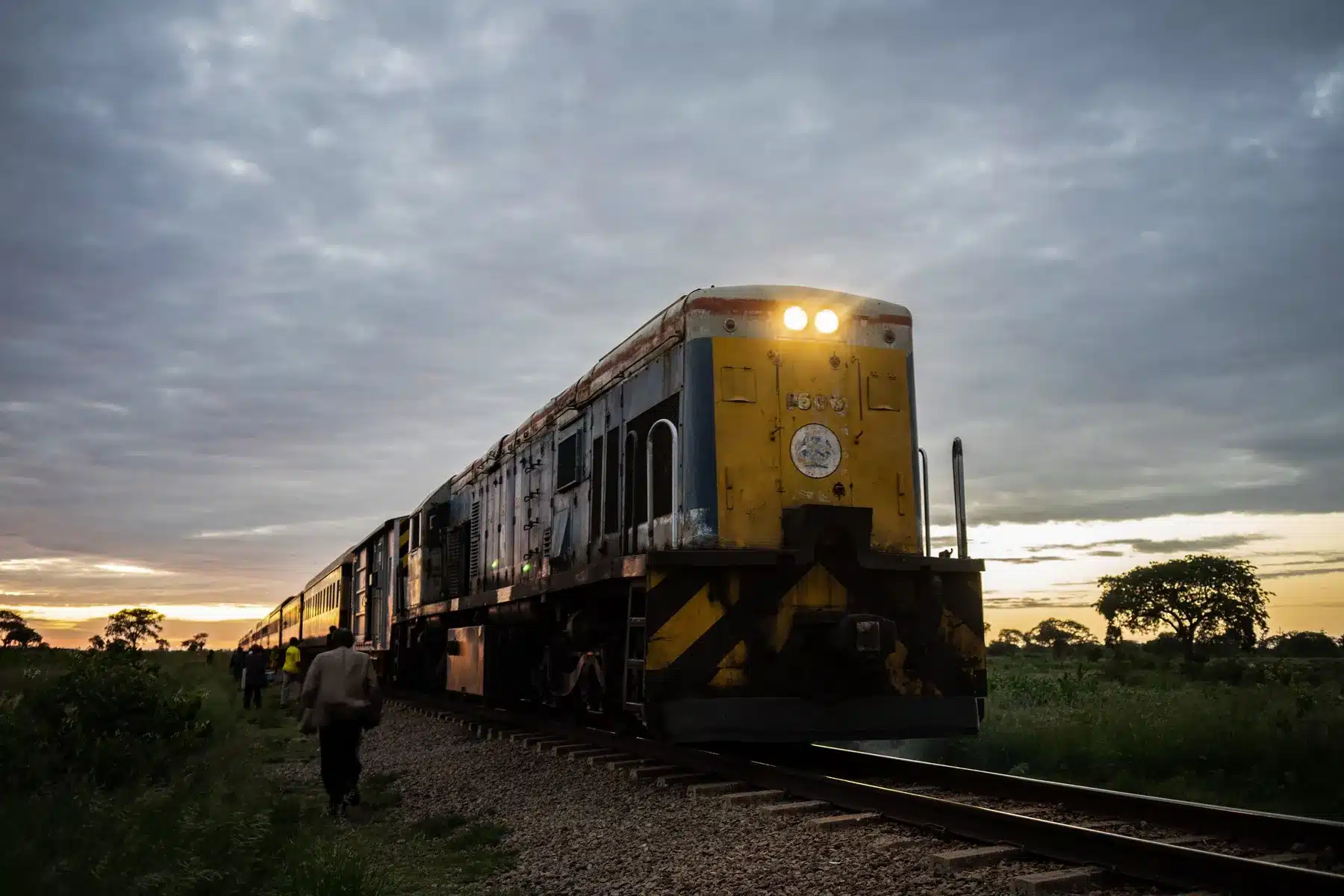
HARARE, Sept 17 – Zimbabwe’s state-owned National Railways of Zimbabwe (NRZ) is negotiating a $115 million financing facility with Afreximbank to expand its freight capacity through the acquisition of new locomotives and wagons and the rehabilitation of parts of its railway network.
The financing would support the purchase of 10 locomotives and 315 wagons, according to John Mangudya, chief executive of Zimbabwe’s sovereign wealth fund Mutapa Investments, which now oversees NRZ.
Mangudya said part of the funding would also be directed toward repairing sections of the railway infrastructure, as the operator seeks to restore capacity following years of limited investment.
The financing discussions come as NRZ works with private-sector partners to rebuild freight volumes and improve the role of rail in Zimbabwe’s logistics network.
NRZ recently commissioned three locomotives and 100 wagons refurbished through a partnership with Zimasco, the Zimbabwean ferrochrome business owned by China’s Sinosteel.
The railway operator has faced significant operational constraints after years of underinvestment, with annual freight volumes falling from a peak of approximately 12 million tonnes in the 1990s to just 2 million tonnes in 2025.
The decline has increased Zimbabwe’s reliance on road transportation for the movement of minerals and other bulk cargo, adding pressure to logistics costs and road infrastructure.
Rail Gains Importance for Zimbabwe’s Mining Sector
NRZ is increasingly working with private logistics companies to restore rail freight volumes, particularly as Zimbabwe’s mining sector expands production of minerals such as lithium.
On July 21, the railway company announced that it had begun transporting lithium concentrate by rail to Maputo Port in Mozambique in partnership with private operators.
The arrangement provides mining companies with an alternative to road transportation, which currently carries most of Zimbabwe’s minerals to export ports.
Greater use of rail could lower transportation costs for bulk commodities while improving the efficiency of Zimbabwe’s links to regional trade corridors and ports.
Mangudya said NRZ requires approximately $600 million in investment to comprehensively upgrade its rolling stock and railway network, highlighting the wider funding requirement beyond the proposed Afreximbank facility.
The potential $115 million financing would therefore represent an initial step toward rebuilding the railway operator’s capacity, with additional investment likely required to modernise the broader network.
For Zimbabwe, restoring rail freight capacity could become increasingly important as mineral exports grow and the country seeks more efficient connections to ports in neighbouring Mozambique and other regional logistics corridors.
