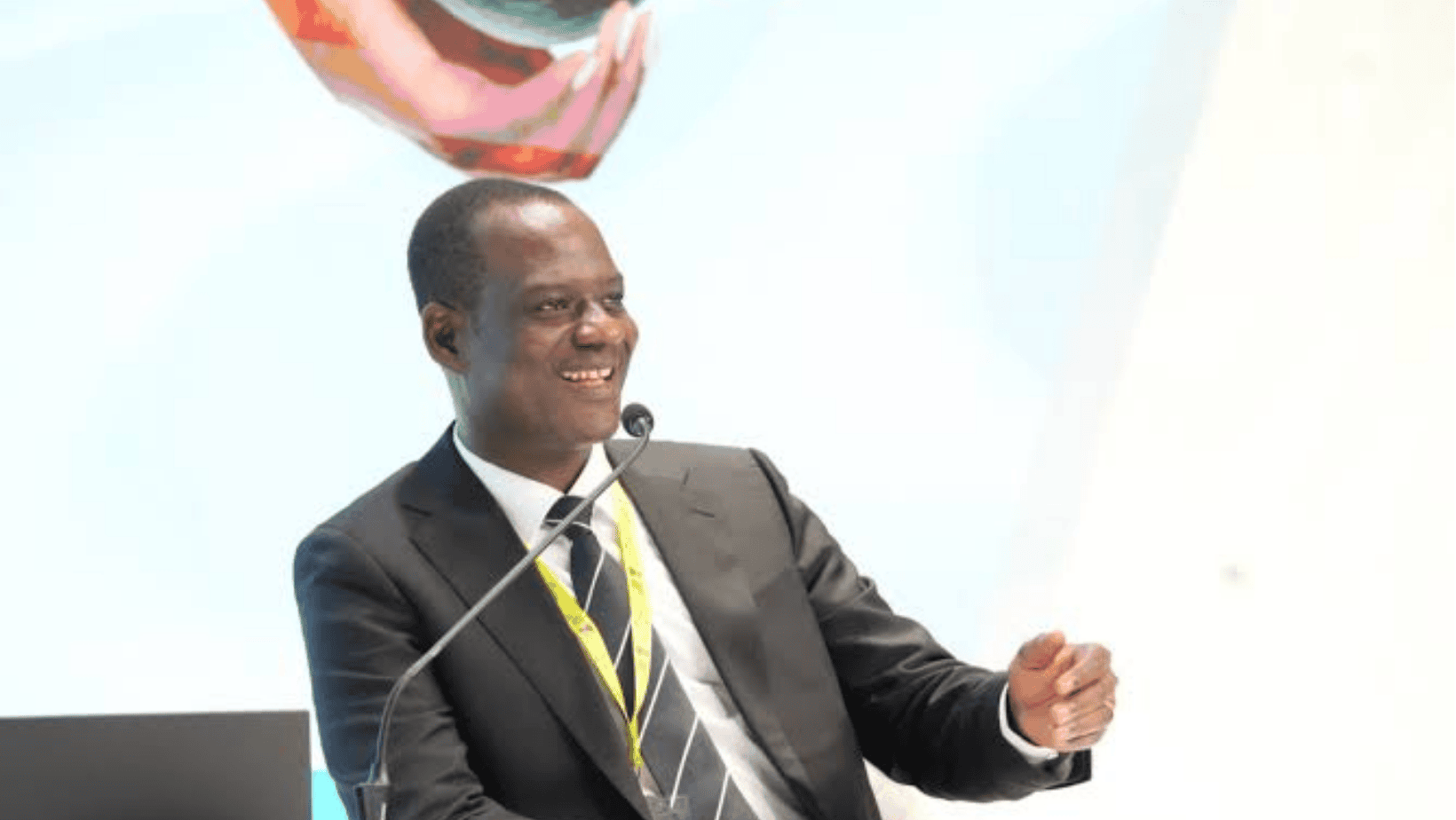
ABUJA, July 31 – Nigeria’s Minister of Finance and Coordinating Minister of the Economy, Taiwo Oyedele, says the government will soon publish a detailed report showing how savings from the removal of fuel and foreign exchange subsidies have been spent.
Speaking at the Africa Emerging Markets Forum in Abuja, Oyedele said many Nigerians have asked what happened to the savings, adding that the government will release a full breakdown in the coming days to improve transparency.
He said removing the subsidies freed up resources equal to about 5% of Nigeria’s gross domestic product (GDP). According to him, much of the money has been used to cover higher debt repayments, support the new national minimum wage and fund other public spending.
Oyedele explained that government borrowing costs rose sharply after the reforms, increasing from about 8% to as much as 24%. He also said the government’s wage bill nearly doubled after the monthly minimum wage was raised to about $51.
The minister added that more money has gone into the government’s student loan programme, which now supports over 1.5 million students with tuition and monthly allowances.
He said the reforms were introduced to remove long-standing problems in the economy, including market distortions and corruption, not just to save money. He added that the Ministry of Finance and the Central Bank of Nigeria are now working more closely when making economic policies.
Oyedele said high interest rates remain a challenge for businesses, but the government is looking for ways to reduce borrowing costs without bringing back subsidies.
He also disagreed with recent views from the IMF and World Bank that the reforms have worsened poverty. While he admitted that many people lost purchasing power after the subsidies were removed, he said the government believes the reforms will support stronger income growth over time.y income tax and personal income tax adding that the government is also developing a public data portal to improve transparency.