
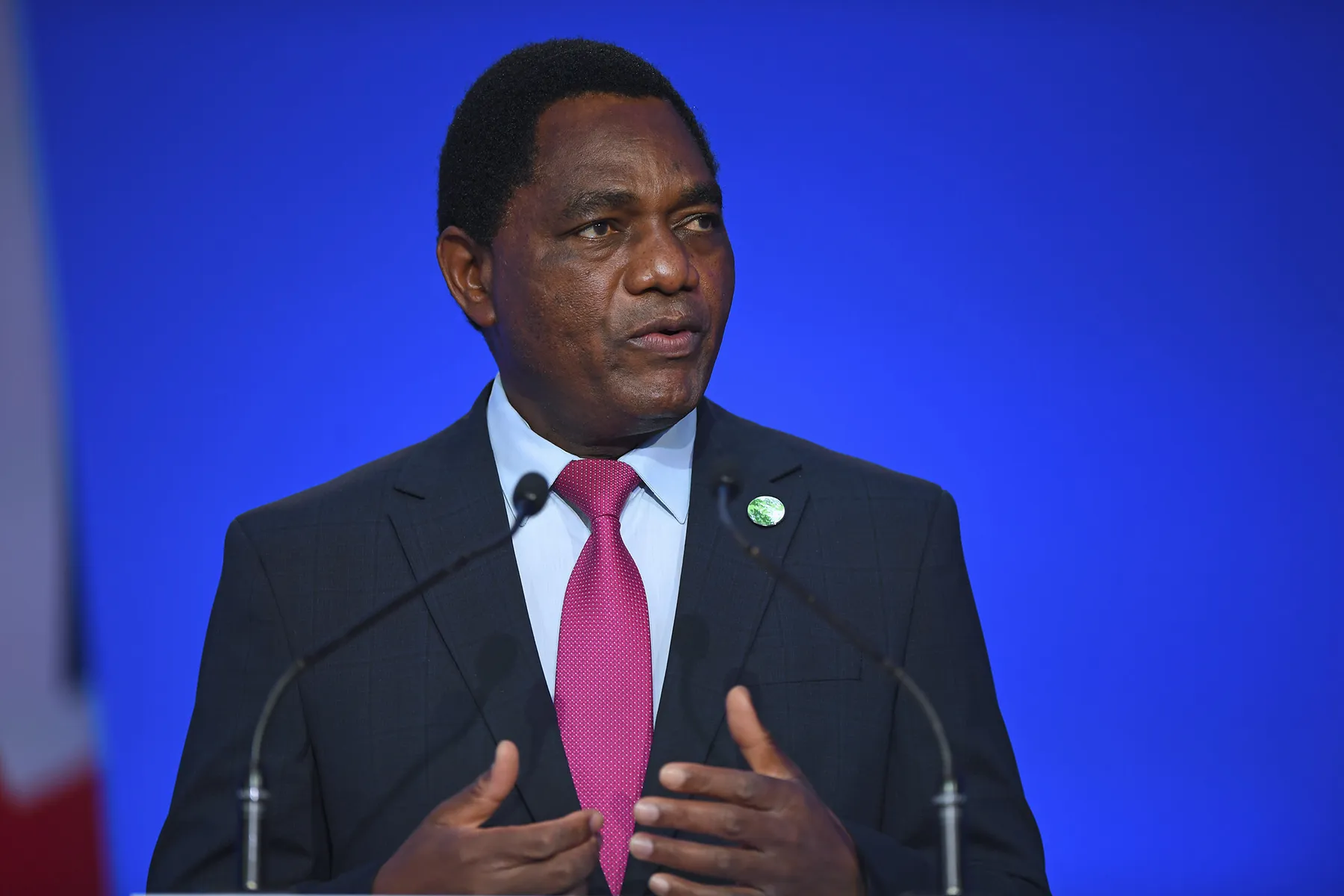
LUSAKA, Aug 21 – Citi has upgraded Zambia’s international bonds to overweight from marketweight and expects to participate in the country’s seven-year local-currency bond auction, citing improved political stability following President Hakainde Hichilema’s re-election.
The bank expects to be a buyer at the auction, which will be the first sale of local government debt since Hichilema was declared the winner of last week’s election. Hichilema secured a second term with about 60% of the vote.
Citi said demand for the local-currency bond could be strong because liquidity in Zambia’s financial system currently exceeds the amount of debt being offered. The assessment points to potentially favourable domestic funding conditions for the government as investors respond to the more predictable political outlook.
The bank also sees scope for improvements in Zambia’s sovereign credit ratings as fiscal consolidation continues. Citi said Moody’s could upgrade the country from its current Caa2 rating as political conditions stabilise, while S&P Global Ratings could potentially raise Zambia’s rating to B-minus in 2027 if the government maintains its fiscal consolidation programme.
Zambia has spent recent years restructuring its public debt after defaulting on its international obligations, making fiscal discipline and renewed access to international financing central to the country’s economic outlook. The government does not plan to return to international capital markets until it reaches an agreement on a new programme with the International Monetary Fund, which Citi expects to be secured before the end of the year.
The combination of political continuity, fiscal consolidation and a potential IMF programme could strengthen investor confidence in Zambia’s debt markets. It could also support further improvements in the country’s credit profile if authorities continue implementing reforms.
However, Citi identified risks to the positive outlook, including the possibility of political unrest and the potential economic effects of El Niño in early 2027. Weather-related disruptions could weigh on agricultural output and economic activity, creating additional pressure on fiscal and external balances.
