
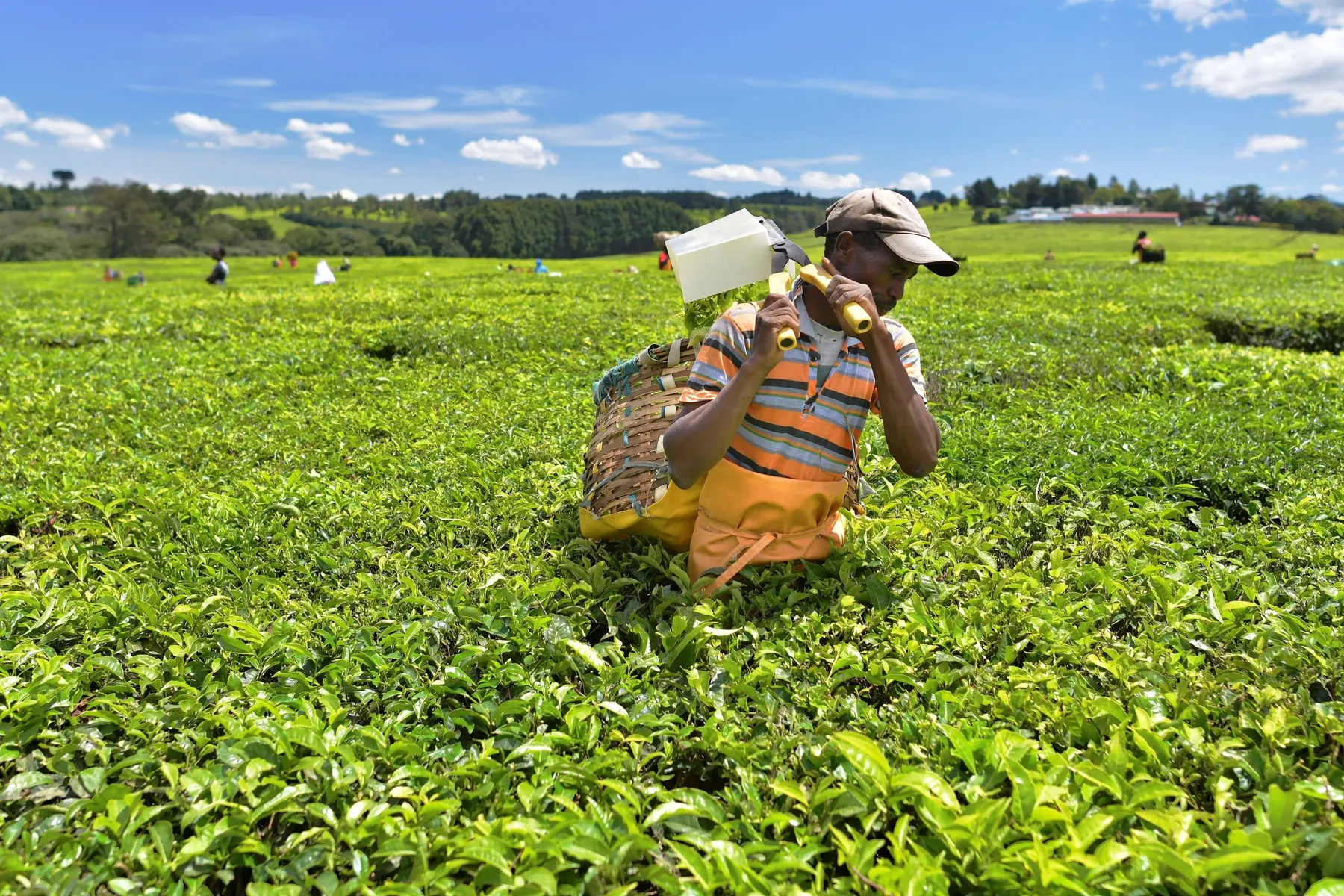
NAIROBI, May 26 – Kenya is preparing a large-scale green financing initiative aimed at strengthening agricultural productivity, improving climate resilience and attracting long-term private investment into one of the country’s most critical sectors.
Authorities plan to raise approximately 100 billion shillings, equivalent to about $772 million, through a new agricultural green bond program expected to be introduced before the end of next year.
According to government plans, the financing will support a range of sustainable projects including solar-powered cold storage systems, regenerative farming practices, climate adaptation programs and agricultural insurance solutions designed to reduce risks for farmers.
Officials indicated that the bond structure will seek to attract institutional investors as well as members of the Kenyan diaspora, with funding instruments expected to carry maturities of between five and ten years.
The government also plans to utilize carbon credit revenues as part of the framework supporting the issuance.
Agriculture remains a central pillar of Kenya’s economy, contributing more than one-fifth of national economic output while supporting livelihoods for a majority of the country’s population, particularly in rural communities.
Despite the sector’s importance, investment levels have remained relatively low for years.
Government data indicates that agricultural spending has historically averaged below regional commitments established by African countries, creating funding gaps that have limited productivity growth and sector modernization.
Officials estimate the country currently faces an agricultural financing shortfall of roughly 300 billion shillings, driven by constrained public resources and uncertain donor support.
Authorities said increased private-sector participation will be essential in closing the funding gap and addressing longstanding challenges across the agricultural value chain.
The initiative is expected to support efforts to improve market access, strengthen food systems and reduce the vulnerability of farmers to climate-related disruptions.
For Kenya, the green bond strategy also reflects broader efforts to expand sustainable financing mechanisms while strengthening long-term economic resilience.
