
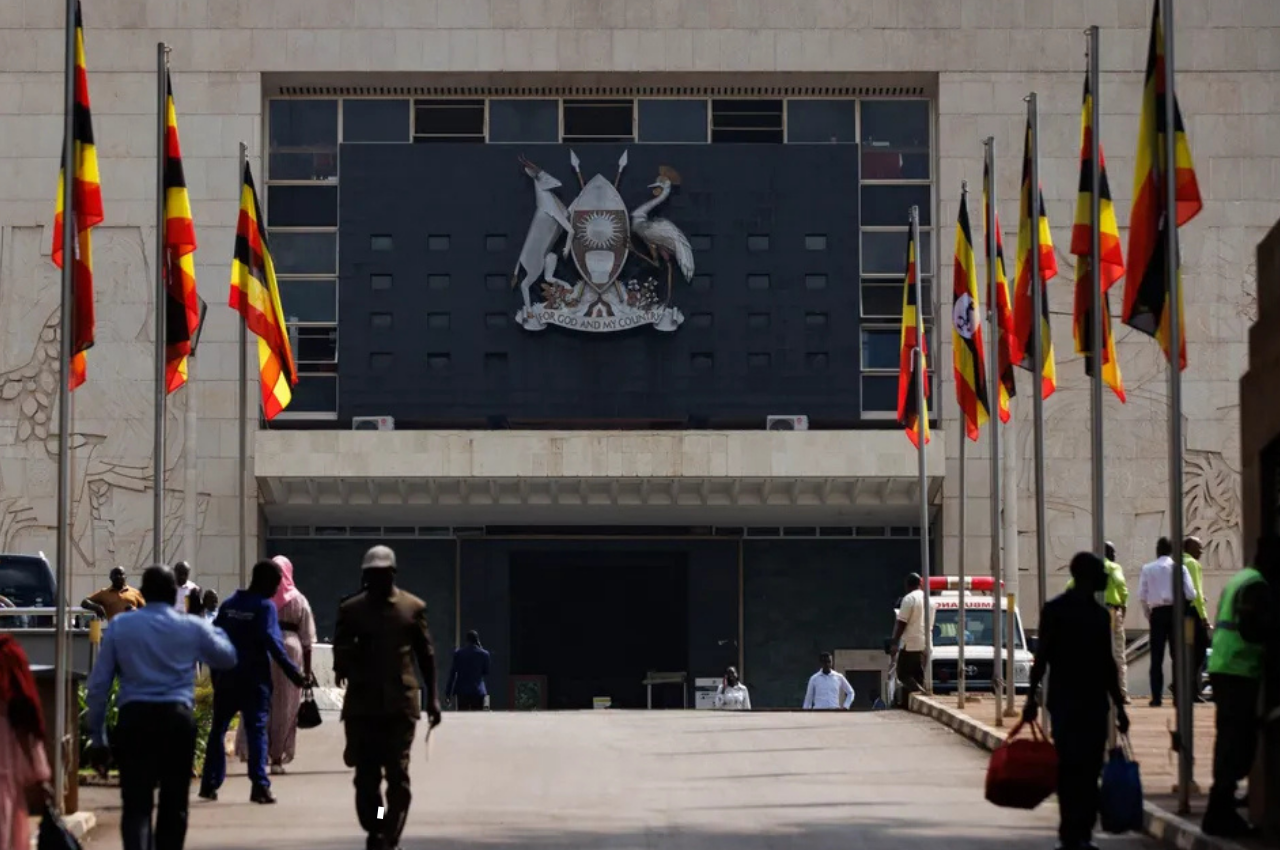
KAMPALA, April 29 – Uganda’s proposed “Protection of Sovereignty Bill, 2026” is drawing increasing scrutiny from economic policymakers, with concerns it could have unintended consequences for the country’s financial stability.
The legislation, currently under review by a parliamentary committee, would require individuals and entities receiving funds from abroad to register as foreign agents, obtain government certification, and disclose all incoming financial flows.
Michael Atingi-Ego, governor of the Bank of Uganda, warned that such measures could significantly reduce foreign inflows into the economy, putting pressure on the country’s balance of payments.
He cautioned that any disruption to capital inflows could lead to a depletion of foreign exchange reserves, increasing the risk of currency depreciation. A weaker currency, in turn, would likely fuel inflation by raising the cost of imports.
“The moment you tamper with these inflows, we risk running down our reserves,” he said, noting that the resulting exchange rate pressures could translate into higher domestic prices.
The proposed law has also drawn criticism from international institutions, including the World Bank, which warned that the provisions could expose development activities to legal risks.
Domestic stakeholders such as charities, commercial banks, civil society groups, and opposition figures have similarly voiced concerns, arguing that the bill could deter investment and restrict financial flows into the country.
Despite the backlash, the government has maintained that the legislation is necessary to safeguard national sovereignty and limit external influence in domestic affairs.
As discussions continue, the outcome of the bill could have significant implications for Uganda’s investment climate, currency stability, and broader economic outlook.
