
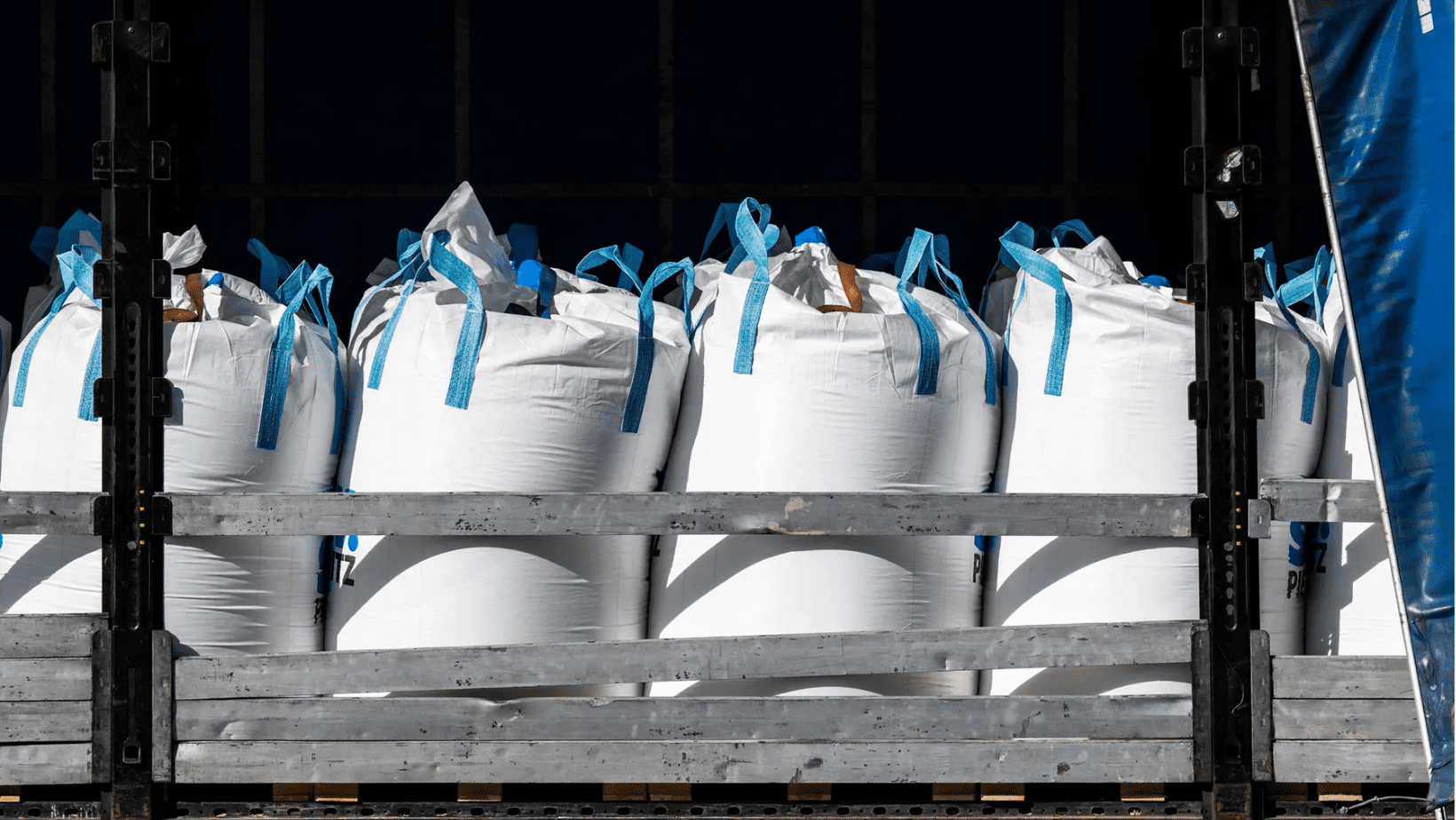
LILONGWE, May 13 – Rising fuel and fertilizer costs linked to global shipping disruptions in the Gulf are putting severe pressure on farmers in Malawi, raising concerns over food security across the region.
Malawi, a landlocked country heavily dependent on imports, is facing higher transport costs and limited access to fertilizer as global supply chains tighten. The crisis has been linked to disruptions in the Strait of Hormuz, where geopolitical tensions have restricted the flow of fuel and agricultural inputs from key Gulf exporters.
As the planting season begins, smallholder farmers say fertilizer is becoming both more expensive and harder to find. With more than half of Africa’s population relying on agriculture, the impact is expected to be felt across multiple countries already struggling with low farm productivity.
A country director at One Acre Fund said uncertainty around availability is now a bigger concern than price, warning that smaller markets like Malawi risk being pushed to the back of global supply queues.
According to the Food and Agriculture Organization, Malawi sources nearly 60 percent of its nitrogen fertilizer from Gulf countries, making it highly exposed to supply shocks. The price of urea, the most widely used nitrogen fertilizer, has also surged by more than 90 percent as shipments through the Strait of Hormuz remain disrupted.
Across Africa, farmers in Nigeria, Senegal, Ghana, and Lesotho are also reporting shortages and rising costs, with many scaling back fertilizer use or reducing the size of land under cultivation.
In Malawi, some farmers have begun delaying purchases or switching to lower-quality alternatives, while others say they may skip fertilizer entirely this season due to cost pressures.
The United Nations has warned that reduced fertilizer use could lead to lower yields and higher food inflation across the continent, particularly in regions where soil fertility is already low.
Malawi, which has experienced repeated climate-related food shocks in recent years, recorded acute food insecurity affecting 22 percent of its population between October and March, according to international food security data.
