
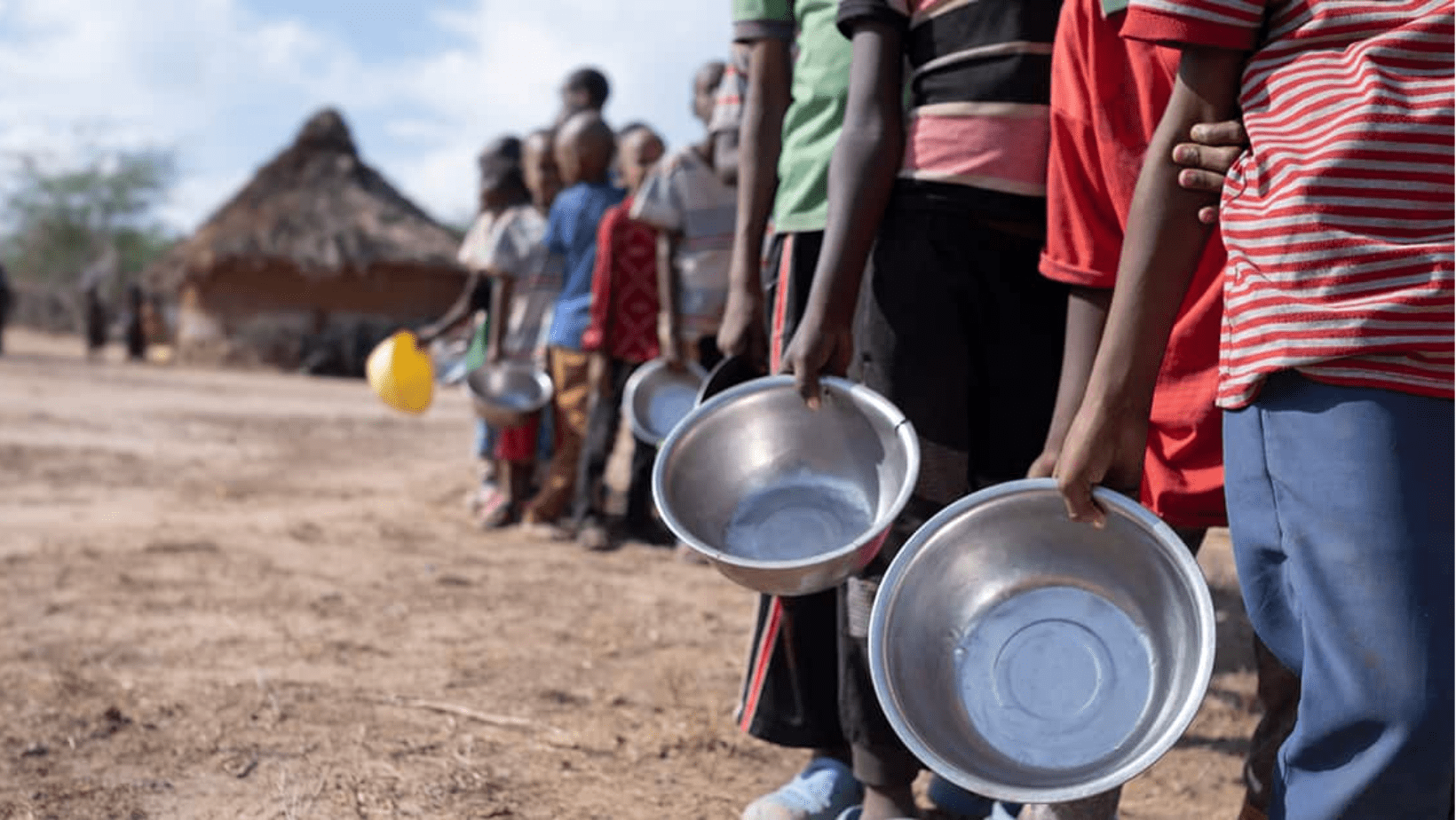
Japan Donates $853,000 to Support Food Aid in North East Nigeria
ABUJA, Nigeria June 30, 2026 Japan has provided $853,000 in food assistance to the United Nations World Food Programme (WFP) to support vulnerable households facing worsening hunger and food insecurity across North East Nigeria.
The contribution will support emergency food assistance in Borno, Adamawa and Yobe states, where communities continue to face the combined effects of prolonged conflict, displacement, climate-related shocks and rising food prices.
The World Food Programme said the funding comes at a critical time as food insecurity continues to affect millions of people across Northern Nigeria.
For households already dealing with displacement and lost livelihoods, higher food prices have made it increasingly difficult to secure regular meals.
Japan Provides $853,000 for Nigeria Food Assistance
Japan’s latest contribution will be channelled through the WFP’s humanitarian response in North East Nigeria.
The contribution will allow the WFP to continue providing food assistance to families that are struggling to meet their basic food needs.
WFP Warns of Growing Food Insecurity in Northern Nigeria
The World Food Programme said food insecurity has reached critical levels across parts of Northern Nigeria.
Many families are reportedly struggling to afford sufficient food, with some households finding it difficult to provide even one adequate meal per day.
WFP Says Japan’s Contribution Will Support Lifesaving Assistance
WFP Nigeria Programme Policy Officer Itaru Furuta described Japan’s contribution as timely.
According to the WFP, the funding will help sustain lifesaving assistance for communities affected by conflict, displacement and climate-related shocks.
Furuta also called on other development partners to increase their support as humanitarian needs continue to grow.
The appeal reflects concerns that humanitarian organisations face increasing demand for food assistance while available resources remain limited.
Food Aid Targets Vulnerable Households in Borno, Adamawa and Yobe
Borno, Adamawa and Yobe have remained at the centre of Nigeria’s humanitarian response in the North East.
The three states have been affected by prolonged insecurity, which has disrupted farming, trade and household livelihoods.
Many displaced families have lost access to farmland and other sources of income.
Food assistance can therefore provide an immediate source of support while households work toward restoring their livelihoods.
The WFP’s intervention is focused on helping families meet their immediate food needs while contributing to wider humanitarian and recovery efforts.
More Than a Decade of Conflict Has Disrupted Food Production
The humanitarian crisis in North East Nigeria has its roots in more than a decade of conflict involving Boko Haram and other armed groups.
The violence has had significant consequences for local communities.
Agricultural land has been abandoned or become difficult to access, while farmers have faced disruptions to planting and harvesting activities.
Markets and transportation networks have also been affected in some areas.
As a result, many communities have experienced reduced access to food and income.
Conflict Has Displaced Millions of People
The prolonged insecurity has forced millions of people from their homes over the years.
Displaced families often become dependent on humanitarian assistance while they seek safer locations and opportunities to rebuild their livelihoods.
Food assistance therefore remains an important component of the humanitarian response.
Rising Food Prices Add to the Crisis
Conflict and displacement are occurring alongside higher food prices.
When food becomes more expensive, low-income households are often forced to reduce the quantity or quality of food they consume.
Families may also reduce spending on other essential needs such as healthcare, education and transportation to afford food.
For households that have already lost income because of conflict, higher food prices can intensify existing vulnerabilities.
The WFP’s food assistance is therefore intended to provide immediate support to households facing these economic pressures.
Climate Shocks Are Increasing Pressure on Communities
Climate-related shocks are another factor affecting food security across Northern Nigeria.
Changes in rainfall patterns, flooding and other weather-related events can disrupt agricultural production and damage livelihoods.
For farming communities, poor agricultural seasons can reduce household food supplies and income.
When climate shocks occur alongside conflict and high food prices, households may have fewer options for coping with food shortages.
This combination has contributed to the growing complexity of the humanitarian situation in the region.
Food Assistance Can Support Community Stability
The WFP said food assistance provides benefits beyond meeting immediate nutritional needs.
According to the agency, humanitarian food support can help strengthen community stability by reducing pressure on vulnerable households.
Providing food can also help reduce the need for families to adopt harmful coping strategies or leave their communities in search of food and income.
The organisation said food assistance can therefore contribute to protecting vulnerable people from some of the wider effects of the crisis.
Nigeria Faces Severe Food Insecurity During 2026 Lean Season
The food-security situation is expected to become particularly challenging during the June-to-August 2026 lean season.
According to analysis by the United Nations Food and Agriculture Organization’s Cadre Harmonisé, approximately 34.7 million Nigerians could face severe food insecurity during this period.
The lean season typically occurs between major agricultural harvests, when household food stocks can become depleted before the next harvest becomes available.
For communities already affected by conflict and displacement, this period can create additional pressure.
What the $853,000 Contribution Will Support
Japan’s funding will support the WFP’s ongoing humanitarian food response.
The assistance is expected to help vulnerable households access food during a period of elevated need.
The funding contributes to several broader objectives:
| Area | Expected contribution |
|---|---|
| Emergency food assistance | Support vulnerable households |
| Food security | Help families meet immediate food needs |
| Conflict response | Support communities affected by insecurity |
| Displacement response | Assist displaced and vulnerable populations |
| Climate response | Support households affected by climate shocks |
| Community stability | Reduce pressure that can contribute to further displacement |
| Livelihood recovery | Help families begin rebuilding their lives |
Why International Support Matters to North East Nigeria
The scale and duration of the humanitarian crisis have created significant financing requirements.
Humanitarian organisations depend on contributions from governments and development partners to maintain food assistance and other essential services.
Japan’s contribution provides additional resources for the WFP’s operations at a time when food insecurity is increasing.
The WFP has also called on other development partners to increase funding as humanitarian needs expand.
Food Assistance and Livelihood Recovery
Emergency food assistance is only one component of a broader recovery process.
For households affected by prolonged conflict, sustainable food security ultimately depends on restoring livelihoods and improving access to productive resources.
Agriculture Remains Central to North East Nigeria’s Recovery
Agriculture is an important source of livelihoods across North East Nigeria.
Conflict-related disruptions to farming have therefore had significant consequences for household income and food availability.
Restoring agricultural production can help communities become less dependent on humanitarian assistance over time.
However, farmers need access to secure farmland, agricultural inputs, markets and infrastructure to rebuild productive capacity.
The humanitarian response therefore needs to operate alongside efforts to restore agricultural livelihoods.
Food Insecurity Is Driven by Multiple Factors
The situation in North East Nigeria cannot be attributed to a single cause.
Food insecurity is being influenced by the interaction of several pressures.
Conflict
Violence has disrupted farming, markets and household livelihoods.
Displacement
Families forced from their homes often lose access to productive assets and income sources.
Food Prices
Higher food costs reduce the purchasing power of vulnerable households.
Climate Shocks
Flooding and changing weather patterns can affect agricultural production and food availability.
Economic Pressure
Reduced incomes and higher living costs make it harder for families to afford adequate food.
Together, these factors create a complex food-security challenge requiring both emergency assistance and longer-term investment.
Japan’s Contribution Comes During Critical Humanitarian Period
The timing of Japan’s contribution is significant because the June-to-August lean season is expected to place additional pressure on vulnerable households.
With millions of Nigerians potentially facing severe food insecurity, humanitarian organisations require sufficient resources to maintain food assistance.
The $853,000 contribution will provide additional funding for WFP operations in Borno, Adamawa and Yobe.
It also highlights the role of international development partners in supporting Nigeria’s humanitarian response.
Key Facts About Japan’s Food Aid to Nigeria
| Indicator | Details |
|---|---|
| Donor | Japan |
| Contribution | $853,000 |
| Recipient | United Nations World Food Programme (WFP) |
| Country | Nigeria |
| Target region | North East Nigeria |
| Priority states | Borno, Adamawa and Yobe |
| Main purpose | Emergency food assistance |
| Major drivers of food insecurity | Conflict, displacement, climate shocks and food prices |
| 2026 lean season | June–August |
| Nigerians potentially facing severe food insecurity | 34.7 million |
Outlook for Food Security in North East Nigeria
Japan’s $853,000 contribution to the WFP provides additional resources for emergency food assistance in one of Nigeria’s most vulnerable regions.
The funding will support households in Borno, Adamawa and Yobe as they face the combined effects of conflict, displacement, climate-related shocks and rising food costs.
However, the scale of Nigeria’s food-security challenge means that continued humanitarian support will remain important.
The WFP has called for additional contributions from development partners as humanitarian needs continue to grow.
In the longer term, improving food security in North East Nigeria will require more than emergency food assistance. Restoring agricultural production, rebuilding livelihoods, strengthening local markets and improving resilience to climate shocks will also be important.
For communities affected by more than a decade of conflict, the combination of immediate food assistance and long-term livelihood recovery will remain central to rebuilding food security and economic stability.