
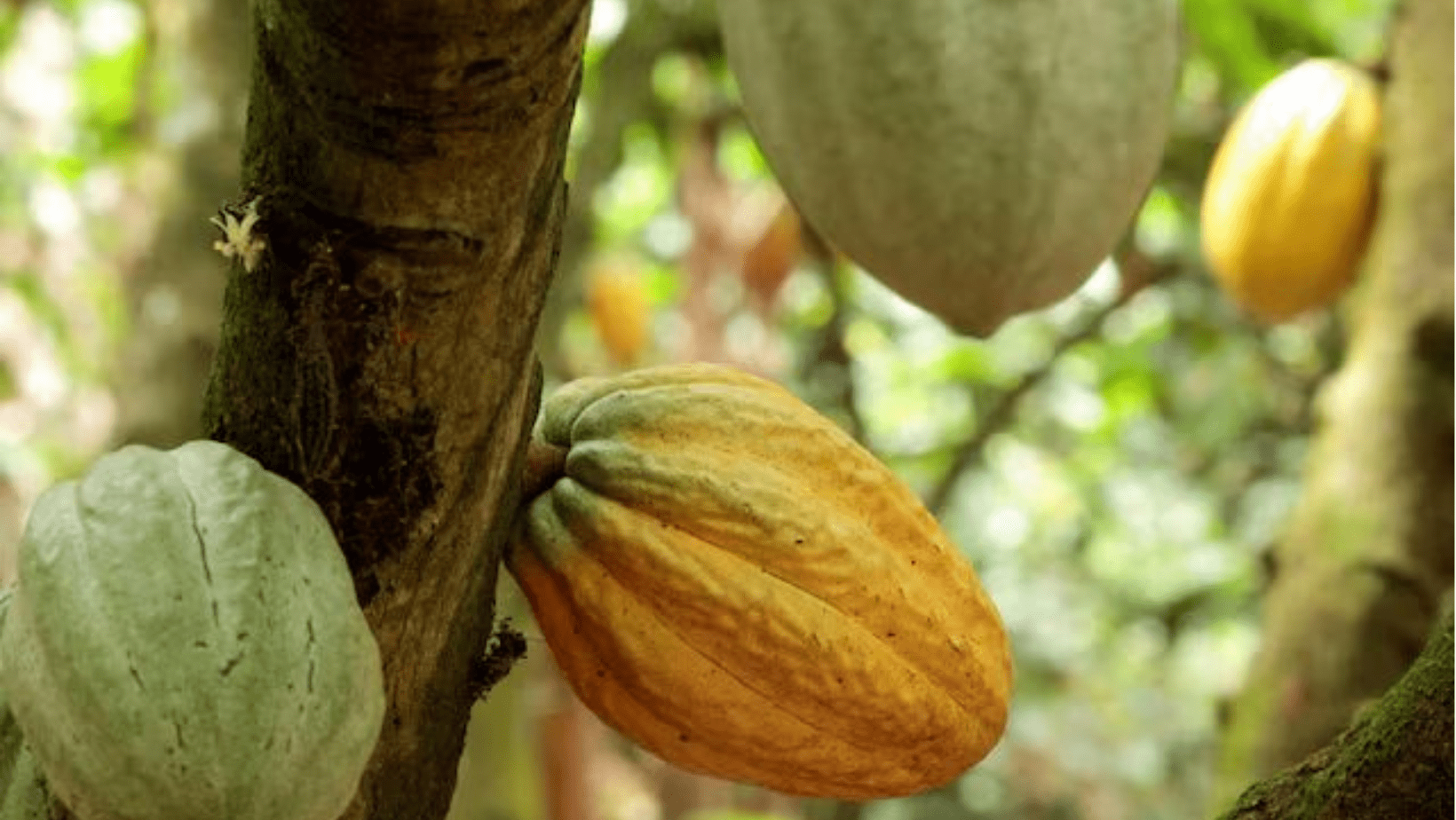
ABIDJAN, Côte d’Ivoire May 13, 2026 Côte d’Ivoire’s Coffee and Cocoa Council (CCC) is preparing to send officials to the country’s centre-east region following protests by cocoa farmers over delayed payments and unsold cocoa stocks.
The delegation is expected to visit M’Batto, where farmers recently staged demonstrations over payments for cocoa they say they had already sold.
The protests have highlighted growing concerns among farmers and cooperatives about delays in the purchase and payment of cocoa during the main harvest season.
Farmers say some cocoa deliveries made between October and March remain unpaid, while unsold beans are accumulating in some producing areas.
The situation has also raised concerns about cocoa quality as farmers struggle to find buyers for beans that risk deteriorating in storage.
Cocoa Officials to Visit M’Batto After Farmer Protests
The CCC’s planned visit to M’Batto comes after tensions escalated between cocoa farmers and authorities.
Police recently used tear gas to disperse farmers who had blocked roads while demanding payment for cocoa they said had already been sold.
The protests were driven by delays in receiving payments for cocoa delivered during the main crop season.
For farmers who depend heavily on cocoa income, delayed payments can create immediate financial difficulties.
Farmers and cooperatives said some producers have been waiting for payment for months.
The planned government delegation is expected to assess the situation and engage with affected farmers and local stakeholders.
Farmers Say Cocoa Deliveries Remain Unpaid
Farmers and cooperatives in several cocoa-producing areas say they have not received payment for cocoa sold between October 2025 and March 2026.
The delays have occurred despite a government-backed programme intended to purchase cocoa stocks that remained unsold after market conditions changed.
The Coffee and Cocoa Council and Côte d’Ivoire’s agriculture ministry had not publicly commented on the specific payment claims at the time of the report.
The allegations have nevertheless increased concerns about liquidity within the cocoa purchasing system.
For farmers, payment delays can affect their ability to finance household expenses and prepare farms for subsequent production cycles.
Cocoa Stocks Accumulated After Global Prices Fell
The current difficulties began after cocoa stocks accumulated during November and December, when international cocoa prices fell below the farmgate price established by Côte d’Ivoire’s regulator.
The difference between international market prices and the regulated domestic purchasing price contributed to difficulties in moving cocoa stocks through the normal buying system.
When buyers cannot purchase cocoa profitably at the official farmgate price, unsold stocks can accumulate at farms and cooperatives.
This creates additional pressure on producers because cocoa beans require appropriate storage conditions and can deteriorate if they remain unsold for extended periods.
Côte d’Ivoire Sets Cocoa Farmgate Prices Twice a Year
Côte d’Ivoire’s cocoa pricing system is administered through the Coffee and Cocoa Council.
The country adjusts cocoa farmgate prices twice a year.
The farmgate price is important because it establishes the amount farmers are officially expected to receive for their cocoa.
The system is designed to provide producers with greater price visibility and protect them from some of the volatility associated with international cocoa markets.
However, the current situation illustrates the challenges that can emerge when international market prices fall below the regulated domestic price.
Daloa Cooperative Still Holds 150 Tonnes of Cocoa
The difficulties are not limited to M’Batto.
In Daloa, a major cocoa-producing area in central-western Côte d’Ivoire, a cooperative representing more than 300 farmers said it was still holding approximately 150 metric tonnes of unsold cocoa.
The cooperative said the delays have placed significant financial pressure on its members.
According to the group, some farmers are struggling to afford basic medical care because they have not received payment for their cocoa.
The situation demonstrates how delays in cocoa sales can affect household finances in farming communities.
For producers whose primary income comes from cocoa, prolonged delays can make it difficult to meet everyday expenses.
Farmers in Soubre and Duekoue Report Lower Sales Prices
Farmers in other cocoa-producing regions have also reported difficulties accessing the official farmgate price.
Producers in Soubre and Duekoue said they had been forced to sell main-crop cocoa below the official rate after struggling to find buyers.
The official price was reported at 2,800 CFA francs per kilogram.
Some farmers said they accepted prices as low as 1,300 CFA francs per kilogram to avoid losing their crop as the beans began to deteriorate.
The large difference between the official price and the prices reportedly received by some farmers highlights the challenges created when cocoa cannot be sold through the normal regulated purchasing channels.
Cocoa Quality Becomes a Concern as Stocks Remain Unsold
Delayed sales create a second problem for farmers beyond the issue of payment.
Cocoa beans can lose quality when they are stored for extended periods under unsuitable conditions.
Farmers therefore face pressure to sell their crop even when market conditions are unfavourable.
In the current situation, some producers reportedly accepted lower prices because they feared their cocoa would spoil before a buyer could be found.
This creates a difficult choice for farmers:
Sell below the official price or risk losing the value of the cocoa entirely.
Government Intervention Aims to Clear Unsold Cocoa Stocks
The government-backed programme to purchase unsold cocoa stocks is intended to address the accumulation of beans among farmers and cooperatives.
The intervention is particularly important in areas where private buyers have been reluctant or unable to purchase cocoa at the official farmgate price.
If successful, the programme could help clear accumulated stocks and provide farmers with delayed payments.
However, the scale of the problem remains unclear.
A cocoa industry platform confirmed that it was aware of unsold cocoa stocks but said it could not estimate the total volume held by farmers and cooperatives.
Cocoa Industry Platform Confirms Payment Problems
A cocoa industry platform acknowledged that some farmers have delivered cocoa but remain unpaid despite government intervention efforts.
The acknowledgement adds to concerns about the functioning of the cocoa purchasing system during the current season.
However, without a confirmed estimate of total unpaid deliveries or unsold stocks, the overall financial scale of the problem remains uncertain.
The planned CCC delegation could provide more information about the situation in affected communities.
Why Cocoa Payments Matter to Côte d’Ivoire’s Farmers
Cocoa is a major agricultural commodity in Côte d’Ivoire and an important source of income for farming households.
When payments are delayed, farmers may have limited access to cash even though they have already completed the production cycle.
This can make it difficult for producers to maintain farms or prepare for the next harvest.
Côte d’Ivoire’s Cocoa Industry Faces Market Challenges
The payment dispute comes against a backdrop of significant volatility in global cocoa markets.
International cocoa prices can change rapidly because of supply conditions, weather, inventories, demand and market expectations.
Côte d’Ivoire’s regulated farmgate pricing system is intended to provide greater stability for farmers.
However, large differences between international prices and domestic regulated prices can create difficulties for buyers operating within the local market.
The current accumulation of unsold stocks illustrates one of the challenges associated with managing a regulated agricultural commodity market during periods of sharp price changes.
Cocoa Cooperatives Play an Important Role
Farmer cooperatives are important participants in Côte d’Ivoire’s cocoa supply chain.
They can help farmers collectively market cocoa, access services and interact with buyers and industry institutions.
In the current situation, cooperatives are also among the organisations holding unsold cocoa stocks.
The Daloa cooperative’s reported stock of 150 tonnes demonstrates the scale at which unsold cocoa can accumulate at the community level.
Cooperatives can therefore provide important information about the condition of cocoa markets at the farm and local level.
The Farmgate Price Gap Creates Pressure for Farmers
The reported difference between the official 2,800 CFA francs per kilogram farmgate price and the lower prices some farmers say they accepted highlights the economic pressure facing producers.
Farmers who cannot access official buyers may have to make decisions based on the condition of their crop and the availability of alternative buyers.
Selling at 1,300 CFA francs per kilogram represents a substantial reduction from the official rate.
However, farmers may still choose to sell at a lower price if they believe waiting longer could result in further deterioration or complete loss of the crop.
Unpaid Cocoa Sales Could Affect Future Production
The current payment difficulties could have implications beyond the immediate season.
Farmers need income from cocoa sales to maintain their farms and purchase agricultural inputs.
Ensuring timely payment is therefore relevant not only to farmer welfare but also to the long-term health of the cocoa sector.
Key Figures in Côte d’Ivoire’s Cocoa Payment Dispute
| Indicator | Reported figure |
| Official farmgate price | 2,800 CFA francs/kg |
| Lowest price reported by some farmers | 1,300 CFA francs/kg |
| Daloa cooperative membership | More than 300 farmers |
| Unsold cocoa held by Daloa cooperative | About 150 metric tonnes |
| Main affected sales period | October–March |
| Farmgate price adjustments | Twice annually |
| Main government institution involved | Coffee and Cocoa Council (CCC) |
What the CCC’s Intervention Could Mean for Farmers
The planned CCC delegation to M’Batto could provide an opportunity for authorities to assess the reasons behind the payment delays and unsold stocks.
The response could determine how quickly affected farmers receive payment and how accumulated cocoa stocks are cleared.
Côte d’Ivoire’s Cocoa Sector Faces a Balancing Challenge
The situation illustrates the difficult balance between maintaining a guaranteed farmgate price and ensuring that cocoa continues to move through the domestic purchasing system.
A higher regulated farmgate price can provide stronger income protection for farmers when market conditions support it.
However, if international prices fall substantially below the domestic price, buyers may face challenges purchasing cocoa at the official rate.
This can contribute to stock accumulation and liquidity problems if alternative mechanisms are not available.
Outlook for Côte d’Ivoire’s Cocoa Farmers
The planned deployment of CCC officials to M’Batto signals an effort to address growing concerns among cocoa farmers about unpaid sales and deteriorating stocks.
The situation remains fluid, with farmers and cooperatives reporting delayed payments in several producing areas.
The government’s programme to purchase unsold stocks could help relieve some of the pressure if it succeeds in clearing accumulated cocoa and settling outstanding payments.
However, the longer-term challenge will be ensuring that Côte d’Ivoire’s cocoa purchasing and pricing system can continue functioning effectively when international cocoa prices move sharply below regulated domestic farmgate prices.
For farmers, the immediate priority remains receiving payment for cocoa already delivered and finding buyers for stocks that remain unsold.
For the wider cocoa industry, the episode highlights the importance of liquidity, reliable purchasing networks, transparent pricing and timely farmer payments in maintaining a stable agricultural value chain.