
– Business, Finance, Markets & Economic News
  • Home
  • Economy
  • Business
  • Markets
  • Finance
  • Credit Ratings
  • Policy
  • Tech
– Business, Finance, Markets & Economic News
  • Home
  • Economy
  • Business
  • Markets
  • Finance
  • Credit Ratings
  • Policy
  • Tech
Top News
CANEX WKND 2026: Afreximbank Pushes Financing and Market Access for Africa’s Creative Industries
World Bank’s IFC Says Africa Needs Deeper Financial Markets to Mobilize Private Capital at Scale
Dangote Explores Cross-Border Share Trading as Refinery IPO Attracts $4.77 Billion in Orders
OPay Suspends $304 Million US IPO Following Chinese Regulatory Inquiry
Egypt Raises $500 Million Through International Bond Market Reopening
Ramaphosa Sees Opportunity to Reset South Africa-US Relations After Midterm Elections
Ghana Inflation Rises for Third Consecutive Month to 5.5% in October 2026
Dangote Unveils $2.5 Billion Namibia Fuel Storage and Regional Pipeline Project
World Bank Flags Corruption Risks from Kenya’s Growing Taxes and Business Levies
Chinese Refiners Buy Up to 10 Million Barrels of West African Crude for December Delivery
South Africa’s Grindrod Secures Transnet Rail Access to Transport Coal to Mozambique
World Bank Urges African Cities to Issue More Debt to Finance Urban Infrastructure
JPMorgan and HSBC Target New Business in $1.5 Trillion MDB Securitization Market
African Guarantee Fund Unlocks $7.4 Billion in SME Financing Across 44 African Countries
Senegal Parliament Rejects Revised Budget as $2.2 Billion IMF Deal Faces Uncertainty
SUBSCRIBE
– Business, Finance, Markets & Economic News
Subscribe
– Business, Finance, Markets & Economic News
  • Home
  • Economy
  • Business
  • Markets
  • Finance
  • Credit Ratings
  • Policy
  • Tech
Copyright 2026 - All Right Reserved
Home » Tech » IMF Says Africa’s AI Growth Depends on Reliable Electricity
Tech

IMF Says Africa’s AI Growth Depends on Reliable Electricity

by Oluebube Elechi July 24, 2026
written by Oluebube Elechi July 24, 2026
FacebookTwitterLinkedinEmail
90

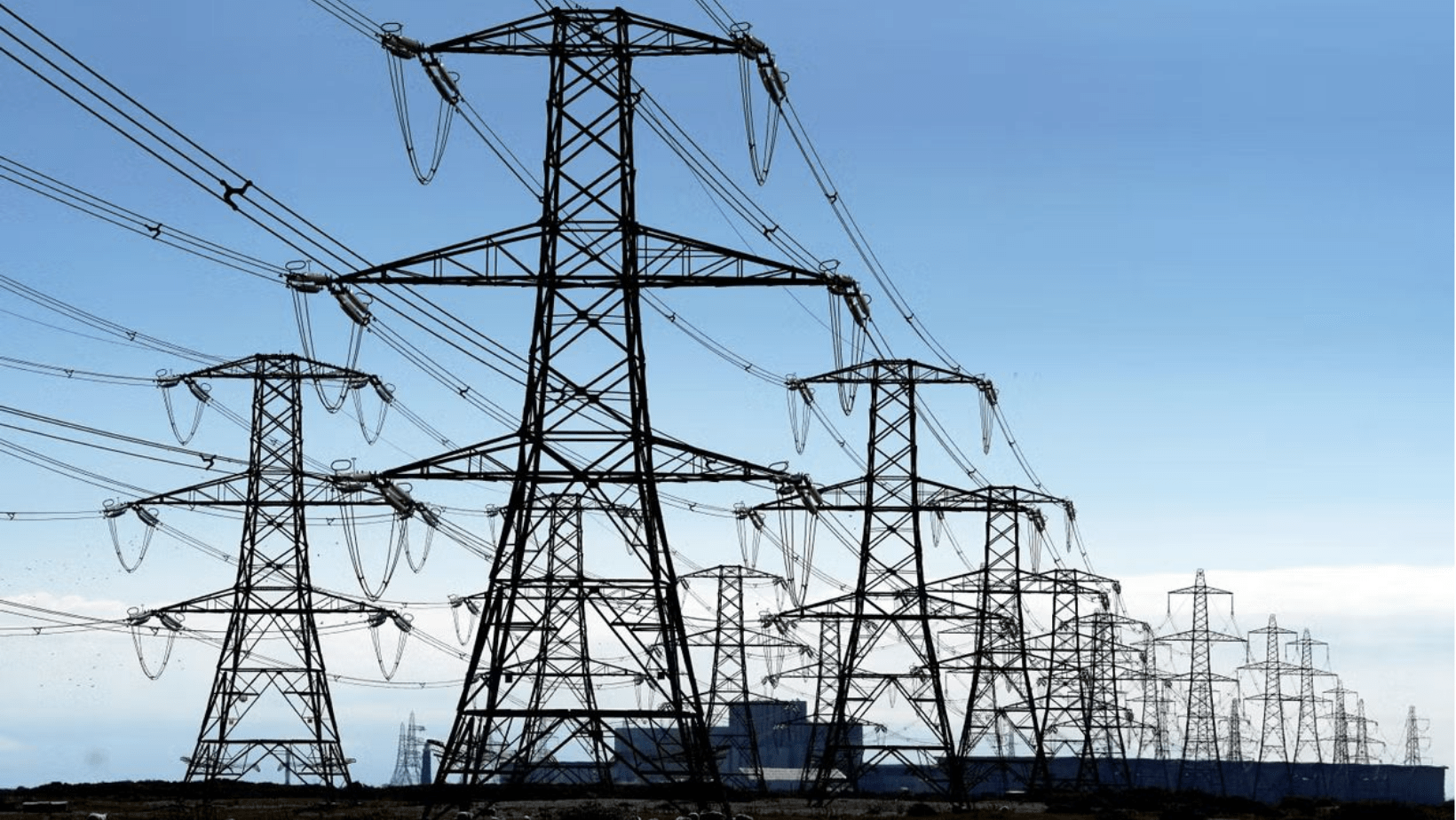
NAIROBI, July 24 – Africa’s ambitions to become a major player in artificial intelligence may depend less on advanced technology and more on something far more basic: reliable electricity.

That is the key message from the International Monetary Fund (IMF), which says sub-Saharan Africa risks missing out on much of AI’s economic potential unless governments close long-standing gaps in power supply, internet access and digital infrastructure.

In a report released on Tuesday, the IMF estimated that AI could increase the region’s economic output by as much as 4% over the next decade if countries invest in reliable electricity, stronger internet connectivity and digital skills. Without those investments, however, the expected economic boost drops sharply to just 0.2%.

The findings arrive as African governments race to position themselves in the global AI economy. Countries are introducing national AI strategies, while global technology firms are expanding their footprint on the continent. In May 2024, Microsoft and Abu Dhabi-based G42 announced plans for a $1 billion geothermal-powered data centre campus in Kenya. Around the same time, Cassava Technologies and Nvidia unveiled plans to deploy 12,000 AI chips across five African countries, signalling growing confidence in Africa’s AI future.

You Might Be Interested In
  • Ghana Awards 5G Spectrum License to Telecel as Government Ends Exclusive Wholesale Model

But the IMF warns that these investments alone will not be enough if millions of Africans remain unable to access the internet or keep their devices powered.

According to the report, only 38% of Africans used the internet in 2024, well below the global average of 68%. While mobile broadband networks now cover much of the continent, the high cost of smartphones and mobile data continues to prevent many people from getting online.

The report also highlights a growing imbalance in Africa’s digital infrastructure. Of the continent’s roughly 160 data centres, almost half are concentrated in South Africa, Nigeria and Kenya. While these countries are becoming regional technology hubs, many smaller economies remain dependent on computing infrastructure hosted outside their borders, limiting their ability to develop local AI ecosystems.

Rather than focusing on building large AI models from scratch, the IMF urged African governments to invest first in the foundations that would allow businesses and citizens to benefit from AI. These include expanding access to reliable electricity, improving internet connectivity, making digital devices more affordable and strengthening digital skills.

It also encouraged countries to adapt existing AI tools to local languages and industries and deepen regional cooperation to share infrastructure and build larger markets for AI services.

Read Next

  • Airtel Money Raises $703 Million in London IPO as Shares Edge Above Offer Price

    October 9, 2026
  • South Africa’s Current Account Returns to Surplus in Fourth Quarter of 2025

    March 12, 2026
  • Senegal Expects to Meet $480 Million March Eurobond Payment on Time

    February 18, 2026
  • Africa’s $90 Billion Debt Service Bill: Why 32 Countries Now Spend More on Debt Than Healthcare

    June 6, 2026
  • Morocco’s Diaspora Remittances Rise 11.3% to $10.5 Billion in First Nine Months of 2026

    November 2, 2026

Newsletter

Subscribe to our newsletter for trusted insights on Africa’s economies, markets, and business.

African Economy Inc. Logo

About Us

We are a business and economic intelligence platform delivering in-depth reporting, analysis, and insights on markets, companies and economic developments across Africa.

Our Company

  • AEI Intelligence
  • About
  • Editorial Standard
  • Partnerships
  • Advertise With Us
  • Careers
  • Ownership

News

  • Economy
  • Business
  • Markets
  • Finance
  • Credit Ratings
  • Policy
  • Tech

Useful Links

  • Privacy Policy
  • Terms of Use
  • Closed Captioning Policy
  • Accessibility Statement
  • Personal Information
  • Data Tracking
  • Register New Account

Subscribe Newsletter

Subscribe to our newsletter for trusted insights on Africa’s economies, markets, and business.

©2026 Majons Media Inc. All Rights Reserved.

Facebook Twitter Instagram Linkedin
Manage Consent
To provide the best experiences, we use technologies like cookies to store and/or access device information. Consenting to these technologies will allow us to process data such as browsing behavior or unique IDs on this site. Not consenting or withdrawing consent, may adversely affect certain features and functions.
Functional Always active
The technical storage or access is strictly necessary for the legitimate purpose of enabling the use of a specific service explicitly requested by the subscriber or user, or for the sole purpose of carrying out the transmission of a communication over an electronic communications network.
Preferences
The technical storage or access is necessary for the legitimate purpose of storing preferences that are not requested by the subscriber or user.
Statistics
The technical storage or access that is used exclusively for statistical purposes. The technical storage or access that is used exclusively for anonymous statistical purposes. Without a subpoena, voluntary compliance on the part of your Internet Service Provider, or additional records from a third party, information stored or retrieved for this purpose alone cannot usually be used to identify you.
Marketing
The technical storage or access is required to create user profiles to send advertising, or to track the user on a website or across several websites for similar marketing purposes.
  • Manage options
  • Manage services
  • Manage {vendor_count} vendors
  • Read more about these purposes
View preferences
  • {title}
  • {title}
  • {title}
– Business, Finance, Markets & Economic News
  • Economy
  • Business
  • Markets
  • Banking & Finance
  • Energy
  • Tech
  • Policy
  • African Economy Inc.