
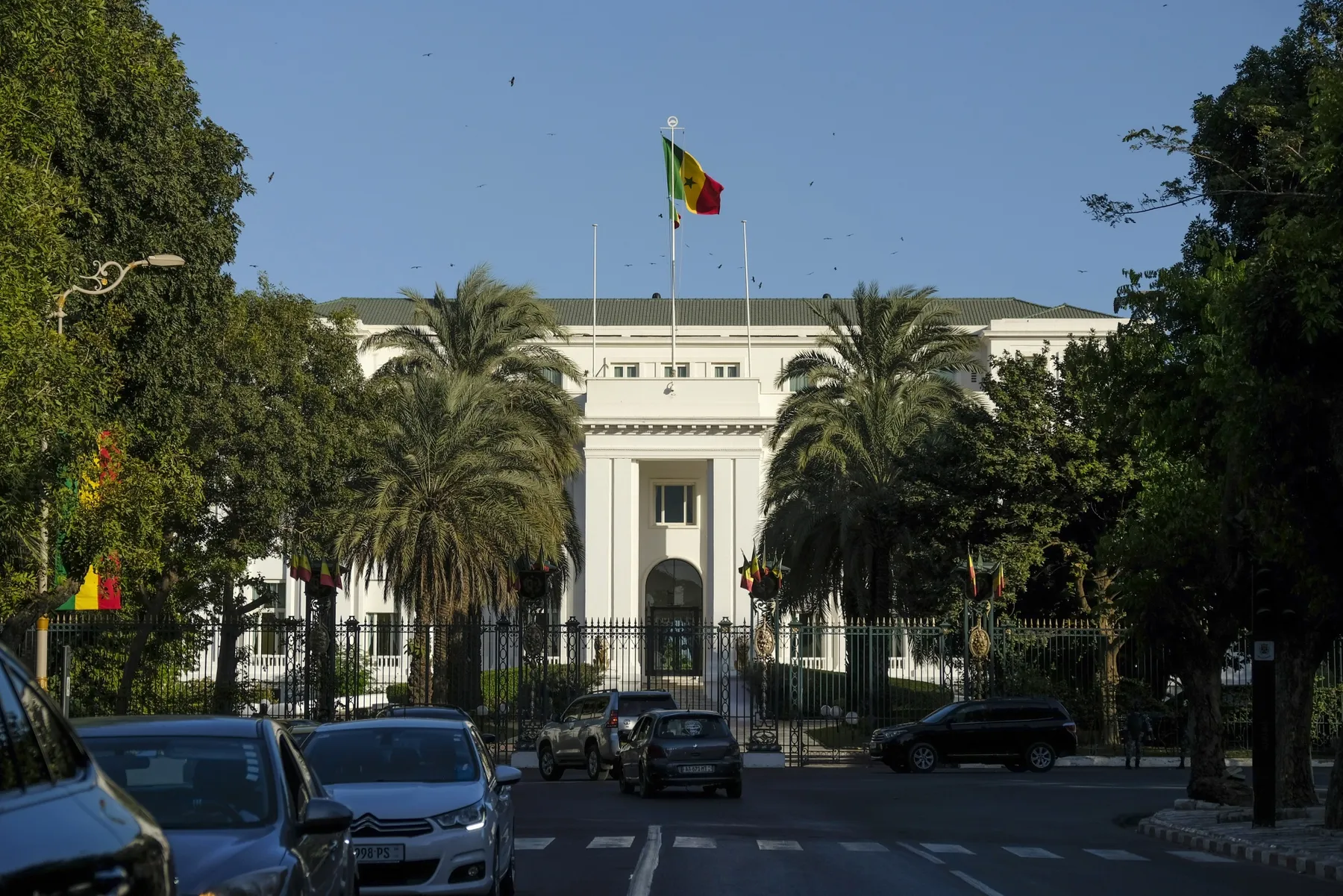
DAKAR, June 23 – Senegal has indicated it may be willing to restructure its public debt, marking a significant shift in its position as negotiations continue with the International Monetary Fund over a new financial support programme.
Speaking on state television, Industry and Trade Minister Serigne Gueye Diop said the government was approaching discussions with the IMF pragmatically rather than ideologically.
“If the solution lies in restructuring, the government is ready to do it,” Diop said.
The comments represent the clearest indication yet that Senegal’s government is prepared to reconsider its long-standing opposition to debt restructuring.
The country has faced mounting fiscal challenges since 2024, when authorities uncovered billions of dollars in previously misreported public debt accumulated under the former administration.
Following the revelation, the IMF suspended Senegal’s previous lending programme while discussions began on a new financing arrangement aimed at restoring fiscal sustainability and strengthening public finances.
An IMF mission concluded discussions in Dakar last week, with the Fund expected to release its assessment following the visit.
Until now, Senegalese authorities had consistently resisted calls for debt restructuring, despite many investors viewing it as a necessary step toward restoring debt sustainability.
The policy stance has shifted following recent political developments, including the dismissal of former Prime Minister Ousmane Sonko, who had previously described debt restructuring as a “disgrace.”
According to sources familiar with the negotiations, domestic political considerations had remained a major obstacle to accepting restructuring proposals ahead of the latest IMF discussions.
The outcome of the negotiations is expected to play a critical role in determining Senegal’s future access to international financing and investor confidence.
Securing a new IMF-supported programme would provide an important policy anchor for economic reforms while helping the country address rising financing needs and stabilize public debt over the medium term.
