
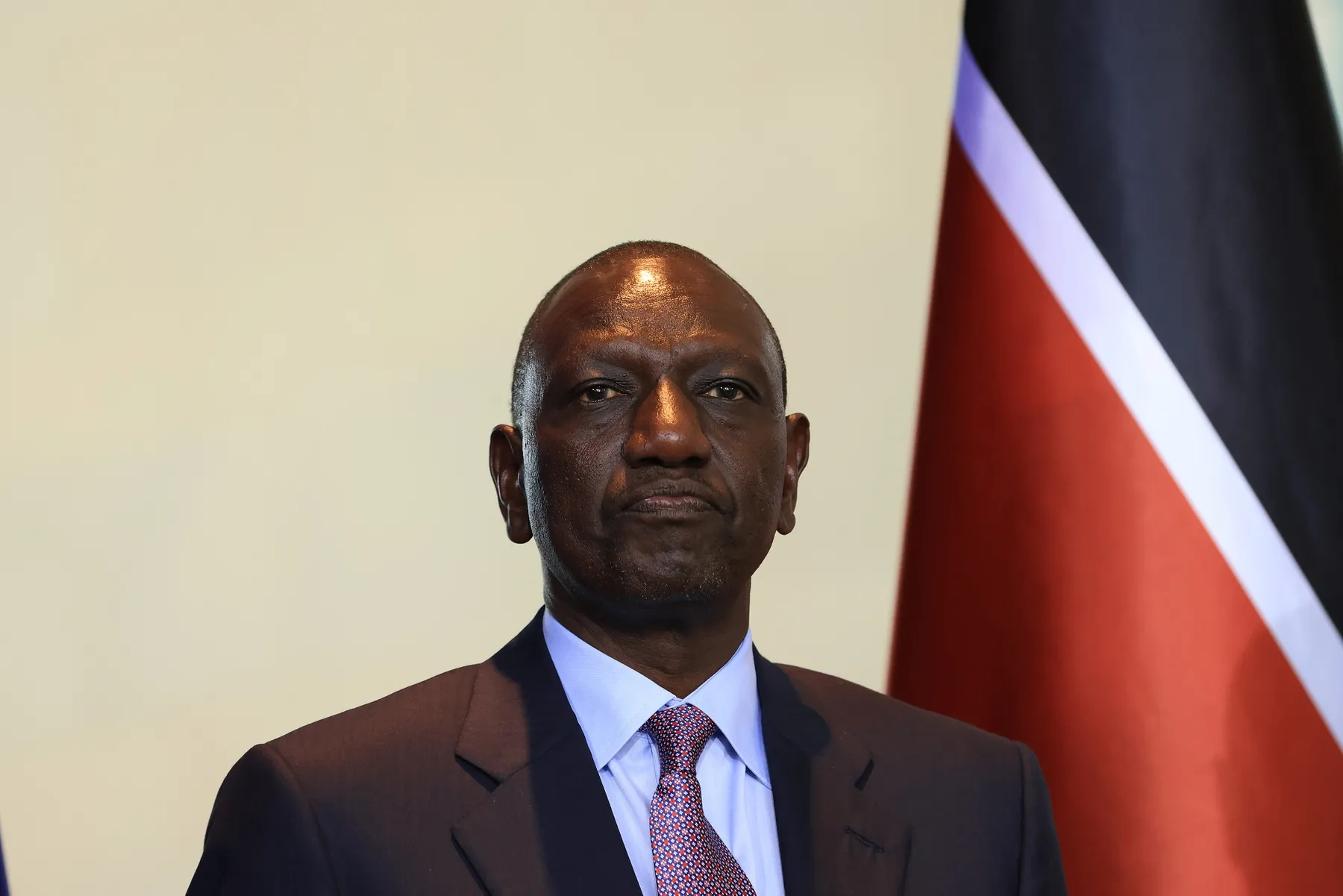
PARIS, June 18 – Kenya is close to concluding a critical minerals agreement with the United States that would prioritize domestic processing of strategic resources, marking another step in Africa’s broader push to capture more value from its natural wealth.
Speaking on the sidelines of the G7 Summit, Kenyan President William Ruto said negotiations with the United States were at an advanced stage and could be finalized soon.
The proposed agreement would cover rare earth elements and other strategic minerals essential to the global energy transition and advanced technology industries.
According to Ruto, both countries have agreed that minerals covered under the partnership should be processed within Kenya rather than exported in raw form.
“We have agreed that the minerals will be processed in Kenya,” Ruto said following discussions with G7 leaders, including U.S. President Donald Trump.
The agreement reflects a growing shift across Africa toward local beneficiation and value addition as governments seek to generate greater economic returns from mineral resources.
Countries including the Democratic Republic of the Congo, Zimbabwe and Mozambique have recently introduced policies aimed at expanding domestic processing capacity and limiting exports of raw minerals.
Kenya possesses significant untapped deposits of rare earth minerals, niobium, lithium, graphite, copper and nickel, resources that are increasingly important for electric vehicles, renewable energy systems, battery production and advanced manufacturing.
The discussions come amid intensifying global competition for access to critical minerals, particularly between Western economies and China.
G7 leaders recently agreed to strengthen cooperation on securing critical mineral supply chains and reducing dependence on Chinese processing and refining capacity.
Ruto said Africa’s future economic strategy must move beyond the traditional model of exporting raw materials while importing finished products.
“These natural resources can no longer be exported and processed elsewhere. They have to be processed in-country and in-continent. We have to create value out of them,” he said.
The Kenyan president also called for a broader reset in relations between Africa and Western nations, arguing that future partnerships should focus on investment, industrial development and job creation rather than aid.
“We are going to reject any relationships that are based on extraction of our natural resources,” Ruto said.
Beyond minerals, Ruto urged G7 countries to support reforms to the global financial system that would make it easier for African countries to access capital.
He argued that Africa is not constrained by a shortage of capital but by limited mechanisms for mobilizing investment and reducing financing costs.
According to Ruto, African pension funds, insurance assets and reserves collectively hold trillions of dollars that could be deployed more effectively if supported by stronger guarantee and risk-sharing mechanisms.
He also welcomed growing support for African financial institutions, including African Trade & Investment Development Insurance, which he said could play an important role in lowering investment risks and unlocking capital flows across the continent.
The proposed minerals agreement underscores Kenya’s ambition to position itself as a regional hub for mineral processing and industrial development while ensuring that more of the economic benefits generated from strategic resources remain within Africa.
